
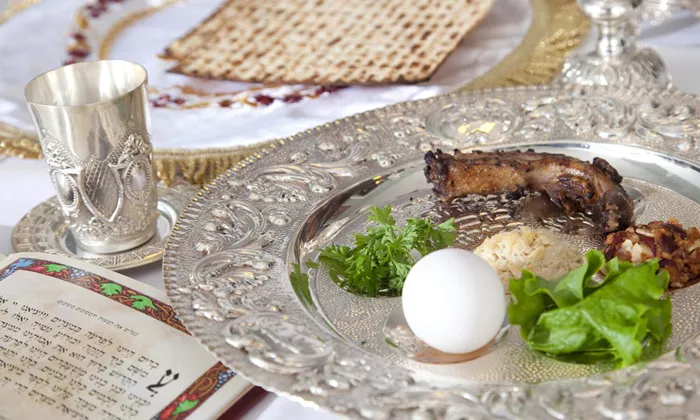
Understanding Jewish Easter requires understanding that Jewish Easter is commonly known as Passover. Passover is one of the most important holidays in the Jewish calendar. It commemorates the Exodus of the Israelites from slavery in Egypt. This event is central to Jewish history and faith. Unlike Christian Easter, which celebrates the resurrection of Jesus, Jewish Easter focuses on freedom, history, and tradition.
Passover is celebrated with various rituals, meals, and prayers. It also involves reading from the Haggadah, a special text that tells the story of the Exodus. Knowing when Jewish Easter occurs is essential for both religious observance and cultural understanding. The date of Jewish Easter changes each year because it follows the Jewish lunar calendar rather than the Gregorian calendar.
The History of Passover
Passover origins trace back over three thousand years. According to the Torah, God commanded Moses to lead the Israelites out of Egypt. This story includes ten plagues that fell upon Egypt. The last plague involved the death of the firstborn. To protect their children, Israelites marked their doors with lamb’s blood. This event is where the name Passover comes from — God “passed over” the houses marked with blood.
Passover became a yearly remembrance. It reminds Jewish people of their ancestors’ suffering and liberation. Over time, traditions and rituals developed. Many families continue to observe these traditions to connect with their heritage. The Seder meal, which is central to Passover, is filled with symbolism. Each item on the Seder plate represents an element of the Exodus story.
The Jewish Calendar and Passover
Jewish Easter follows the lunar calendar. The Jewish calendar is based on the cycles of the moon, which is different from the solar-based Gregorian calendar. This is why Passover does not have a fixed date on the Gregorian calendar. Instead, it falls on the 15th day of the Hebrew month of Nisan.
The Hebrew month of Nisan usually corresponds to March or April in the Gregorian calendar. However, because the Jewish calendar has leap months to keep it in line with the seasons, the exact date of Passover can vary. Understanding the Jewish calendar helps explain why the date changes every year.
How Passover Dates Are Calculated
Calculation rules for Passover are specific. Jewish months begin with the new moon. Nisan is the first month of the Jewish religious year. Passover begins on the 15th of Nisan, which is the night of the full moon.
The holiday lasts seven days in Israel and eight days in the diaspora. This variation is due to historical reasons related to calendar calculations. The first and last days are considered the most sacred. They are observed with special prayers and restrictions. Other days, called intermediate days or Chol Hamoed, allow some work but still maintain ritual observance.
Significance of the Passover Seder
The Seder meal is central to Jewish Easter. It is held on the first night in Israel and the first two nights outside Israel. Families gather to read the Haggadah. This text recounts the Exodus story and explains the meaning of the rituals.
During the Seder, participants eat symbolic foods. These include matzah, bitter herbs, and charoset. Matzah represents the unleavened bread eaten during the Exodus. Bitter herbs symbolize the bitterness of slavery. Charoset, a mixture of fruits and nuts, represents the mortar used by the Israelites in Egypt.
The Seder is also a time for discussion. Children are encouraged to ask questions about the story and the rituals. This interaction ensures the story of liberation is passed down through generations.
Customs and Traditions
Passover customs vary among Jewish communities. One common practice is the removal of chametz. Chametz includes leavened foods such as bread, pasta, and certain grains. Homes are cleaned thoroughly to remove any chametz. This symbolizes purity and separation from slavery.
Another tradition is special prayers in the synagogue. Many Jewish families attend services during Passover. Songs, blessings, and readings emphasize freedom and faith. Some families also hold festive meals with family and friends. These meals reinforce community bonds and cultural identity.
Passover Symbols and Their Meanings
Symbols play a crucial role in Passover celebrations. Each element represents part of the Exodus story or Jewish values. Matzah, for example, reminds people of the haste in which the Israelites left Egypt. Bitter herbs remind them of suffering and hardship. Wine is used to represent joy and redemption.
The Seder plate also contains a roasted lamb bone, representing the Passover sacrifice. A hard-boiled egg symbolizes the cycle of life and rebirth. Salt water is used to remember the tears shed by the enslaved Israelites. These symbols help participants remember the history while engaging in meaningful rituals.
Passover Around the World
Global observance of Passover varies. In Israel, it is a national holiday. Schools, businesses, and public services observe the holiday. Special prayers and family meals mark the celebration.
In the diaspora, communities adapt the celebration to local contexts. Some families follow strict dietary laws, while others focus more on storytelling and symbolism. Passover is a time for Jewish communities to unite, maintain traditions, and educate younger generations about their history.
Passover and Modern Life
Observing Passover today often balances tradition and modern life. Some families buy kosher-for-Passover products. Others prepare traditional meals at home. Technology allows families to read the Haggadah online or watch virtual Seders.
Even with modern adaptations, the core values of freedom, faith, and family remain central. Passover continues to be a time for reflection, gratitude, and cultural preservation.
Common Questions About Jewish Easter
When exactly does Passover start? As mentioned, it begins on the 15th of Nisan. The evening marks the start of the holiday because Jewish days begin at sunset.
How long does Passover last? In Israel, it lasts seven days. Outside Israel, it is traditionally observed for eight days.
Is Passover related to Christian Easter? Yes, historically. The Last Supper is believed to have been a Passover meal. Christian Easter follows shortly after Passover in the spring. However, the two holidays have different meanings and practices.
Conclusion
Jewish Easter, known as Passover, is a deeply significant holiday with historical, religious, and cultural importance. It commemorates the liberation of the Israelites from Egypt and emphasizes freedom, faith, and family. Passover follows the Jewish lunar calendar, beginning on the 15th of Nisan, usually in March or April. The holiday is observed through rituals, prayers, symbolic foods, and the Seder meal. Understanding Passover helps both Jews and non-Jews appreciate the depth of Jewish history and tradition. It is a time for reflection, celebration, and passing knowledge to future generations.
Related topics: