
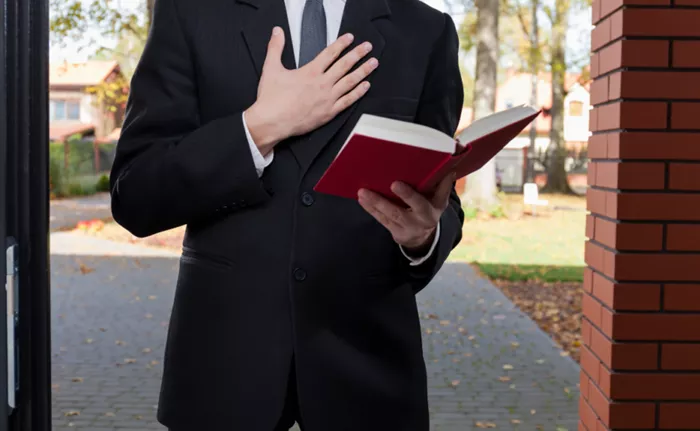
Easter is one of the most widely celebrated Christian festivals in the world. It marks the resurrection of Jesus Christ from the dead, an event central to Christian belief. Many Christian denominations celebrate Easter with church services, family gatherings, feasts, and symbolic traditions such as Easter eggs and the Easter bunny. However, not all Christian groups observe Easter in the same way, or at all. One such group is Jehovah’s Witnesses, a religious community known for their strict adherence to biblical teachings and unique interpretations of Scripture. In this article, we will explore whether Jehovah’s Witnesses celebrate Easter, the reasons behind their practices, and how their beliefs influence their approach to religious holidays.
Who Are Jehovah’s Witnesses?
Jehovah’s Witnesses are a Christian denomination that emerged in the late 19th century in the United States. They are formally known as members of the Watch Tower Bible and Tract Society. The group is best known for its global evangelism, door-to-door ministry, and strong emphasis on Bible study. Jehovah’s Witnesses seek to live in strict accordance with biblical teachings, often distinguishing themselves from mainstream Christian practices. Their beliefs influence various aspects of life, including celebrations, holidays, and cultural observances.
Understanding Easter and Its Traditions
Easter is traditionally observed by Christians to celebrate Jesus Christ’s resurrection, which is believed to have occurred on the third day after his crucifixion. The holiday is often associated with the following elements:
Religious Observances
Many Christians attend special church services during Holy Week, particularly on Good Friday and Easter Sunday. These services commemorate the crucifixion and resurrection of Jesus.
Symbolic Traditions
Easter customs include the use of Easter eggs, which symbolize new life, and the Easter bunny, which has roots in pagan springtime fertility symbols. These elements are often incorporated into family celebrations and community events.
Commercial Aspects
Over time, Easter has also taken on significant commercial elements. Candy, decorations, and holiday-themed merchandise contribute to a widespread cultural celebration that extends beyond strictly religious observance.
Jehovah’s Witnesses’ Beliefs About Holidays
Jehovah’s Witnesses approach religious holidays with caution. They do not observe holidays that they believe have pagan origins or are not explicitly endorsed in the Bible. The group carefully evaluates each celebration based on scriptural principles and aims to avoid practices they consider inconsistent with their faith.
View on Pagan Origins
Jehovah’s Witnesses study the historical origins of holidays. Easter, in particular, is seen as having connections to ancient pagan festivals celebrating spring and fertility. Elements such as the Easter bunny and eggs are often cited as non-biblical traditions with roots in pre-Christian paganism.
Scriptural Interpretation
Jehovah’s Witnesses rely heavily on the Bible to guide their practices. They emphasize that Jesus Christ did not command his followers to celebrate his resurrection annually. Instead, they point to the observance of the Memorial of Christ’s Death, which is celebrated once a year in accordance with the date of Nisan 14 in the Jewish calendar.
Why Jehovah’s Witnesses Do Not Celebrate Easter
Based on their beliefs, Jehovah’s Witnesses do not participate in Easter celebrations. There are several reasons for this decision:
Focus on Christ’s Death Rather Than Resurrection
Jehovah’s Witnesses place the highest importance on the death of Jesus Christ rather than the resurrection. They commemorate the Memorial of Christ’s Death annually, which aligns with the timing of the Jewish Passover. This event serves as the central observance of Jesus’ sacrifice, rather than Easter, which focuses on resurrection celebrations.
Avoidance of Non-Biblical Practices
Many Easter traditions, including the use of bunnies, eggs, and other symbols, are not mentioned in the Bible. Jehovah’s Witnesses avoid these practices because they believe they do not reflect true Christian worship.
Distinguishing From Worldly Customs
Jehovah’s Witnesses aim to separate themselves from what they consider worldly customs. Participating in widely commercialized or culturally popular holidays, such as Easter, is seen as inconsistent with their values of maintaining spiritual purity and avoiding secular influence.
How Jehovah’s Witnesses Observe Important Religious Dates
While they do not celebrate Easter, Jehovah’s Witnesses have their own religious observances that are central to their faith.
The Memorial of Christ’s Death
The Memorial of Christ’s Death, also called the Lord’s Evening Meal, is the most important event for Jehovah’s Witnesses. It is held annually on the date corresponding to Nisan 14 on the Jewish calendar, commemorating the death of Jesus. This observance is considered a time of reflection and spiritual focus rather than festivity. Attendance is open to all members and sometimes guests, but it is conducted with solemnity rather than celebration.
Other Annual Observances
Jehovah’s Witnesses also mark other events as part of their religious calendar, including conventions, assemblies, and special Bible study gatherings. However, these are focused on education, worship, and community rather than traditional holiday celebration.
Common Misunderstandings About Jehovah’s Witnesses and Easter
Many people mistakenly assume that Jehovah’s Witnesses celebrate Easter in a subdued form. In reality, they actively avoid it, along with other holidays like Christmas and birthdays, due to their perceived pagan origins and lack of biblical endorsement.
Respect for Other Traditions
While Jehovah’s Witnesses do not observe Easter, they maintain respect for those who do. Their avoidance of the holiday is based on personal religious conviction rather than criticism of others’ practices.
Community and Family Life
Jehovah’s Witnesses emphasize family and community, but their gatherings are not tied to holidays like Easter. Instead, social interaction occurs around meetings, educational programs, and religious events.
Global Perspective on Jehovah’s Witnesses and Holidays
Jehovah’s Witnesses are present worldwide, and their approach to holidays is consistent across cultures. Regardless of regional customs, they uniformly avoid celebrations that have non-biblical roots. This consistency reinforces their commitment to scriptural principles and distinguishes them from other Christian groups.
International Unity
The uniformity of practice among Jehovah’s Witnesses promotes international unity. Members around the world observe the same religious calendar and abstain from holidays like Easter, Christmas, and national festivals that do not align with their beliefs.
Impact on Society
Although Jehovah’s Witnesses are a relatively small religious group, their distinct practices draw curiosity and sometimes misunderstanding from broader society. Their avoidance of holidays such as Easter is often explained through educational outreach and public literature produced by the organization.
Conclusion
In summary, Jehovah’s Witnesses do not celebrate Easter. Their beliefs emphasize adherence to biblical instruction, avoidance of pagan-influenced traditions, and focus on the Memorial of Christ’s Death as their primary religious observance. While they respect the choices of others who celebrate Easter, their own practices are guided by a strict interpretation of Scripture. Understanding the perspective of Jehovah’s Witnesses helps clarify why they abstain from popular Christian holidays, reflecting a commitment to what they believe is faithful worship of God.
Related topics: