
The celebration of Easter is one of the most important events for Christians around the world. However, the way Easter is observed varies between different branches of Christianity. The Catholic Church and the Orthodox Church, both major Christian denominations, celebrate Easter at different times of the year and follow different traditions. This article explores the reasons behind these differences, shedding light on the history, calendar discrepancies, and theological nuances that shape the Easter celebrations in each tradition.
Introduction
Easter commemorates the resurrection of Jesus Christ, a central event in Christianity. Both the Catholic and Orthodox Churches celebrate this joyous occasion, but their methods of determining the date and observing the day differ significantly. Understanding why these differences exist requires delving into the history of the Christian Church and the evolution of the liturgical calendar.
The Calendar Differences
One of the primary reasons Catholic and Orthodox Easter do not fall on the same date is the difference in the calendars used to calculate the date of Easter. The Catholic Church follows the Gregorian calendar, while the Orthodox Church uses the Julian calendar.
The Gregorian Calendar
The Gregorian calendar was introduced by Pope Gregory XIII in 1582 to correct the inaccuracies of the Julian calendar, which had caused the date of the spring equinox to drift over time. The Gregorian calendar is now the most widely used civil calendar in the world and is also used by the Catholic Church to determine the date of Easter. According to this system, Easter is celebrated on the first Sunday after the first full moon following the vernal equinox, which occurs on or after March 21.
The Julian Calendar
The Orthodox Church continues to use the Julian calendar, which was introduced by Julius Caesar in 45 BC. This calendar is currently 13 days behind the Gregorian calendar, meaning that the dates of holidays and events, including Easter, are often different. The Orthodox Church also follows the same basic rules for determining the date of Easter, with the celebration taking place on the first Sunday after the first full moon following the vernal equinox, but because of the 13-day discrepancy between the two calendars, Orthodox Easter typically falls later than Catholic Easter.
Theological and Liturgical Differences
Aside from the calendar differences, there are also some theological and liturgical variations between the Catholic and Orthodox celebrations of Easter. These differences reflect the unique traditions and interpretations of each Church.
Liturgical Practices
The way Easter is celebrated in church services is another point of divergence. The Catholic Church celebrates Easter with a Vigil on Holy Saturday night, followed by the Easter Sunday Mass. The celebration begins in the dark, symbolizing the death of Christ, and gradually progresses into light to symbolize His resurrection. The Mass includes the singing of the Gloria and the Alleluia, and it is common for Catholics to participate in the Easter egg tradition, which symbolizes new life.
In contrast, the Orthodox Church celebrates Easter with a midnight service on Holy Saturday. This service includes a procession that begins in darkness and proceeds outside the church, symbolizing the journey of the disciples to the tomb. Once outside, the congregation chants, “Christ is risen,” and the door of the church is opened to signify the triumph of life over death. The service continues with the Divine Liturgy of Pascha, which is marked by the chanting of hymns, including the Paschal Troparion, “Christ is risen from the dead.”
Paschal Greeting
Another difference is in the Paschal greeting exchanged during Easter. In the Catholic Church, people often say “Happy Easter” or “Christ is risen,” but the traditional greeting in the Orthodox Church is “Christ is risen!” (“Christos anesti!”) to which the response is “Truly, He is risen!” (“Alithos anesti!”). This greeting is used during the entire Paschal season, which lasts for 40 days in the Orthodox Church.
Differences in the Easter Fast
The periods of fasting leading up to Easter also differ between the two traditions. The Catholic Church observes Lent, a 40-day period of fasting and penance that begins on Ash Wednesday and ends on Holy Saturday. During this time, Catholics are encouraged to give up certain foods, particularly meat, as a form of penance. The focus of Catholic Lent is on repentance and spiritual renewal.
In contrast, the Orthodox Church observes a stricter fasting period during Great Lent, which begins on Clean Monday (the Monday before Lent) and continues until Easter. The Orthodox fast involves abstaining from meat, dairy, and sometimes even fish, oil, and wine, depending on the day of the week. The fast is seen as a way to purify the body and soul in preparation for the Paschal celebration.
Cultural Differences in Easter Celebrations
Cultural practices surrounding Easter vary greatly between Catholic and Orthodox communities, reflecting their diverse traditions and customs. While both traditions celebrate Easter with joy, food, and family gatherings, the specific practices can be quite different.
Orthodox Easter Traditions
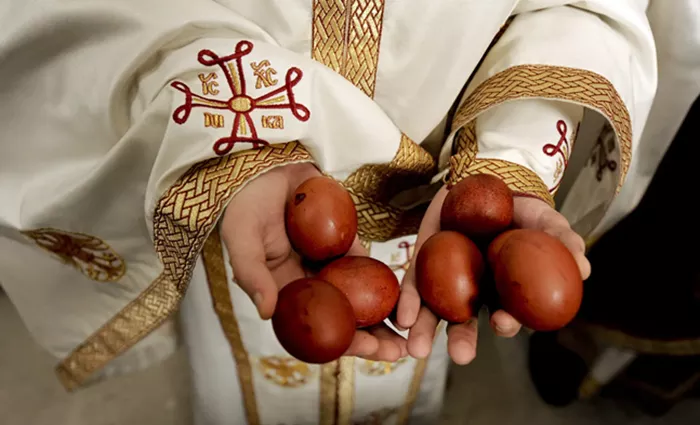
Orthodox Christians often begin their Easter celebrations with a midnight church service, followed by a meal of lamb, eggs, and special pastries. The Easter egg is an important symbol in the Orthodox tradition, representing the tomb of Christ and His resurrection. The Orthodox Easter egg is traditionally dyed red to symbolize the blood of Christ, and it is customary to crack the eggs with others in a friendly competition.
Catholic Easter Traditions
In Catholic communities, Easter is often celebrated with festive family meals, including a variety of dishes that vary by country. In Italy, for example, Easter may be celebrated with lamb, ricotta pies, and chocolate eggs. In the United States, many Catholics enjoy Easter brunch with eggs, ham, and pastries. The Easter egg hunt is also a popular tradition, particularly among children, and represents the joy of discovering new life.
Conclusion
In conclusion, the differences between Catholic and Orthodox Easter celebrations are rooted in both historical and theological factors. The use of different calendars, along with variations in liturgical practices, fasting traditions, and cultural customs, all contribute to the distinct ways in which each Church commemorates the resurrection of Jesus Christ. Despite these differences, both Catholic and Orthodox Christians share a common belief in the resurrection and the hope it brings, making Easter a time of profound joy and celebration for all believers.
Related topics: