
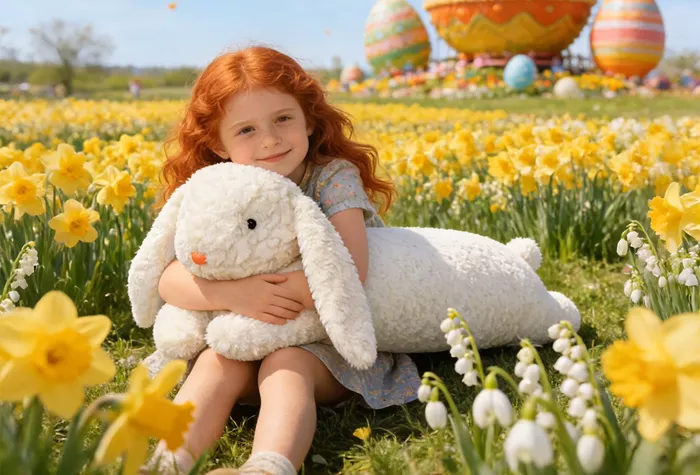
The Easter Bunny is one of the most iconic symbols of the Easter holiday. From chocolate eggs to colorful baskets, the figure of a rabbit delivering treats has delighted children for generations. However, as adults, many people begin to question the reality of the Easter Bunny. This article explores the history, cultural significance, and psychological aspects of the Easter Bunny, aiming to answer the question: is the Easter Bunny real for adults?
The Origins of the Easter Bunny
The Easter Bunny did not originate as a modern holiday figure. Its roots can be traced back to ancient pagan traditions, particularly in Europe. Rabbits and hares were symbols of fertility and rebirth due to their high reproductive rates. These animals were associated with springtime festivals that celebrated renewal and the cycles of nature.
The Role of Rabbits in Pagan Traditions
In pre-Christian Europe, rabbits were revered as symbols of life and new beginnings. The goddess Eostre, from whom Easter derives its name, was often associated with hares. The connection between rabbits and fertility festivals helped shape the eventual myth of the Easter Bunny.
From Pagan Roots to Christian Celebrations
As Christianity spread through Europe, many pagan customs were adapted into Christian holidays. The idea of a rabbit delivering eggs became intertwined with the celebration of Jesus Christ’s resurrection. Eggs themselves were symbolic of new life, making the rabbit a fitting companion to the tradition.
The Easter Bunny in Modern Culture
Today, the Easter Bunny is a familiar figure in Western culture, especially in the United States. The character is often depicted as a friendly rabbit delivering candy and gifts to children on Easter Sunday. But how did this myth become so ingrained in society?
The Influence of German Immigrants
German immigrants brought the tradition of the “Osterhase” or Easter Hare to America in the 1700s. Children would build nests for the hare to lay its colored eggs. This practice spread across the United States and evolved into the modern Easter Bunny celebration we see today.
Commercialization and Popular Media
The 20th century saw the Easter Bunny transformed into a commercial icon. Candy companies, greeting cards, and media productions popularized the image of a cheerful rabbit delivering eggs. For adults, this commercialization may contribute to skepticism about the Easter Bunny’s reality, but it also strengthens the cultural presence of the myth.
Psychological Perspectives on Belief
Belief in the Easter Bunny is often framed as a childhood experience, yet adults sometimes continue to engage with the myth in playful or nostalgic ways. Psychologists suggest that this reflects deeper human tendencies.
Nostalgia and Emotional Comfort
For adults, the Easter Bunny can evoke feelings of nostalgia and childhood innocence. Engaging with the myth can provide comfort and a sense of continuity. Even if one intellectually understands that the Easter Bunny is not real, the emotional experience of participating in the tradition can be meaningful.
Symbolism and Imagination
The Easter Bunny represents more than a literal rabbit. It embodies themes of renewal, generosity, and joy. Adults who embrace the symbolism, rather than the literal existence of the bunny, can find personal and cultural value in the tradition.
Debunking the Literal Myth
From a strictly factual perspective, the Easter Bunny as a literal entity does not exist. There is no evidence that a rabbit delivers candy or eggs to children. For adults, understanding this is part of growing up and reconciling childhood myths with reality.
The Role of Parents and Society
Parents and communities often perpetuate the Easter Bunny myth to foster imagination and fun during childhood. Learning the truth as an adult is a natural process, and many adults continue to celebrate the tradition in symbolic ways rather than literal belief.
Distinguishing Myth from Tradition
Adults can differentiate between believing in the Easter Bunny as a real creature and participating in the cultural celebration. This distinction allows adults to enjoy the festivities, share experiences with children, and maintain a sense of playfulness without requiring literal belief.
The Easter Bunny and Adult Traditions
Even as adults, many people continue to celebrate Easter and incorporate the Easter Bunny in creative ways. These activities often focus on family, fun, and nostalgia rather than literal belief.
Adult Easter Activities
Adults might participate in Easter egg hunts for charity, host themed parties, or exchange chocolate and gifts. These activities maintain the spirit of the holiday while acknowledging the symbolic nature of the Easter Bunny.
Psychological Benefits of Continued Participation
Engaging with the Easter Bunny myth as an adult can promote happiness, social bonding, and creativity. Embracing the story as a symbol rather than a literal truth allows adults to enjoy the psychological benefits without feeling deceived.
Cultural Variations of the Easter Bunny
The figure of the Easter Bunny is primarily Western, but other cultures have similar traditions. Understanding these variations can provide insight into why adults may question the reality of the Easter Bunny.
European Variations
In Germany, the Osterhase is a hare that lays eggs, while in Switzerland, children believe in the “Easter Cuckoo.” These variations demonstrate that the Easter Bunny is one interpretation of a broader human fascination with springtime symbols.
Global Interpretations
Some cultures emphasize eggs or springtime symbols without including a rabbit at all. For adults, this illustrates that the Easter Bunny is a cultural construct rather than a universal truth, reinforcing the idea that belief is optional and symbolic.
Philosophical Considerations
Adults often approach myths like the Easter Bunny from a philosophical standpoint. Questions about reality, imagination, and tradition can deepen our understanding of cultural practices.
The Nature of Belief
Belief in the Easter Bunny is a form of cultural participation rather than empirical knowledge. Adults can choose to engage with the myth for enjoyment, social connection, or symbolic meaning without requiring literal faith.
Balancing Skepticism and Tradition
Adults can maintain a balance between skepticism and tradition by acknowledging that the Easter Bunny is not real while still appreciating the cultural and emotional significance of the myth. This approach allows for rational thinking alongside joyful participation.
Conclusion
The question of whether the Easter Bunny is real for adults is not simply about factual accuracy. While the Easter Bunny does not exist as a literal creature, the myth continues to hold cultural, emotional, and symbolic value. Adults can participate in the tradition in ways that celebrate imagination, nostalgia, and social connection. Understanding the origins, history, and psychology behind the Easter Bunny allows adults to engage with the holiday thoughtfully and joyfully, preserving the spirit of Easter without requiring literal belief.
Related topics: