
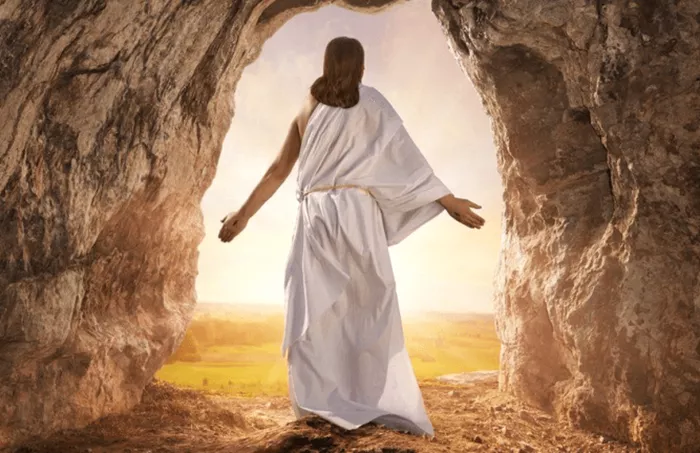
Easter is one of the most significant events in the Christian calendar. It marks a series of events in the life of Jesus Christ that are central to Christian belief. The story of Easter includes moments of suffering, death, and resurrection, which carry deep spiritual meaning. Understanding what happened to Jesus over Easter helps believers connect with their faith and reflect on themes of sacrifice, hope, and renewal.
The Context of Easter
To understand Easter, it is important to consider the historical and religious context. Jesus lived in the region of Judea over 2,000 years ago. He was known as a teacher, healer, and spiritual leader. His teachings attracted followers but also drew opposition from religious and political authorities. Easter takes place in the spring, during the Jewish festival of Passover, a time when many Jews gathered in Jerusalem. This timing is significant because it connects the story of Jesus with Jewish history and traditions.
The Last Supper
The Easter story begins with the Last Supper, which is believed to have occurred on the evening before Jesus was arrested. During this meal, Jesus shared bread and wine with his disciples. He instructed them to remember him through this act. Christians today celebrate this event as the basis for the sacrament of Communion. The Last Supper symbolizes Jesus’ teaching about love, service, and sacrifice.
The Arrest of Jesus
After the Last Supper, Jesus went to the Garden of Gethsemane to pray. There, he was betrayed by one of his disciples, Judas Iscariot. Roman soldiers and temple guards arrested Jesus. His arrest was a moment of great tension and fear for his followers. Despite knowing the suffering he would face, Jesus accepted his fate. This event highlights themes of loyalty, betrayal, and courage.
The Trial of Jesus
Following his arrest, Jesus was brought before the Jewish council, known as the Sanhedrin. They accused him of blasphemy for claiming to be the Son of God. Later, he was sent to the Roman governor Pontius Pilate. Pilate faced pressure from the crowd to sentence Jesus to death. Despite finding no fault in him, Pilate eventually agreed to crucifixion. The trial of Jesus is a significant part of Easter because it demonstrates injustice, political tension, and human weakness, yet also fulfills religious prophecy.
The Crucifixion
The crucifixion of Jesus is the central event of Easter. He was forced to carry his cross to a place called Golgotha. There, he was nailed to the cross and left to die. This method of execution was brutal and humiliating. According to Christian belief, Jesus’ death was a sacrifice for the sins of humanity. It represents themes of suffering, forgiveness, and redemption. The crucifixion is remembered on Good Friday, the Friday before Easter Sunday.
The Death of Jesus
While on the cross, Jesus spoke several important words to his followers and God. He experienced deep pain, yet he forgave those who crucified him. After several hours, he died. Witnesses reported that the sky darkened and the earth shook. His death marked the completion of his earthly mission. For Christians, it is the ultimate act of love and obedience to God.
The Burial of Jesus
After his death, Jesus’ body was taken down from the cross. Joseph of Arimathea, a follower, provided a tomb for Jesus. The tomb was sealed with a large stone. Roman guards were stationed outside to prevent anyone from taking the body. The burial of Jesus set the stage for the most remarkable event of Easter: his resurrection. This period of waiting is often seen as a time for reflection and prayer among Christians.
The Resurrection
On the third day after his death, Jesus’ tomb was found empty. According to the Gospels, he had risen from the dead. This event is called the Resurrection and is celebrated on Easter Sunday. Jesus appeared to his disciples and many others, proving that he had conquered death. The Resurrection is the foundation of Christian faith. It symbolizes hope, new life, and the promise of eternal life for believers.
The Appearances of the Risen Jesus
After rising from the dead, Jesus appeared to his disciples in various locations. He spoke with them, ate meals with them, and taught them about the kingdom of God. These appearances reassured the disciples and strengthened their faith. They also prepared them to spread his teachings to the world. Christians celebrate these encounters as a demonstration of Jesus’ continued presence and guidance.
The Ascension of Jesus
Forty days after the Resurrection, Jesus ascended into heaven. This event, known as the Ascension, marks the end of his physical presence on Earth. It also signifies the completion of his earthly mission. Christians believe that Jesus now sits at the right hand of God and continues to intercede for humanity. The Ascension encourages believers to have faith and trust in God’s plan.
The Spiritual Meaning of Easter
Easter is more than a historical event; it carries deep spiritual meaning. The suffering, death, and resurrection of Jesus remind believers of God’s love and forgiveness. It emphasizes the importance of sacrifice, humility, and compassion. Easter also offers hope in the face of suffering and the assurance of life beyond death. It inspires Christians to live according to Jesus’ teachings and to share his message with others.
Traditions and Observances
Over the centuries, Easter has been celebrated with various traditions. These include attending church services, participating in prayer and fasting, and celebrating with family gatherings. Many Christians also observe symbolic acts such as lighting candles, decorating eggs, and sharing meals. These customs help communities connect with the spiritual meaning of Easter and reinforce the story of Jesus’ life, death, and resurrection.
Easter Around the World
Easter is celebrated in many countries with unique customs. In some regions, parades and public festivals are common. In others, quiet religious observances dominate. Despite cultural differences, the central story of Jesus’ death and resurrection unites Christians worldwide. This global celebration highlights the universal importance of Easter in faith, culture, and history.
Conclusion
What happened to Jesus over Easter is a story of profound significance. From the Last Supper and his arrest to crucifixion, death, and resurrection, each event holds spiritual meaning. Easter teaches lessons about sacrifice, love, hope, and renewal. It reminds believers of the promise of eternal life and the power of faith. Understanding these events helps Christians reflect on their beliefs and live in accordance with the teachings of Jesus Christ. Easter remains a central and inspiring celebration for millions of people around the world.