
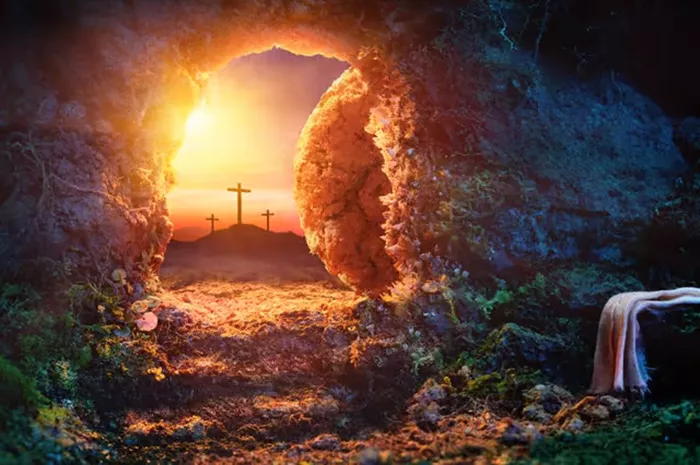
Easter is one of the most important festivals in Christianity. It centers on a single, powerful event: the resurrection of Jesus Christ. For Christians around the world, Easter is not only a historical remembrance but also a declaration of faith. It answers a central question of the Christian belief system: what happened to Christ after He was crucified?
According to the New Testament, Jesus was crucified on a Friday, known today as Good Friday. He died on the cross and was buried in a tomb. On the third day, which Christians celebrate as Easter Sunday, He rose from the dead. This event is known as the Resurrection. It is the foundation of Christian theology, worship, and hope.
This article will explain in detail what Christians believe happened to Christ on Easter. It will describe the biblical accounts, the theological meaning, and the historical impact of this event. The explanation will follow a clear and logical structure so that readers can understand both the narrative and its significance.
The Events Leading Up to Easter
The Crucifixion of Jesus
Before Easter Sunday came the crucifixion. Jesus was arrested after the Last Supper. He was tried by Jewish religious leaders and then brought before the Roman governor Pontius Pilate. Though Pilate found no clear fault in Him, he authorized the execution under pressure from the crowd.
Jesus was crucified outside the city of Jerusalem at a place called Golgotha. Crucifixion was a Roman method of execution. It was painful and humiliating. According to the Gospels, Jesus was nailed to a wooden cross. He suffered for several hours before He died.
Christians believe that His death was not an accident. They believe it was part of God’s plan for salvation. Jesus Himself had predicted His death and resurrection. His crucifixion is understood as a sacrifice for the sins of humanity.
The Burial in the Tomb
After Jesus died, His body was taken down from the cross. A man named Joseph of Arimathea asked for permission to bury Him. Jesus was placed in a new tomb carved out of rock. A large stone was rolled in front of the entrance.
According to the Gospel accounts, Roman guards were stationed at the tomb. The authorities feared that His followers might steal the body and claim He had risen. The sealed tomb symbolized finality. To many observers, the story of Jesus appeared to have ended in defeat.
The Morning of the Third Day
The Women Visit the Tomb
Early on the first day of the week, several women who had followed Jesus went to the tomb. They intended to anoint His body with spices. When they arrived, they found that the stone had been rolled away.
Inside the tomb, they did not find the body of Jesus. Instead, they encountered angelic messengers. According to the Gospel accounts, the angels told them that Jesus had risen. They were instructed to tell the disciples.
This discovery is central to the Easter story. The empty tomb is presented in the New Testament as the first sign that something extraordinary had occurred.
The Appearance to Mary Magdalene
One of the women, Mary Magdalene, remained near the tomb. She was grieving and confused. According to the Gospel of John, Jesus appeared to her. At first, she did not recognize Him. When He called her by name, she realized who He was.
This moment is deeply personal and emotional in the Christian tradition. It shows that the resurrection was not only a public event but also a personal encounter. Mary Magdalene became the first witness of the risen Christ.
The Appearances of the Risen Christ
Appearance to the Disciples
Later that day, Jesus appeared to His disciples. They were gathered in a locked room out of fear. According to the Gospel accounts, He stood among them and greeted them with peace.
The disciples were frightened at first. They thought they were seeing a spirit. Jesus showed them His hands and side, which still bore the marks of crucifixion. He ate food in their presence to demonstrate that He was physically alive.
This detail is important in Christian belief. The resurrection is not described as a symbolic vision. It is presented as a bodily resurrection. Jesus was alive in a transformed but physical body.
The Doubt of Thomas
One of the disciples, Thomas, was not present at the first appearance. When the others told him that Jesus had risen, he doubted. He declared that he would not believe unless he saw and touched the wounds.
A week later, Jesus appeared again. This time Thomas was present. Jesus invited him to touch the wounds. Thomas responded with a confession of faith, calling Jesus “My Lord and my God.”
This episode addresses doubt. It shows that even close followers struggled to believe. The narrative emphasizes that faith in the resurrection was grounded in encounters and testimony.
Appearances Over Forty Days
According to the Acts of the Apostles, Jesus appeared to many people over a period of forty days. He taught them and prepared them for their mission. He explained the Scriptures and spoke about the kingdom of God.
These appearances strengthened the disciples. Before Easter, they were fearful and scattered. After encountering the risen Christ, they became bold witnesses.
Theological Meaning of the Resurrection
Victory Over Death
Christians believe that the resurrection demonstrates victory over death. Death entered the world through sin, according to Christian teaching. By rising from the dead, Jesus is seen as conquering death itself.
The resurrection is not merely the resuscitation of a body. It is viewed as the beginning of a new kind of life. Jesus is described as the “firstfruits” of those who will also be raised.
Fulfillment of Prophecy
The New Testament writers argue that the resurrection fulfilled prophecies found in the Hebrew Scriptures. They point to passages in the Psalms and the writings of the prophets.
For early Christians, this fulfillment was evidence that the events of Easter were part of a larger divine plan.
Justification and Salvation
In Christian theology, the resurrection is closely linked with salvation. The Apostle Paul wrote that if Christ had not been raised, faith would be futile. The resurrection confirms that the sacrifice on the cross was accepted.
It is understood as proof that sin has been dealt with and that reconciliation with God is possible.
The Historical Impact of Easter
The Birth of the Christian Church
The proclamation of the resurrection became the central message of the early church. The disciples preached that Jesus had risen from the dead. This message spread rapidly throughout the Roman Empire.
The transformation of the disciples is often cited as evidence of their conviction. Many of them faced persecution and death for their testimony.
The Development of Christian Worship
Sunday became the primary day of Christian worship because it was the day of the resurrection. Early believers gathered to break bread and celebrate what Christ had done.
Over time, Easter developed into an annual festival. It became the most significant celebration in the Christian calendar.
Easter in Christian Practice Today
Liturgical Celebrations
Many churches hold sunrise services to remember the discovery of the empty tomb. Hymns and readings focus on resurrection themes. The atmosphere is joyful and triumphant.
The season of Lent, which precedes Easter, emphasizes reflection and repentance. Easter itself emphasizes renewal and hope.
Symbols of the Resurrection
Common symbols include the empty cross, the lily, and the egg. The empty cross represents that Christ is no longer on it. The lily symbolizes purity and new life. The egg has become a cultural symbol of new beginnings.
While some traditions have cultural customs, the central focus remains the resurrection of Christ.
Conclusion
On Easter, Christians believe that Jesus Christ rose from the dead. After being crucified and buried, He emerged from the tomb on the third day. He appeared to His followers, confirmed His identity, and commissioned them to continue His mission.
The resurrection is the cornerstone of Christian faith. It represents victory over death, the fulfillment of prophecy, and the assurance of salvation. From the empty tomb in Jerusalem to churches around the world today, the message of Easter continues to shape history and belief. For Christians, Easter is not simply a memory of the past. It is a living declaration that Christ is risen.