
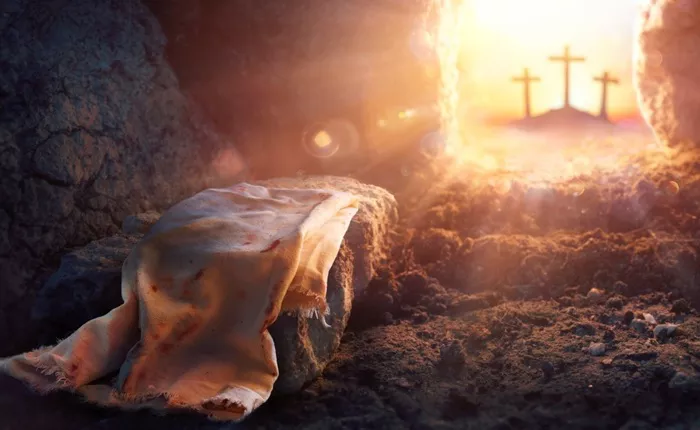
Easter Sunday is one of the most important days in the Christian calendar. On this day, Christians around the world remember the resurrection of Jesus Christ. The word “resurrection” means rising from the dead. According to Christian belief, Jesus rose from the dead on the third day after his crucifixion. This event is seen as a victory over sin and death. It is the foundation of Christian faith.
Easter Sunday does not fall on the same date each year. It is observed on the first Sunday after the first full moon following the spring equinox. This means it usually falls between late March and late April. The timing connects Easter with themes of spring, renewal, and new life.
For believers, Easter Sunday is not only a historical remembrance. It is a living celebration of hope, forgiveness, and eternal life. For many others, it is also a cultural festival marked by family gatherings, special meals, and traditional symbols such as eggs and flowers. To understand what we remember on Easter Sunday, we must look at its religious meaning, historical roots, and cultural traditions.
The Resurrection of Jesus Christ
At the center of Easter Sunday is the belief that Jesus Christ rose from the dead. Christians believe that Jesus was crucified on Good Friday. He was buried in a tomb. On the third day, which was Sunday, the tomb was found empty. His followers testified that they saw him alive.
This event is recorded in the New Testament of the Bible. The resurrection is considered proof that Jesus is the Son of God. It confirms his teachings and his promise of eternal life. Without the resurrection, Christian faith would lose its core meaning. Therefore, Easter Sunday is often described as the most important Christian celebration.
The resurrection is remembered as a moment of divine power. It represents triumph over suffering and injustice. It also offers hope to believers that death is not the end. Through Jesus’ rising, Christians believe that humanity can be reconciled with God.
The Meaning of Sacrifice and Redemption
Easter Sunday cannot be separated from the events of Holy Week. Holy Week begins with Palm Sunday and includes Good Friday. Good Friday commemorates the crucifixion of Jesus. Easter Sunday follows this sorrowful day with joy.
Christians remember that Jesus willingly accepted suffering and death. His sacrifice is understood as an act of redemption. Redemption means being saved from sin and restored to a right relationship with God. Easter Sunday celebrates the completion of this redemptive act.
The contrast between Good Friday and Easter Sunday is powerful. One day remembers death and suffering. The other remembers life and victory. This dramatic change forms the emotional heart of the Christian story.
The Empty Tomb and Its Symbolism
The empty tomb is a key symbol of Easter Sunday. According to the Gospel accounts, women followers of Jesus discovered that the stone covering the tomb had been rolled away. They found it empty. Angels announced that Jesus had risen.
The empty tomb represents more than a physical absence. It symbolizes hope. It signals that despair does not have the final word. For believers, it confirms that God’s promises are true.
Throughout history, artists and theologians have reflected on this image. The open tomb is often shown in paintings and church decorations. It stands as a reminder that new life can emerge from darkness.
The Promise of Eternal Life
On Easter Sunday, Christians remember the promise of eternal life. The resurrection is seen as the first sign of a greater future. Believers trust that just as Jesus rose, they too will share in resurrection.
This promise shapes Christian understanding of life and death. It encourages courage in the face of suffering. It provides comfort during times of grief. Easter Sunday therefore speaks not only about the past but also about the future.
The idea of eternal life is not only about living forever. It also refers to a transformed existence. It suggests peace, joy, and unity with God. This hope is central to Easter remembrance.
Renewal and New Beginnings
Easter Sunday often occurs during spring in the Northern Hemisphere. Spring is a season of growth and renewal. Flowers bloom. Trees regain leaves. Days grow longer. These natural changes reflect the spiritual themes of Easter.
Christians remember that through the resurrection, new life is possible. Old mistakes can be forgiven. Broken relationships can be healed. Personal transformation can begin.
This theme of renewal makes Easter Sunday meaningful even for those who focus more on its cultural aspects. It invites reflection on change, hope, and fresh starts.
Historical Development of Easter
The celebration of Easter developed in the early centuries of Christianity. Early Christians gathered weekly on Sunday to remember the resurrection. Over time, a special annual celebration emerged.
The date of Easter was debated in early church history. Eventually, church leaders agreed on a system linked to the Jewish Passover and the lunar calendar. This connection reflects the belief that Jesus’ crucifixion occurred around the time of Passover.
Through the centuries, Easter became a central feast in the Christian liturgical year. Different cultures added local customs. Despite variations, the core remembrance of the resurrection remained unchanged.
Church Services and Worship Traditions
On Easter Sunday, churches hold special services. These services often begin at sunrise. The sunrise symbolizes the discovery of the empty tomb at dawn.
Music plays an important role. Joyful hymns replace the quiet tones of Good Friday. Churches may decorate with white and gold colors. These colors represent purity and celebration.
Many congregations participate in communion. Communion recalls the Last Supper and connects believers to the sacrifice and resurrection of Jesus. Through worship, the memory of Easter becomes a shared experience.
Easter Symbols and Their Meanings
Several symbols are associated with Easter Sunday. Each carries meaning connected to remembrance and renewal.
Easter Eggs
Eggs symbolize new life. In many cultures, eggs are decorated and given as gifts. The hard shell represents the sealed tomb. Cracking the shell symbolizes resurrection and new beginnings.
The Easter Lily
The white lily is often displayed in churches. Its purity and bright appearance symbolize hope and resurrection. The flower’s trumpet shape is sometimes said to proclaim joyful news.
The Cross
The cross remains central. It reminds believers of the crucifixion. On Easter Sunday, the cross is also seen as a symbol of victory. It represents the path from suffering to life.
The Easter Bunny
The Easter Bunny is a popular cultural figure, especially in Western countries. Rabbits are associated with fertility and spring. While not directly religious, this symbol reflects themes of growth and new life.
Family and Community Gatherings
Beyond church services, Easter Sunday is often a time for families to gather. Shared meals are common. Traditional foods vary by country and culture. In many places, lamb is served, recalling biblical symbolism.
Community events such as egg hunts bring joy to children. These activities strengthen social bonds. They also connect religious remembrance with celebration and play.
Even in secular contexts, Easter Sunday often carries a message of hope and togetherness. It marks a pause in daily life and invites reflection on values and relationships.
Easter Around the World
Easter is celebrated globally. In Europe, elaborate church ceremonies are common. In Latin America, processions reenact events of Holy Week. In parts of Africa and Asia, Easter combines Christian worship with local traditions.
Despite cultural diversity, the central memory of the resurrection unites believers. The shared celebration highlights the global nature of Christianity.
Personal Reflection and Spiritual Growth
For many individuals, Easter Sunday is a time of personal reflection. It encourages examination of faith and values. It invites gratitude and renewal.
Some people choose this day to begin new spiritual practices. Others find comfort in quiet prayer. Easter remembrance can be deeply personal as well as communal.
The Continuing Relevance of Easter
In modern society, Easter continues to hold meaning. In a world marked by uncertainty and conflict, the message of hope remains powerful. The idea that life can overcome death speaks across generations.
Easter Sunday reminds people that suffering is not the final chapter. It points toward resilience and transformation. These themes resonate beyond religious boundaries.
Conclusion
On Easter Sunday, we remember the resurrection of Jesus Christ. We remember sacrifice, redemption, and the promise of eternal life. We recall the empty tomb and the hope it represents. We celebrate renewal, both spiritual and seasonal. Through worship, symbols, family traditions, and personal reflection, Easter Sunday continues to shape faith and culture. Its message of life overcoming death remains central and enduring. In remembering Easter, we remember hope itself.