
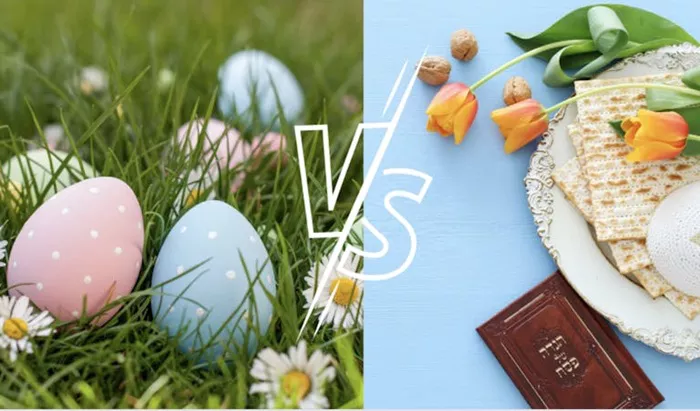
Easter and Passover are two of the most significant holidays in the Christian and Jewish traditions. Many people wonder if these two celebrations are the same or related. While both holidays share certain similarities, such as timing and themes of freedom and renewal, they are fundamentally different in purpose, meaning, and traditions. Understanding these differences requires exploring the history, religious significance, and cultural practices associated with each holiday.
The Origins of Passover
Passover, known as Pesach in Hebrew, is a Jewish holiday that commemorates the liberation of the Israelites from slavery in Egypt. This story is described in the book of Exodus in the Hebrew Bible. According to tradition, God sent ten plagues to persuade the Pharaoh to release the Israelites. The final plague, the death of the firstborn, led to the Exodus. The holiday’s name, Passover, comes from God passing over the homes of the Israelites during this plague.
Passover has been celebrated by Jewish communities for thousands of years. The holiday begins on the 15th day of the Hebrew month of Nisan and lasts for seven or eight days, depending on whether it is observed in Israel or in the diaspora. Its central rituals include the Seder meal, reading the Haggadah, and eating symbolic foods such as matzah (unleavened bread), bitter herbs, and charoset (a sweet mixture representing mortar).
The Origins of Easter
Easter is a Christian holiday that celebrates the resurrection of Jesus Christ, which is the cornerstone of Christian faith. According to the New Testament, Jesus was crucified on Good Friday and rose from the dead on the third day, which Christians observe as Easter Sunday. The holiday represents triumph over death, hope, and renewal.
Easter does not have a fixed date on the calendar. Instead, it is calculated as the first Sunday after the full moon on or after the vernal equinox, usually falling between March 22 and April 25. This timing often coincides with Passover, which has led to some confusion about the relationship between the two holidays. Christian traditions include attending church services, participating in Easter vigils, and engaging in cultural customs such as Easter eggs and bunnies, which symbolize new life.
Shared Themes Between Easter and Passover
Though Easter and Passover are distinct holidays, they share some common themes:
- Freedom and Liberation: Passover celebrates the physical liberation of the Israelites from slavery. Easter celebrates spiritual liberation through Jesus’ resurrection.
- Renewal and Hope: Both holidays symbolize new beginnings. Passover marks the beginning of spring in the Jewish calendar, while Easter represents new life and spiritual renewal.
- Family and Community: Both holidays involve gathering with family and community to share meals, tell stories, and pass down traditions.
Key Differences in Religious Significance
Despite some similarities, the religious significance of Easter and Passover is fundamentally different:
- Passover: Focuses on historical events and God’s intervention to free the Israelites. It is a story of salvation in a national and collective sense.
- Easter: Centers on Jesus’ death and resurrection, emphasizing personal salvation, forgiveness of sins, and eternal life for individuals who believe in Christ.
Passover is rooted in Jewish law and scripture, whereas Easter is rooted in Christian theology. The meaning of the holidays cannot be interchanged because they serve different religious purposes.
Rituals and Practices
The customs and rituals of Passover and Easter also differ greatly:
Passover Rituals
The Seder is the most important ritual of Passover. Families gather to retell the story of the Exodus using the Haggadah, a text that guides the order of the meal and rituals. Key practices include:
- Eating matzah to symbolize the haste in which the Israelites left Egypt.
- Consuming bitter herbs to remember the suffering of slavery.
- Drinking four cups of wine representing God’s promises of redemption.
- Removing leavened products from the home to symbolize purity and renewal.
Easter Rituals
Christian observances of Easter include:
- Attending church services to commemorate Jesus’ resurrection.
- Participating in the Holy Week, which includes Palm Sunday, Maundy Thursday, Good Friday, and Easter Sunday.
- Engaging in cultural traditions such as decorating eggs, Easter egg hunts, and sharing meals with family.
The Timing of the Holidays
One source of confusion is the timing of Easter and Passover. The Jewish calendar is lunar-based, while the Christian calendar is solar-based. As a result, Passover begins on the 15th day of Nisan, which changes each year according to the lunar cycle. Easter is determined by the spring equinox and the full moon. Sometimes the holidays overlap, but they do not always coincide.
Historical Connections
Easter has historical connections to Passover. The Last Supper, which Jesus shared with his disciples, is believed to have been a Passover meal. This link explains why Easter often occurs near Passover. Early Christians, many of whom were Jewish, celebrated Jesus’ resurrection in the context of Passover. However, over centuries, Christianity developed its own distinct calendar and rituals, making Easter separate from Passover.
Symbolism of Foods
Food symbolism is another way the two holidays differ:
- Passover: Matzah, bitter herbs, and charoset are symbolic of the Exodus and hardships of slavery.
- Easter: Eggs, lamb, and sweet treats symbolize new life, rebirth, and the joy of resurrection.
Modern Observances
Today, both holidays are celebrated with a mix of religious and cultural customs. Passover remains a primarily Jewish observance, while Easter is celebrated by Christians worldwide and has become heavily influenced by secular traditions such as candy, chocolate, and decorations. Despite these cultural adaptations, the core religious meanings remain intact for both holidays.
Common Misconceptions
Many people assume Easter and Passover are the same because of their timing and shared themes. However, this is incorrect. Easter is a Christian holiday focused on Jesus, while Passover is a Jewish holiday focused on the Exodus. Confusing the two can overlook the unique religious significance and rich cultural traditions of each.
The Cultural Impact
Both holidays have significant cultural impacts. Passover emphasizes family, storytelling, and remembrance. Easter influences global culture through its symbols of renewal and life. Communities celebrate with public events, parades, and festivals. Both holidays contribute to cultural identity and continuity, preserving ancient traditions while adapting to modern life.
Educational Value
Learning about the differences between Easter and Passover can help people understand religious diversity and history. It highlights how different faiths interpret freedom, renewal, and spiritual growth. Educators often use these holidays to teach students about history, religion, and ethics, fostering respect and appreciation for diverse traditions.
Similarities in Storytelling
Both holidays emphasize storytelling. Passover relies on the Haggadah to recount the Exodus, while Easter focuses on the Gospels to narrate Jesus’ life, death, and resurrection. Storytelling reinforces community, faith, and shared values, making both holidays meaningful beyond rituals and food.
Global Celebrations
Passover is celebrated primarily in Jewish communities worldwide, including Israel, the United States, and Europe. Easter is celebrated by Christians globally, with regional variations. In some countries, Easter traditions include special parades, festivals, and public holidays. These global celebrations show the influence and reach of both holidays across cultures.
Conclusion
In summary, Easter and Passover are not the same, though they share certain themes of liberation, renewal, and family. Passover commemorates the historical liberation of the Israelites from Egypt and is rooted in Jewish law and traditions. Easter celebrates the resurrection of Jesus Christ and is central to Christian faith. While both holidays are celebrated with symbolic meals, rituals, and storytelling, their meanings, origins, and practices are distinct. Understanding these differences allows people to appreciate the richness of both traditions and the cultural significance they carry for millions of people around the world.
Related topics: