
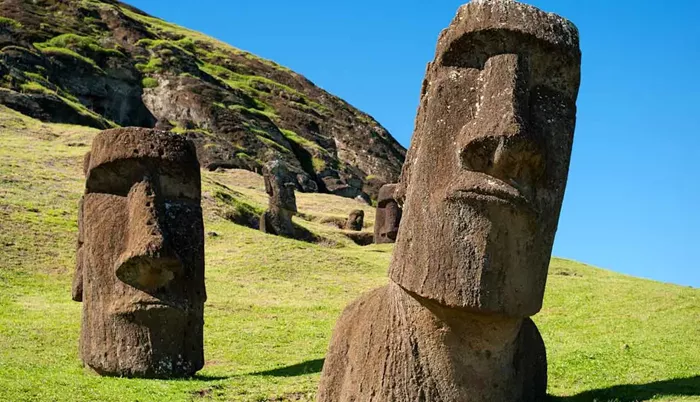
Known for their mysterious and awe-inspiring presence, the stone heads of Easter Island are one of the most iconic landmarks in the world. These monumental statues, which are scattered across the remote Pacific island of Rapa Nui, have intrigued historians, archaeologists, and travelers for centuries. The statues are not just remarkable for their size and sheer number, but also for their cultural significance and the mystery that surrounds their construction and purpose. In this article, we will delve into the history, naming, cultural context, and the enduring legacy of the famous Easter Island heads.
Introduction to Easter Island
Easter Island, also known as Rapa Nui, is one of the most isolated inhabited islands in the world. Located in the southeastern Pacific Ocean, over 2,000 miles from the nearest continent, Easter Island has been a subject of fascination for travelers and scientists alike. The island is home to around 900 stone statues, or ‘moai’, that have stood the test of time for centuries. These statues, though often referred to as ‘Easter Island heads’, are more than just heads; they are full-bodied representations of ancestral figures.
What Are the Easter Island Heads Called?
The Easter Island heads are officially called ‘moai’ (pronounced “mo-eye”). The word ‘moai’ refers to both the statues and the carved figures of ancestors that they represent. These statues are most often carved from volcanic tuff, a soft volcanic rock, and are mounted on stone platforms called ‘Ahu’. The ‘moai’ were primarily created to honor important ancestors, such as chiefs or other high-ranking figures within the society.
The Meaning of the Moai Statues
The moai statues represent deceased ancestors and are believed to hold mana, a spiritual power that could influence the well-being of the community. The statues’ large heads, which are disproportionately larger than their bodies, represent the importance of the head in Rapa Nui culture. The head was seen as the seat of wisdom, power, and spiritual energy, which is why the moai statues emphasize the head so dramatically. The bodies of the statues are often depicted with elongated torsos, symbolizing strength and leadership.
Where Are the Moai Statues Found?
The moai statues are spread across the island of Easter Island, with the majority found along the coastline. However, the most famous collection of moai is located at the Rano Raraku quarry, where most of the statues were carved. This area contains nearly 400 moai, making it a significant archaeological site. Other notable locations include Ahu Tongariki, Ahu Akivi, and Ahu Nau Nau, where several statues have been carefully restored and preserved. The Ahu platforms, on which the statues are placed, are essential to understanding the moai’s cultural significance. They served as ceremonial platforms where rituals and offerings were made to honor the spirits of the ancestors.
How Were the Moai Statues Created?
Carving the moai statues was a monumental task that required significant time and effort. The process began with selecting volcanic tuff, a soft but durable stone, from the Rano Raraku quarry. The island’s people would then use simple tools made of coral, basalt, and other materials to carve the statues. The statues were carved in a vertical position, and once completed, they were transported to their final locations. It is believed that the statues were moved using a sophisticated system of ropes and manpower, though the exact method remains a topic of debate among experts.
Theories About the Transportation of the Moai
One of the most enduring mysteries surrounding the Easter Island heads is how they were transported from the quarry to their locations. There are several theories about how this feat was achieved, given that some of the statues weigh as much as 80 tons. One popular theory suggests that the statues were ‘walked’ into place by a team of people using a system of ropes and synchronized movements to rock the statues forward. Another theory proposes that the statues were carried on wooden sledges or rafts, though no direct evidence has been found to support this. Despite the mystery, what is clear is that the process was a remarkable feat of engineering and community cooperation.
What Are the Significance and Purpose of the Moai Statues?
The moai statues were not just artistic creations; they were deeply tied to the spiritual and social life of the Rapa Nui people. The statues were erected to honor ancestors and were believed to hold mana, a spiritual power that could influence the prosperity of the community. The placement of the statues was carefully chosen, with the statues often facing inland toward the villages. This positioning was symbolic, as the ancestors were believed to watch over the people and ensure their well-being. The moai also played a role in the power struggles of the island, with different clans commissioning their own statues as symbols of their strength and influence.
Decline of Moai Construction and the Fall of the Rapa Nui Society
By the 19th century, the production of moai statues on Easter Island had largely ceased. There are several reasons for this decline, including the overuse of resources, the rise of Christianity, and internal conflicts among the island’s clans. The arrival of European explorers in the 18th century introduced new diseases, which decimated the indigenous population. Additionally, the introduction of new religious practices led to the abandonment of the old ways, including the construction of moai. By the time of the island’s annexation by Chile in the late 19th century, many of the statues had been toppled, and the island’s once-thriving culture was in decline.
The Moai in Modern Times
Today, the moai statues stand as symbols of Easter Island’s rich cultural heritage. Efforts have been made to restore and preserve the statues, and they are now a major attraction for tourists from around the world. The statues are not only admired for their artistic and cultural significance but also for the mystery that continues to surround their creation and transportation. In 1995, Easter Island was declared a UNESCO World Heritage Site, further cementing the importance of the moai statues in the world’s cultural history.
Conclusion
The moai statues of Easter Island remain one of the world’s greatest archaeological and cultural mysteries. These towering stone heads continue to capture the imagination of people from all over the globe, inspiring awe and fascination with their history, construction, and cultural significance. While many questions remain unanswered, the moai statues stand as a testament to the ingenuity and spiritual beliefs of the Rapa Nui people. As we continue to study and learn from these statues, they serve as a reminder of the enduring connection between culture, history, and the natural world.
Related topiucs: