
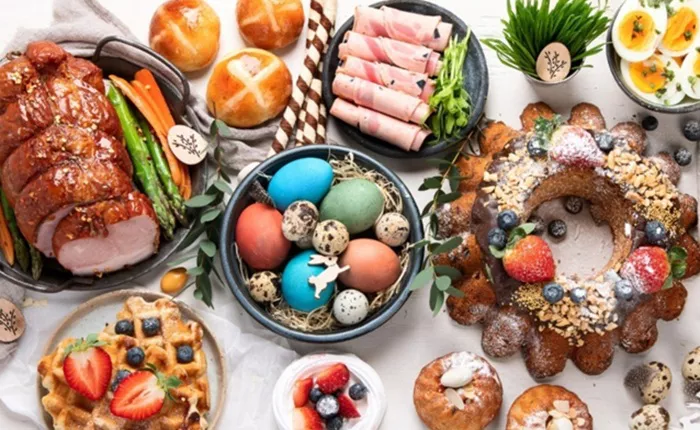
Easter is a significant holiday celebrated by many people worldwide, bringing families together to enjoy traditions, meals, and celebrate the resurrection of Jesus Christ. While Easter traditions vary between countries, one of the central aspects of the holiday is the food. In this article, we will explore what most people eat on Easter, focusing on the foods that have become traditional in different regions. Whether you’re celebrating with family or friends, these dishes will undoubtedly bring joy to the table.
Introduction
Easter is a time of celebration, reflection, and togetherness. It is also a time for enjoying delicious meals with loved ones. The foods associated with Easter often have deep cultural and religious significance, varying across different regions and countries. From traditional lamb dishes to sweet treats like hot cross buns, Easter meals bring families together in a spirit of festivity and joy. This article will highlight some of the most common foods enjoyed by people on Easter and explain why they have become so important during this holiday.
Traditional Easter Dishes Around the World
Lamb
In many cultures, lamb is the centerpiece of the Easter meal. This tradition stems from the biblical story of the Passover lamb, symbolizing Jesus as the “Lamb of God.” Whether it’s roasted, grilled, or cooked in a stew, lamb remains a popular choice for Easter Sunday dinner in countries such as Greece, Italy, the United Kingdom, and Australia. The tender meat, often served with mint sauce or rosemary, is a significant part of Easter feasts.
Ham
Another beloved dish is ham. In countries like the United States and Canada, ham is a traditional Easter meal, especially in the Midwest and Southern regions. The rich, savory flavor of glazed ham, often paired with pineapple or brown sugar, makes it a favorite during Easter meals. The tradition of eating ham dates back to times when it was a special dish reserved for holiday celebrations due to its cost and flavor.
Eggs
Eggs are undoubtedly one of the most iconic symbols of Easter. They represent rebirth, renewal, and life. Many cultures incorporate eggs into their Easter meals, whether boiled, scrambled, or used in various dishes like salads or casseroles. In addition to their culinary role, eggs are also painted and decorated in many parts of the world, forming part of the holiday’s rituals and activities. The egg hunt, in which children search for hidden chocolate or real eggs, is a widespread tradition across the globe.
Hot Cross Buns
Hot cross buns are a sweet, spiced bun decorated with a cross on top. This treat has its origins in England, where it was traditionally eaten on Good Friday. The buns are typically made with currants, raisins, or sultanas, and are flavored with cinnamon and nutmeg. Over time, hot cross buns have become a staple for Easter Sunday as well, often enjoyed with butter or jam.
Sweet Pastries and Cakes
Easter also brings an array of sweet treats, especially in European countries. In Italy, for example, people enjoy “Colomba di Pasqua,” a dove-shaped cake made with a rich, yeasty dough, often topped with sugar and almonds. In Germany, “Osterlamm” is a traditional Easter lamb-shaped cake, symbolizing the lamb of God. Additionally, the famous Easter egg-shaped chocolate is a popular treat, especially in countries like Belgium and France. The sweet, creamy filling inside the chocolate eggs brings an added layer of enjoyment to the holiday festivities.
Regional Easter Foods
The United States
In the United States, the Easter meal often features a combination of both savory and sweet dishes. While ham is the most common main course, side dishes such as mashed potatoes, green beans, and cornbread are typically served. For dessert, families often enjoy pies, cakes, and pastries, with carrot cake being a particular favorite due to its connection with the spring season. The tradition of an Easter egg hunt is also a highlight of the day for many families, with children excitedly searching for colorful eggs filled with candy or small toys.
United Kingdom
In the United Kingdom, Easter Sunday is commonly celebrated with a hearty meal of roast lamb or ham. Accompanying side dishes include roasted vegetables, potatoes, and Yorkshire pudding. Hot cross buns are a beloved treat, enjoyed with a cup of tea. For dessert, Easter cakes and pies are popular, with a variety of chocolate treats also being exchanged among friends and family. The UK also observes the tradition of egg rolling, where children race to see whose hard-boiled egg can roll the farthest without cracking.
Greece
In Greece, Easter celebrations are filled with symbolic dishes that honor both the religious and cultural aspects of the holiday. One of the most important dishes is “Magiritsa,” a soup made from lamb offal, usually enjoyed after the midnight church service. The centerpiece of the Easter feast is typically lamb, cooked on a spit or roasted, and served with potatoes. Greek Easter bread, “tsoureki,” is a sweet, braided bread flavored with orange and topped with sesame seeds. The tradition of dyeing eggs red, symbolizing the blood of Christ, is also prevalent in Greek Orthodox homes.
Italy
In Italy, Easter meals are a celebration of both religion and the arrival of spring. A traditional Easter dish is “agnello” (lamb), which is roasted and served with various sides like roasted potatoes and vegetables. Italians also indulge in “Colomba di Pasqua,” a dove-shaped cake with a sugary crust and almonds. Another Easter treat is “pastiera,” a ricotta cheese and wheat pie from Naples. During Easter, Italians also enjoy regional pastries and sweets, often featuring almonds, chocolate, or citrus flavors. The celebration of Easter in Italy is a family affair, and the meal plays a central role in uniting loved ones.
Conclusion
Easter meals bring people together to celebrate the season of renewal and joy. From lamb and ham to eggs and sweet pastries, the foods associated with Easter have a long-standing tradition that varies from culture to culture. The variety of dishes served during Easter reflects the diverse ways in which this holiday is celebrated, with each meal offering something unique. Whether it’s the savory flavors of roasted lamb or the sweetness of hot cross buns, Easter foods symbolize both religious and cultural traditions that unite families and communities. As we continue to celebrate Easter in the years to come, these foods will remain a delicious and meaningful part of the festivities, filling our tables with warmth, tradition, and love.
Related topics: