
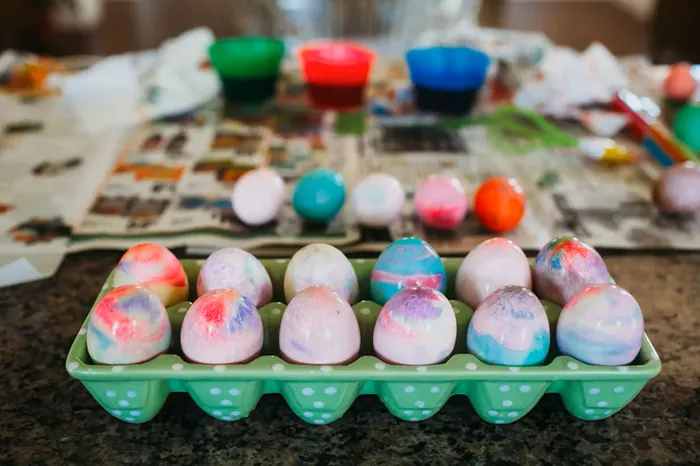
Easter eggs are an iconic symbol of Easter celebrations worldwide. These colorful eggs are often decorated and hidden for children to find during Easter egg hunts. But what exactly are Easter eggs made of? The answer to this question is not as simple as it may seem, as the materials used in Easter egg creations can vary greatly depending on the tradition, the country, and the type of Easter egg in question. In this article, we will explore the different types of Easter eggs and the materials used to make them, providing a comprehensive overview that will satisfy the curiosity of anyone interested in this beloved Easter tradition.
Introduction to Easter Eggs
Easter eggs are a beloved part of the Easter holiday, often associated with springtime, renewal, and rebirth. The tradition of decorating eggs for Easter has ancient roots, with different cultures using eggs to symbolize life and fertility. Today, Easter eggs come in various forms, from chocolate eggs to decorative blown eggs and even plastic eggs filled with treats. Regardless of the material or type of egg, the main idea behind the Easter egg is to celebrate life and the joys of spring.
Types of Easter Eggs
There are several types of Easter eggs, and each type can be made from different materials. These include:
1. Chocolate Easter Eggs
Chocolate Easter eggs are perhaps the most popular type of Easter egg. These eggs are typically made from milk, dark, or white chocolate and are often filled with candies, toys, or other small surprises. Chocolate eggs are commonly found in supermarkets and are a favorite among both children and adults. These eggs can come in various sizes, from small, bite-sized treats to large, elaborate creations that are designed to be shared among family and friends.
2. Decorated Real Eggs
In some cultures, real eggs are used for Easter celebrations. These eggs are typically hard-boiled and then decorated with various materials such as paint, dye, glitter, or stickers. The act of decorating real eggs is a tradition that dates back centuries and is often a family activity. In Eastern Europe, particularly in countries like Ukraine, the tradition of creating intricate designs on real eggs is known as Pysanka. The eggs are usually decorated with symbols of spring, rebirth, and fertility.
3. Plastic Easter Eggs
Plastic Easter eggs are commonly used in Easter egg hunts. These eggs are hollow and can be filled with candy, toys, or small surprises. Plastic eggs are an affordable option and are often used for outdoor egg hunts because they are less likely to break compared to real eggs. They come in a wide range of colors and sizes, making them easy to spot during a hunt.
4. Wooden Easter Eggs
Wooden Easter eggs are often used for decoration and as keepsakes. These eggs are usually hand-painted and can be quite intricate. Wooden eggs are durable and can be reused for many years, making them a popular choice for families who want to keep their Easter traditions alive. In some cultures, wooden Easter eggs are used as part of elaborate Easter displays and are sometimes passed down through generations.
Materials Used to Make Easter Eggs
The materials used to make Easter eggs vary depending on the type of egg and the region where the tradition originates. Below are the common materials used for each type of Easter egg.
Chocolate Easter Eggs
Chocolate Easter eggs are made primarily from cocoa beans, which are processed into cocoa mass, cocoa butter, and cocoa powder. The chocolate used to make Easter eggs can vary in flavor depending on the percentage of cocoa used. Milk chocolate is made with milk powder or condensed milk, while dark chocolate contains a higher percentage of cocoa and less sugar. White chocolate, on the other hand, is made with cocoa butter, sugar, and milk solids, but no cocoa solids, giving it a creamy, sweet taste.
Real Eggs
Real Easter eggs are made from chicken eggs, which are the most common type of eggs used. These eggs can be dyed or painted in various colors using natural dyes, such as beet juice or onion skins, or synthetic dyes available in craft stores. In some cultures, intricate designs are created on the surface of the eggs using wax and other techniques. The process of decorating real eggs is often time-consuming but results in beautiful, one-of-a-kind creations.
Plastic Easter Eggs
Plastic Easter eggs are made from lightweight plastic materials, typically polyethylene or polypropylene. These eggs are molded into various shapes and sizes, and they can be decorated with colorful patterns or left plain. Plastic Easter eggs are often filled with candy, small toys, or even money, making them a fun and exciting addition to Easter egg hunts.
Wooden Easter Eggs
Wooden Easter eggs are made from various types of wood, such as pine, maple, or birch. The wood is shaped into the form of an egg, and then it is sanded and painted. Wooden Easter eggs are often hand-carved and painted with intricate designs, which can include floral patterns, geometric shapes, or religious symbols. These eggs are often used as decorative pieces and are not typically eaten.
The History of Easter Eggs
The tradition of using eggs during Easter dates back to ancient times. Eggs were often associated with fertility and rebirth, and in many cultures, they were seen as a symbol of life. In the Christian tradition, eggs are said to represent the resurrection of Jesus Christ, with the cracking of the egg symbolizing the breaking of the tomb. The practice of decorating eggs for Easter is believed to have originated in medieval Europe, and over time, it spread to other parts of the world.
The Significance of Easter Eggs
Easter eggs are rich in symbolism and meaning. In many cultures, eggs are seen as a symbol of new life and renewal. This is particularly fitting during Easter, as the holiday celebrates the resurrection of Jesus Christ and the promise of eternal life. The act of decorating eggs has also become a way for people to express creativity and engage in a fun, festive activity. Easter eggs are often shared among friends and family, symbolizing unity and togetherness.
How to Make Easter Eggs
Making Easter eggs can be a fun and rewarding activity. Here are some simple steps to help you create your own Easter eggs, whether you’re using real eggs, chocolate, or other materials:
1. Decorating Real Eggs
To decorate real eggs, start by boiling the eggs to make them hard. Once the eggs are cooled, you can dye them using food coloring, paint, or other materials. If you want to create intricate designs, you can use wax to draw patterns on the eggs before dyeing them. This will create a beautiful contrast between the wax and the dye.
2. Making Chocolate Easter Eggs
To make chocolate Easter eggs, you will need to melt the chocolate and pour it into molds. You can use special chocolate egg molds or even create your own using plastic molds. Once the chocolate is poured into the molds, allow it to cool and harden. You can fill the chocolate eggs with candy or other treats before sealing them shut.
3. Crafting Wooden Easter Eggs
To create wooden Easter eggs, you will need to carve or cut the wood into an egg shape. Once the eggs are shaped, you can sand them to smooth out any rough edges. After sanding, you can paint the eggs with your desired colors and designs. Wooden eggs are often decorated with floral patterns, polka dots, or other festive designs.
Conclusion
Easter eggs have a rich history and are an integral part of the Easter celebration. Whether they are made from chocolate, real eggs, plastic, or wood, each type of Easter egg carries its own unique charm and significance. The materials used to make these eggs can vary, but they all serve the same purpose: to celebrate life, renewal, and the joys of spring. Whether you’re participating in an Easter egg hunt, decorating eggs with your family, or simply enjoying a chocolate Easter egg, this timeless tradition continues to bring joy to people of all ages.
Related topics: