
Easter is one of the most important celebrations in the Catholic Church. It is a joyful and holy time that marks the resurrection of Jesus Christ. For Catholics, Easter is not just a single day of celebration, but the center of their faith. It is filled with spiritual meaning, rich traditions, and deep theological significance. In this article, we will explore the meaning of Easter from a Catholic perspective, its biblical foundation, its place in the liturgical calendar, and the symbols and practices that surround it.
Introduction: The Heart of the Christian Story
In the Catholic tradition, Easter is the feast of feasts. It is the celebration of life over death and hope over despair. Catholics believe that Jesus, the Son of God, was crucified, died, and was buried—and that on the third day, He rose again. This moment is the cornerstone of Christian faith.
Without the resurrection, Christianity would not exist. As St. Paul writes in the Bible, “If Christ has not been raised, then our preaching is in vain and your faith is in vain” (1 Corinthians 15:14). Easter is, therefore, the ultimate celebration of God’s power and love.
Catholics all over the world prepare for this feast with great devotion. From the days of Lent to the glorious Easter Sunday Mass, each step reflects the spiritual journey of sorrow, reflection, and rejoicing. But what does Easter really mean in Catholicism? Let us look deeper.
The Resurrection: Foundation of the Catholic Faith
The central meaning of Easter is the resurrection of Jesus Christ. According to Catholic belief, Jesus was crucified on Good Friday and laid in a tomb. On the third day—Sunday—He rose from the dead.
This event is not symbolic. Catholics believe it truly happened. The resurrection shows that Jesus is not just a good teacher or prophet. He is the Son of God. He defeated sin and death so that believers could have eternal life.
The resurrection confirms that everything Jesus taught is true. His miracles, His words, His identity—all are proven by the empty tomb. This is why Easter is not just a celebration; it is a declaration of faith.
The Paschal Mystery: Suffering, Death, and Resurrection
In Catholic teaching, Easter is part of what is known as the Paschal Mystery. This term refers to the passion (suffering), death, resurrection, and ascension of Jesus. Catholics reflect on all parts of this mystery, especially during Holy Week.
The Paschal Mystery is not just about what happened to Jesus. It is about what it means for each believer. Catholics are called to share in the suffering and resurrection of Christ in their own lives. This means carrying their crosses, dying to sin, and rising to new life through God’s grace.
Through the Sacraments, especially Baptism and the Eucharist, Catholics are joined to the Paschal Mystery. Easter reminds them that they are not alone in their struggles. Jesus went through death and came out victorious. So can they, with His help.
The Easter Triduum: A Journey Through Salvation
The Easter celebration does not begin on Sunday morning. It begins three days earlier with the Easter Triduum, the most sacred time of the Catholic year.
The Triduum includes:
Holy Thursday – The Last Supper, where Jesus gave His body and blood in the Eucharist and washed the feet of His disciples.
Good Friday – The day of Jesus’ crucifixion, marked by sorrow and silence.
Holy Saturday – A day of waiting and reflection before the great celebration of the Resurrection at the Easter Vigil.
Each of these days is rich in meaning. Catholics walk with Jesus from the Upper Room to the Cross to the empty tomb. It is a journey through pain into joy, darkness into light.
The Easter Vigil: Light in the Darkness
The Easter Vigil, held on Holy Saturday night, is the most beautiful and solemn liturgy of the Catholic Church. It begins in darkness, symbolizing the world before Christ’s resurrection. A fire is lit outside the church, and from it, the Paschal Candle is lit. This candle represents Christ, the Light of the World.
As the candle is carried into the church, the faithful light their own small candles from it. Slowly, the church fills with light. This powerful symbol reminds Catholics that Jesus’ resurrection brings light to a dark world.
The Vigil includes readings from the Old and New Testaments, telling the whole story of salvation. Then the Gloria is sung, bells are rung, and the church rejoices in the risen Christ. Catechumens—those preparing to become Catholic—are often baptized during this liturgy, showing how Easter brings new life.
Easter Sunday: The Feast of the Risen Lord
On Easter Sunday, Catholics gather to celebrate the empty tomb. The Gospel readings tell the story of the women who came to the tomb and found it empty. The angel tells them, “He is not here. He has risen!”
The church is filled with joy. Flowers, especially lilies, decorate the altar. The Alleluia, which was not sung during Lent, returns. The music, the prayers, and the Scripture all proclaim that Jesus is alive.
Easter Sunday Mass is not just a memory. It is a living celebration. Catholics believe that Christ is still present among them—especially in the Eucharist. Every Mass is a sharing in the resurrection.
The Octave of Easter and the Season That Follows
Easter is too great to be celebrated in just one day. In the Catholic Church, the Easter Octave includes eight full days of celebration, from Easter Sunday to the following Sunday, known as Divine Mercy Sunday.
Beyond the octave, the Easter Season lasts for 50 days. It ends on Pentecost, when the Holy Spirit came upon the apostles. During this time, Catholics reflect more deeply on the joy and meaning of the resurrection.
Readings during the Easter season focus on the risen Christ and the early Church. The liturgy is filled with Alleluias, white vestments, and celebrations of new life.
Symbols of Easter in the Catholic Church
Many symbols are used during the Easter celebration. These symbols are not just decorations. They teach and remind Catholics of deeper truths.
The Empty Tomb: A sign that Jesus has risen.
The Cross: Once a symbol of death, now a sign of victory.
The Paschal Candle: Represents Christ, the light that defeats darkness.
Water: Used in baptisms, symbolizes new life and the cleansing of sin.
Lilies: White flowers that represent purity and resurrection.
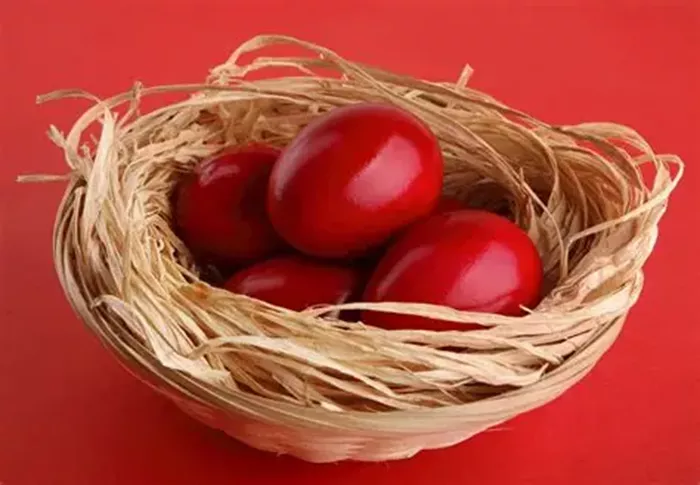
Easter Eggs: A traditional sign of new life and rebirth.
Each of these has spiritual meaning. They help believers connect to the mystery they celebrate.
Lent: Preparing the Heart for Easter
Before Easter comes Lent, a season of 40 days of preparation. Lent begins on Ash Wednesday and ends before the Easter Triduum. During Lent, Catholics focus on prayer, fasting, and almsgiving.
Lent mirrors the 40 days Jesus spent in the desert before beginning His public ministry. It is a time of reflection and repentance. Catholics give up certain comforts to draw closer to God. They go to confession, attend Stations of the Cross, and seek to grow in faith.
Without Lent, Easter would lose some of its power. Just as Jesus went through suffering before glory, Catholics prepare their hearts before celebrating the resurrection.
The Eucharist and the Resurrection
For Catholics, Easter is closely connected to the Eucharist. At the Last Supper, Jesus gave His body and blood to His disciples. After the resurrection, He appeared to them and often broke bread with them.
The Mass is the place where Catholics meet the risen Christ. Every Eucharist is a celebration of Easter. When they receive the body of Christ, they are joined to His death and resurrection.
This is why Easter is the best time for Catholics to renew their faith in the Eucharist. Many receive communion with greater devotion during this season. It is also a time for First Communions and Confirmations, adding to the joy of the Church.
The Message of Hope and Eternal Life
At its heart, Easter is a message of hope. The world is filled with pain, suffering, and death. But Easter proclaims that death is not the end. Because Jesus rose, all who believe in Him can have eternal life.
This is the greatest promise of the Catholic faith. Easter is not just about something that happened 2,000 years ago. It is about what can happen in each soul today. Every believer is invited to rise from sin and despair into a life of grace and joy.
This hope extends beyond the grave. Easter reminds Catholics that heaven is real and that God’s love is stronger than death. It gives meaning to life’s struggles and courage to face the future.
Easter and the Mission of the Church
After Jesus rose from the dead, He gave His disciples a mission: to spread the Good News to all nations. Easter is the beginning of the Church’s mission in the world.
Catholics are called not just to celebrate the resurrection, but to live it. They are sent out to bring light to others—to comfort the grieving, feed the hungry, and share the joy of faith.
In this way, Easter is not an ending, but a beginning. It is the start of a new life for each believer and for the Church as a whole.
Conclusion
Easter is more than a holiday. For Catholics, it is the celebration of the most important truth of their faith: that Jesus is risen. It is a time of joy, of renewal, and of hope.
Every part of the Easter season—from Lent to Pentecost—is filled with deep meaning. The rituals, the prayers, and the symbols all point to a single truth: that life has conquered death.
Catholics are invited not only to understand this truth but to live it. By embracing the resurrection in their own hearts, they become witnesses to God’s love in the world.
In a world that often feels broken, the message of Easter remains clear: Christ is risen. Alleluia. And because He lives, there is always hope.
Related topics: