
Easter is one of the most significant and widely celebrated holidays in the Christian calendar. But have you ever wondered why it’s called Easter? The name “Easter” itself carries a history that spans centuries and is deeply rooted in both religious traditions and cultural practices. This article aims to explore the origin of the holiday’s name, its connection to ancient celebrations, and how it evolved into the modern observance we know today.
Introduction to Easter and Its Significance
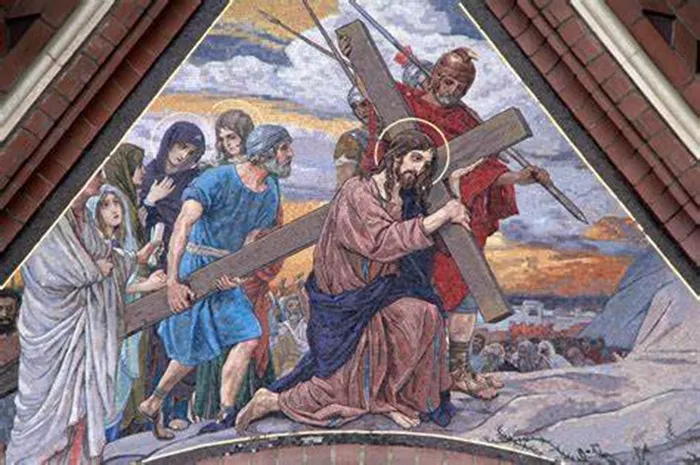
Easter is celebrated as the resurrection of Jesus Christ from the dead. According to Christian belief, this event occurred three days after His crucifixion at Calvary. The resurrection signifies victory over sin and death, a cornerstone of Christian theology. The holiday is preceded by Lent, a period of fasting and reflection, and culminates in the joyous celebration of Jesus’ return to life on Easter Sunday.
However, the term “Easter” itself doesn’t directly appear in the Bible, which leads many to question the roots of the holiday’s name. To understand why it’s called Easter, we must delve into the historical, linguistic, and religious influences that shaped its modern identity.
The Origin of the Name ‘Easter’
Etymology of ‘Easter’
The name “Easter” is believed to be derived from Old English ēastre or ēostre, referring to a pagan festival that was celebrated in spring. The name was later adopted by Christians in northern Europe to mark the resurrection of Christ.
The connection between the word ēastre and the holiday is often traced back to the writings of the Venerable Bede, an Anglo-Saxon monk and historian, in the 8th century. Bede recorded that the month of April was named after the Anglo-Saxon goddess Ēostre (sometimes spelled Ostara), who was associated with fertility and springtime. The name ēastre itself was linked to the pagan celebration of the vernal equinox, a time when day and night were equal, symbolizing renewal and rebirth.
In this context, Easter was essentially a Christian rebranding of an older, more general celebration of spring and renewal. Over time, Christian communities in Europe began to incorporate the name of the goddess Ēostre into their celebration of Christ’s resurrection, a fusion of pagan and Christian practices.
The Role of the Vernal Equinox in Ancient Celebrations
The vernal equinox has been a significant point in many ancient cultures. For the Celts, Norse, and other Indo-European peoples, this period marked a time when the earth awakened from the winter’s dormancy. Celebrations at this time often focused on fertility, renewal, and the triumph of light over darkness. These early spring festivals, including those dedicated to Ēostre, would eventually overlap with the Christian observance of Easter.
Other Theories About the Origin of ‘Easter’
While the connection to Ēostre is widely accepted, some scholars propose alternative theories regarding the name. One theory suggests that the word Easter could derive from the Latin albis, meaning “dawn” or “white.” This might refer to the “dawn” of Jesus’ resurrection on the third day after His crucifixion, a time traditionally associated with new beginnings. According to this interpretation, Easter’s name symbolizes the “dawn” of Christianity’s victory over death.
Other theories have proposed connections to the Hebrew word pesach, which means “Passover.” Since Easter is closely linked to the Jewish holiday of Passover (the Last Supper, which Jesus shared with His disciples, was a Passover meal), some argue that the name “Easter” may have been adapted from this term. However, this theory is not widely accepted because of the distinct linguistic differences between the Hebrew and European languages.
The Christianization of Pagan Festivals
One of the most fascinating aspects of the Easter name is how Christianity absorbed pre-existing traditions and festivals. Many early Christian holidays were established in parallel with pagan festivals to ease the conversion of non-Christians to the faith. Easter is no exception.
As Christianity spread through Europe, it encountered existing pagan customs related to the spring equinox, and in many cases, the Christian holiday of Easter replaced or adapted these older traditions. Symbols of fertility, such as eggs and rabbits, which were common in pagan festivals, found their way into the Easter tradition, albeit with new Christian meanings.
The Egg as a Symbol of Resurrection
The egg has long been a symbol of fertility and new life, making it a fitting representation of the resurrection. Ancient cultures, including the Egyptians and Persians, believed the egg symbolized the universe and the origin of life. As Easter celebrations became more widespread, the egg was adopted as a symbol of Christ’s resurrection, symbolizing new life emerging from the tomb.
Eggs were often dyed in bright colors to celebrate the joy of spring and rebirth. The practice of egg painting, egg rolling, and egg hunts that we associate with Easter today can be traced back to these early traditions.
The Rabbit and Springtime Fertility
Similarly, the rabbit or hare became a common symbol associated with fertility, largely due to their prolific breeding habits. The origins of the Easter Bunny are unclear, but it is believed that the figure of the rabbit emerged in the 1700s in Germany. The Easter Bunny was said to lay eggs, further tying the rabbit to the symbolism of rebirth and renewal.
While the Easter Bunny is not directly connected to the Christian meaning of the holiday, it serves as a cultural symbol of springtime and the joy associated with the season.
Easter’s Evolution Across the World
While Easter’s name and traditions have roots in European paganism, the way the holiday is celebrated can vary dramatically around the world. Christian communities in different regions have adapted the holiday to fit their cultural contexts, creating unique customs and rituals.
Easter in the Western World
In the United States and many Western countries, Easter is primarily a Christian religious observance. It’s marked by church services, special meals, and family gatherings. The secular aspects of the holiday, such as egg hunts, Easter baskets, and the Easter Bunny, have also become major components of the celebration.
In countries like Italy and Spain, Easter is deeply ingrained in religious traditions, with processions, feasts, and elaborate church services marking the culmination of Lent and the celebration of Christ’s resurrection. Many Italians celebrate Easter Sunday with a festive meal, often featuring lamb, an ancient symbol of Christ as the “Lamb of God.”
Easter in the Eastern Orthodox Church
In the Eastern Orthodox Church, Easter is celebrated with particular reverence. Known as Pascha, the Orthodox celebration of Easter follows a different calendar than Western Christianity, usually taking place one to five weeks later. The customs surrounding Pascha vary by country but typically involve midnight church services, special pastries like the kulich (a traditional Easter bread), and the sharing of painted eggs, symbolizing the resurrection.
Easter in the Eastern and African Christian Traditions
In Ethiopia and other parts of Africa, Easter is a solemn and significant religious holiday. The Ethiopian Orthodox Church celebrates the holiday with fasting leading up to Easter, culminating in a grand feast. The day is marked by church services, prayers, and the sharing of special foods.
In the Middle East, where Christianity originated, Easter is also celebrated with great devotion. The Coptic Orthodox Church in Egypt, for example, has a long-standing tradition of celebrating the Paschal Feast after a period of Lent, with processions, special prayers, and a focus on family unity.
Conclusion:
The holiday of Easter has evolved over centuries, from its ancient roots in pagan spring festivals to its central role in Christian theology. Its name, derived from the Anglo-Saxon goddess Ēostre, reflects the blending of ancient customs with Christian practices. As Christianity spread throughout Europe, Easter became a time to celebrate the resurrection of Jesus Christ while also incorporating elements of renewal, fertility, and the triumph of life over death.
Today, Easter is celebrated around the world in many different ways, but the central theme remains the same: the celebration of new life. Whether through religious services, festive meals, or cultural traditions, Easter continues to hold a profound significance for millions of people. The holiday’s name, deeply tied to history, culture, and faith, serves as a reminder of the enduring power of rebirth and renewal.
Related topics: