
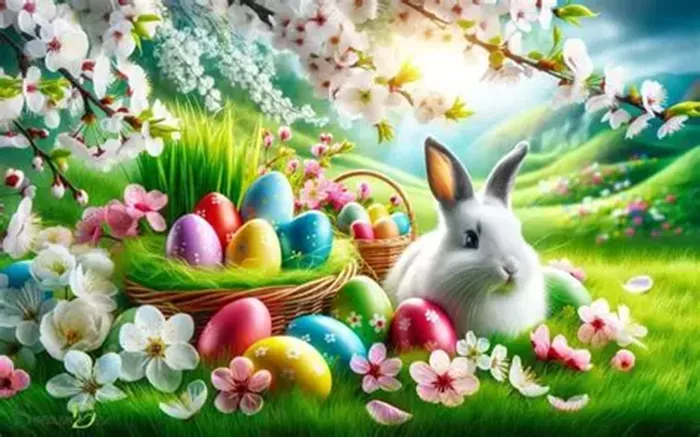
Easter is one of the most significant holidays celebrated worldwide, with religious, cultural, and historical importance. For many, it marks the resurrection of Jesus Christ, while for others, it is a time of renewal, family gatherings, and festivities. But Easter’s meaning is much deeper than just a holiday with eggs and bunnies. This article delves into the history, religious significance, cultural practices, and modern interpretations of Easter, exploring what it truly represents and how it is celebrated in various parts of the world.
The Historical Roots of Easter
To understand the meaning of Easter, we must first look at its historical origins. Easter is celebrated in Christianity as the day of Jesus Christ’s resurrection, which occurred three days after His crucifixion. According to the New Testament of the Bible, Jesus’ resurrection symbolizes victory over death and sin, offering the hope of eternal life for believers.
The Crucifixion of Jesus Christ
The events leading up to Easter begin with Good Friday, the day when Christians commemorate the crucifixion of Jesus. According to the Christian faith, Jesus was arrested, tried, and sentenced to death by crucifixion by the Roman authorities, despite being innocent. His death is seen as a sacrifice for the sins of humanity, and this act of love is central to Christian beliefs. Christians believe that Jesus died to atone for the sins of mankind, offering salvation to all who believe in Him.
The Resurrection of Jesus Christ
Easter Sunday, also known as Resurrection Day, is the celebration of Jesus’ triumph over death. Christians believe that on the third day after His crucifixion, Jesus rose from the dead. This event is considered the cornerstone of Christian faith, as it is seen as proof of the divine nature of Jesus and His victory over the power of death and sin.
The resurrection is also seen as a promise of eternal life for believers. Christians around the world celebrate Easter with joy, remembering that through Christ’s resurrection, they too have the hope of life after death. The resurrection represents the possibility of spiritual renewal and rebirth, making Easter a time of hope, reflection, and renewal.
Easter in Christian Tradition
For Christians, Easter is a time of reflection, worship, and celebration. It is the culmination of the season of Lent, which is a period of fasting, penance, and prayer leading up to Easter. The period of Lent lasts for 40 days, commemorating the 40 days Jesus spent fasting in the desert before beginning His ministry.
Holy Week: The Final Days of Jesus
The week leading up to Easter is known as Holy Week, which begins with Palm Sunday. Palm Sunday marks Jesus’ triumphant entry into Jerusalem, where people laid palm branches at His feet as He rode into the city. This event is seen as a fulfillment of prophecy, as it was foretold that the Messiah would enter Jerusalem in this way.
Maundy Thursday, observed on the Thursday before Easter, commemorates the Last Supper, when Jesus shared a meal with His disciples and instituted the sacrament of communion. The day is also significant because it marks the moment when Jesus was betrayed by Judas and arrested.
Good Friday follows, commemorating the crucifixion of Jesus. Christians often observe this day with solemn reflection, prayer, and fasting. Good Friday is a day to remember the suffering and sacrifice of Jesus.
The Easter Vigil and Easter Sunday
The Easter Vigil, held on the night before Easter Sunday, is one of the most important liturgical celebrations in the Christian calendar. It begins with the lighting of the Paschal candle, symbolizing the light of Christ’s resurrection. The vigil includes readings from the Old and New Testaments, recalling God’s promises and the fulfillment of those promises in Christ.
On Easter Sunday, Christians celebrate the resurrection with joy and thanksgiving. It is a day of worship, singing, and feasting, as believers rejoice in the victory of life over death. The Easter liturgy often includes special hymns, prayers, and the reading of the Gospel story of the resurrection.
The Symbolism of Easter
Easter is rich with symbols, many of which are derived from both Christian and pre-Christian traditions. These symbols carry deep meanings and help convey the spiritual and cultural significance of the holiday.
The Easter Egg
One of the most recognizable symbols of Easter is the egg. In Christianity, the egg represents the resurrection and the new life that comes with it. The hard shell of the egg symbolizes the sealed tomb of Jesus, while cracking the egg open represents His resurrection. This symbolism has been present in Easter traditions for centuries.
The practice of decorating Easter eggs dates back to medieval Europe. Eggs were often dyed red to symbolize the blood of Christ, but over time, other colors and patterns were introduced. Today, Easter eggs are commonly decorated with bright colors and intricate designs, and egg hunts have become a fun tradition for children.
The Easter Bunny
The Easter bunny, while not directly related to Christian theology, is a popular symbol of Easter in many cultures. The rabbit is often associated with fertility and renewal, due to its high reproductive capacity. In pre-Christian traditions, rabbits were symbols of spring and rebirth. Over time, this symbolism merged with the celebration of Easter, and the Easter bunny became a beloved figure, bringing eggs and treats to children.
The Easter bunny’s origins are believed to be linked to Germanic folklore. In the 1700s, German immigrants brought the tradition of the Easter hare to America, where it evolved into the Easter bunny we know today.
The Lamb
Another important symbol of Easter is the lamb. In Christian tradition, the lamb represents Jesus Christ, who is often referred to as the “Lamb of God.” This symbolism is rooted in the Old Testament, where a lamb was sacrificed during the Passover celebration. Jesus’ sacrifice on the cross is seen as the ultimate fulfillment of this symbol. During Easter, lamb is often served as a traditional meal in many cultures.
Easter Traditions Around the World
Easter is celebrated in many different ways across the globe, with unique customs and traditions that reflect the local culture and history. While the core meaning of Easter remains the same, the way it is celebrated can vary widely from one country to another.
Easter in Greece
In Greece, Easter is the most important religious holiday of the year. The celebration begins with a midnight church service on Holy Saturday, where the congregation receives a candle lit from the Paschal candle, symbolizing the light of Christ. After the service, families gather to break their Lenten fast with a meal that includes lamb, a symbol of Christ’s sacrifice.
One of the most iconic traditions in Greece is the cracking of red eggs. Families take turns cracking eggs against each other, and the person whose egg remains uncracked is believed to have good luck for the year.
Easter in the United States
In the United States, Easter is a time for family gatherings, egg hunts, and festive meals. Children eagerly look forward to the Easter egg hunts, where they search for hidden eggs filled with candy or small prizes. The White House also holds an annual Easter Egg Roll on the South Lawn, a tradition that dates back to 1878.
Many American families also attend church services on Easter Sunday, where they celebrate the resurrection of Jesus with hymns, prayers, and a sermon. Traditional Easter meals often include ham, lamb, or turkey, along with sides like mashed potatoes and vegetables.
Easter in Italy
In Italy, Easter is a time for family and religious observance. The highlight of the Italian Easter celebration is Easter Sunday Mass, followed by a festive meal. Traditional dishes vary by region, but common foods include lamb, ricotta cheese, and special Easter bread. In some regions, people also celebrate with elaborate processions and reenactments of the Passion of Christ.
One popular tradition in Italy is the exchange of “colomba,” a dove-shaped Easter cake, which symbolizes peace and the Holy Spirit.
Easter in Sweden and Finland
In Sweden and Finland, Easter is a blend of Christian and pagan traditions. Children often dress up as “Easter witches,” wearing colorful clothes and headscarves, and go door-to-door in exchange for candy. This custom is similar to Halloween, but with a focus on Easter.
In Finland, people also celebrate Easter with bonfires, which are believed to ward off evil spirits. These fires are lit on Easter Saturday, creating a dramatic and festive atmosphere.
The Spiritual Meaning of Easter
At its core, Easter is a celebration of hope, renewal, and redemption. For Christians, it is the affirmation of life after death and the promise of eternal salvation. The resurrection of Jesus is seen as the ultimate triumph over evil, sin, and death, offering believers the hope of a new beginning.
Easter is also a time for personal reflection and spiritual renewal. Many Christians use the season of Lent and the events of Holy Week to examine their faith and their relationship with God. The resurrection of Jesus is a reminder that through Him, all things can be made new, and that no matter how dark or difficult life may seem, there is always hope for transformation and renewal.
Conclusion
Easter is more than just a holiday marked by eggs, bunnies, and family meals. It is a deeply meaningful celebration that carries religious, cultural, and spiritual significance. Whether observed through church services, family traditions, or acts of service, Easter serves as a reminder of the hope, renewal, and love that are at the heart of the Christian faith. It is a time for believers to reflect on the meaning of Christ’s resurrection and the promise of new life, both in the spiritual sense and in the everyday moments of our lives.
Related topics: