
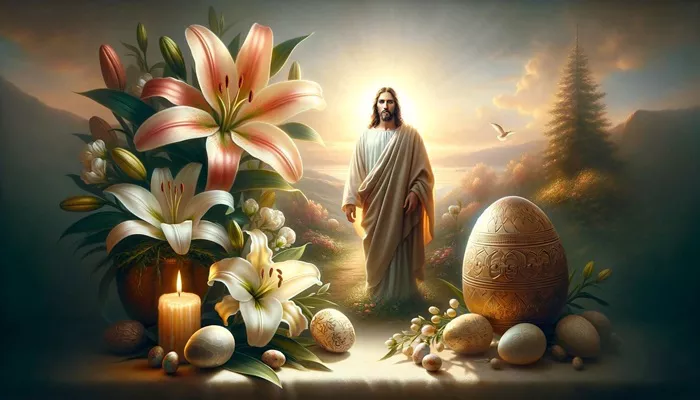
Easter Sunday is the most important day in the Christian calendar. It celebrates the resurrection of Jesus Christ from the dead. This event is the foundation of Christian faith, symbolizing hope, renewal, and eternal life. But what exactly did Jesus do on Easter Sunday? Understanding this day helps us grasp the heart of Christianity and the meaning behind Easter traditions.
This article explores what happened to Jesus on Easter Sunday, where He went, who He met, and why His resurrection matters. We will also look at how the resurrection affected His followers and what it teaches us today. Using the Bible as our primary source, we will walk through the events of that day in simple, clear language.
The Background of Easter Sunday
Before we understand Easter Sunday, we must look briefly at what happened before it. Jesus had been arrested, tried unfairly, and crucified on a Friday, now called Good Friday. He died on the cross and was buried in a tomb. His followers were devastated. They believed He was the Messiah, the Savior of the world. His death shocked them. Many of them fled, confused and afraid.
After Jesus died, His body was placed in a tomb. A large stone sealed the entrance, and Roman guards were posted to watch over it. Jewish leaders feared someone might steal His body and claim He had risen from the dead, just as He had predicted. So, everything seemed final. Jesus was gone, His followers were in mourning, and the world had moved on. But then came Sunday.
The Morning of the Resurrection
On the morning of Easter Sunday, something miraculous happened. The Bible tells us that early in the morning, women went to the tomb to anoint Jesus’ body with spices. This was a traditional burial practice. The women were Mary Magdalene, Mary the mother of James, and Salome, among others.
When they arrived, they found that the stone had been rolled away. The tomb was empty. This shocked and frightened them. According to the Gospel of Matthew, an angel appeared to them and said:
“He is not here, for He has risen, just as He said” (Matthew 28:6).
This moment was the first sign that Jesus had conquered death. The resurrection was not just a spiritual experience. It was physical and real. His body was no longer in the tomb. The angel told the women to go and tell His disciples.
Jesus Appears to Mary Magdalene
The first person to see Jesus alive was Mary Magdalene. She was deeply devoted to Him and had been present at His crucifixion. According to the Gospel of John, she stood outside the tomb, weeping. She saw two angels in white sitting where Jesus’ body had been. Then she turned and saw a man, whom she did not recognize at first.
She thought He was the gardener. But when Jesus said her name, “Mary,” she knew it was Him. She called Him “Rabboni,” which means Teacher. This personal moment showed that Jesus cared deeply for those who followed Him. He did not first appear to kings or powerful leaders. He appeared to a woman whose heart was broken. Jesus told her:
“Do not hold on to me, for I have not yet ascended to the Father” (John 20:17).
He instructed her to go and tell the disciples that He was alive. She became the first witness of the resurrection.
Jesus Meets the Other Women
In the Gospel of Matthew, Jesus also appeared to the other women as they were leaving the tomb. They were afraid but full of joy. When they saw Him, they worshiped at His feet. He told them not to be afraid and again instructed them to go and tell His disciples.
These appearances are important. In that time, the testimony of women was often not taken seriously. But Jesus chose women to be the first to see Him and to share the good news. This act gave them honor and confirmed their place in His mission.
The Guards and the Cover-Up
While the women were running to tell the disciples, something else was happening. The guards who had watched the tomb went into the city and reported what they saw. According to Matthew’s Gospel, the chief priests met with the elders and created a story. They gave the soldiers money and told them to say:
“His disciples came during the night and stole Him away while we were asleep” (Matthew 28:13).
This lie was meant to cover up the truth. But the evidence of Jesus’ resurrection could not be hidden for long.
Jesus on the Road to Emmaus
Later that same day, two of Jesus’ followers were walking to a village called Emmaus, about seven miles from Jerusalem. They were discussing everything that had happened. Jesus came alongside them, but they did not recognize Him. He asked what they were talking about.
They explained their sadness and confusion. They had hoped Jesus would redeem Israel, but He had been crucified. They also mentioned that some women had reported seeing angels and claimed He was alive. Jesus responded by explaining the Scriptures to them. He showed how the prophets had spoken about the Messiah’s suffering and resurrection.
When they reached the village, they invited Him to stay with them. At dinner, Jesus broke bread, gave thanks, and gave it to them. At that moment, their eyes were opened, and they recognized Him. Then He disappeared from their sight.
They returned to Jerusalem to tell the disciples that they had seen the Lord.
Jesus Appears to the Disciples
That same evening, Jesus appeared to His disciples. They were gathered in a locked room, afraid of the Jewish leaders. Suddenly, Jesus stood among them and said:
“Peace be with you” (John 20:19).
They were frightened, thinking He was a ghost. But Jesus showed them His hands and side. He even ate with them to prove He was truly alive. He breathed on them and said:
“Receive the Holy Spirit” (John 20:22).
This moment was the beginning of a new mission. Jesus was preparing them to continue His work.
Thomas Doubts the Resurrection
One disciple, Thomas, was not there when Jesus first appeared. When the others told him they had seen Jesus, he did not believe them. He said:
“Unless I see the nail marks in His hands and put my finger where the nails were… I will not believe” (John 20:25).
Eight days later, Jesus appeared again, and this time Thomas was with them. Jesus told him to touch His wounds and stop doubting. Thomas responded, “My Lord and my God!” Jesus said:
“Blessed are those who have not seen and yet have believed” (John 20:29).
This shows that Jesus understands human doubt, but He calls us to trust in Him.
The Meaning of the Resurrection
What Jesus did on Easter Sunday changed everything. His resurrection proved that He was the Son of God. It showed that death was not the end. For Christians, it means that sin has been defeated and that eternal life is possible. The resurrection is not just a historical event. It is the center of Christian faith.
Jesus rose not just to return to life but to bring life to others. He gave hope to the brokenhearted, courage to the fearful, and joy to the sorrowful. He began a new chapter, one where death no longer had the final word.
The Response of the Disciples
After Easter Sunday, the disciples were never the same. At first, they were afraid. But after seeing Jesus, they became bold and fearless. They went out into the world to preach the gospel. Many of them died for their faith, but they never stopped sharing the good news: Jesus is alive.
The resurrection gave them power and purpose. It turned their mourning into joy and their doubt into faith.
The Ascension and the Future Promise
Though not part of Easter Sunday, it’s important to know what happened afterward. Jesus appeared to His followers for forty days. Then He ascended into heaven. Before He left, He promised to return. Christians believe that He will one day come back to judge the world and make all things new.
How Easter Sunday Is Celebrated Today
Easter is celebrated around the world in many ways. People go to church, sing songs, and listen to sermons about the resurrection. Some churches hold sunrise services to remember the women who went to the tomb early in the morning. Others take communion, remembering Jesus’ body and blood.
Easter eggs and the Easter bunny are also popular traditions, especially for children. While these are not in the Bible, they symbolize new life and joy. The real meaning of Easter, however, is the resurrection of Jesus.
Why Easter Sunday Still Matters
Easter Sunday is not just a story from the past. It still matters today. It reminds us that no matter how dark things may seem, there is hope. It tells us that God keeps His promises. It shows us that love is stronger than death.
Jesus’ resurrection offers peace to the troubled, strength to the weak, and forgiveness to the guilty. It invites everyone to believe and receive new life.
Conclusion
On Easter Sunday, Jesus did not stay in the grave. He rose again. He met His followers, comforted them, and gave them a mission. He proved that He had power over death and sin. His resurrection was not just a miracle—it was a turning point in history.
Easter Sunday is the day that changed everything. It brought light into darkness and life into death. For Christians around the world, it is a day of celebration, a day of faith, and a day of victory. When we ask, “What did Jesus do on Easter Sunday?” the answer is clear: He rose, He appeared, He comforted, and He commissioned. And through it all, He gave the world everlasting hope.
Related topics: