
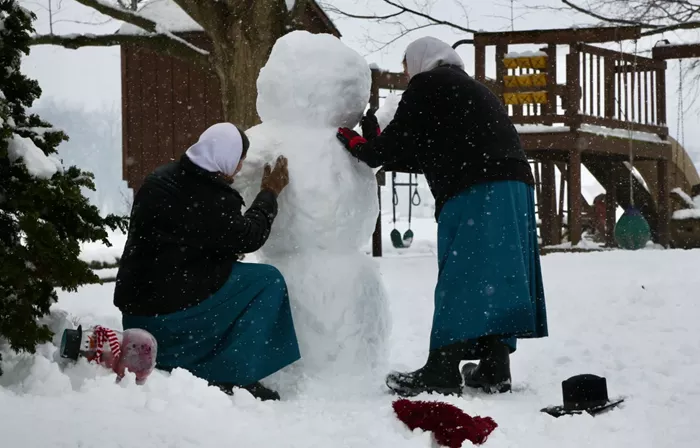
Christmas is one of the most widely celebrated holidays around the world. It marks the birth of Jesus Christ and is a season filled with joy, reflection, and family gatherings. While most people are familiar with the commercialized Christmas traditions of brightly lit streets, decorated trees, and gift exchanges, the Amish approach to Christmas is quite different. The Amish are a religious community known for their simple living, strong sense of community, and avoidance of modern technology. For them, Christmas is not about commercialism, flashy decorations, or elaborate celebrations. Instead, it is a deeply spiritual and family-centered holiday. Understanding how the Amish celebrate Christmas provides a glimpse into their values, faith, and cultural identity.
Amish Christmas traditions are rooted in their religious beliefs and lifestyle. The Amish emphasize humility, simplicity, and togetherness, which are reflected in how they mark the holiday season. Their Christmas customs blend spiritual reflection, community gatherings, and family activities. Unlike mainstream culture, the Amish focus on meaningful experiences rather than material possessions. They celebrate Christmas with reverence, hospitality, and warmth, creating a unique experience that emphasizes faith and relationships over consumerism.
In this article, we will explore how the Amish celebrate Christmas, from the preparation leading up to the holiday to the festive meals, religious observances, and social gatherings. We will also examine the role of music, gifts, and family traditions in Amish Christmas celebrations. By looking closely at these practices, we can gain insight into how the Amish maintain their cultural identity while honoring the birth of Christ.
The Significance of Christmas in Amish Life
For the Amish, Christmas is first and foremost a religious holiday. It is a time to reflect on the birth of Jesus Christ and to strengthen their faith. Unlike in many modern societies, the focus of Christmas for the Amish is not on commercial activities or entertainment. Instead, the holiday is deeply spiritual and contemplative.
The Amish believe that humility, simplicity, and devotion to God are central to their way of life. These values guide their approach to Christmas. They view the holiday as a time to gather with family, participate in worship, and celebrate the spiritual significance of Christ’s birth. The religious aspect of Christmas takes precedence over secular traditions. Attending church services, reading the Bible, and singing hymns are important components of their celebration.
While the wider society often emphasizes gift-giving and extravagant decorations, the Amish approach the holiday differently. They avoid excessive spending and public displays of wealth. This reflects their broader philosophy of living simply and focusing on community and faith. By prioritizing spiritual practices and meaningful family interactions, the Amish ensure that Christmas remains a time of genuine reflection and joy.
Preparation for the Holiday
Amish families begin preparing for Christmas weeks in advance. Preparation is both practical and spiritual. On a practical level, the Amish focus on cleaning, organizing, and preparing their homes for family gatherings. Homes are kept simple, yet they are often decorated modestly with natural ornaments, handmade crafts, and candles.
Food preparation is an essential part of the holiday. The Amish pride themselves on home-cooked meals made from fresh, locally sourced ingredients. Traditional foods are prepared well in advance, and families often work together to ensure everything is ready for Christmas Day. Baking cookies, pies, and breads is a communal activity, with children and adults participating in the process.
Spiritually, preparation involves reflection and worship. Families may spend extra time in prayer or Bible study, contemplating the meaning of Christ’s birth. This period of preparation helps the Amish focus on what is truly important during the holiday. By combining practical and spiritual preparation, Amish families create a meaningful and harmonious environment for Christmas.
Church Services and Religious Observances
Church services play a central role in Amish Christmas celebrations. Unlike some Christian communities that hold special Christmas services on December 24th or 25th, many Amish congregations may include the holiday as part of their regular worship schedule. Services are simple, focused on scripture readings, prayers, and hymns.
Singing is a significant aspect of Amish worship. Hymns are often sung without musical instruments, reflecting the Amish belief in simplicity. The songs recount the birth of Jesus, express gratitude, and emphasize faith. Congregational singing strengthens the sense of community and allows members to collectively express their devotion.
Church gatherings also provide an opportunity for fellowship. After services, members often visit one another, sharing warm conversations, homemade foods, and seasonal treats. The church is not only a place of worship but also a hub for communal bonding during the Christmas season.
Family Gatherings and Social Traditions
Family is at the heart of Amish Christmas celebrations. The holiday provides a chance for extended families to come together, sometimes traveling long distances to gather in one home. Family gatherings are intimate, warm, and filled with shared activities.
Meals are central to these gatherings. Traditional dishes vary by region but often include roast meats, potatoes, homemade breads, pies, and seasonal vegetables. Meals are enjoyed slowly, allowing for conversation and bonding. Children are encouraged to participate in meal preparation and serving, fostering a sense of responsibility and family unity.
Visiting neighbors is another common tradition. Amish families believe in fostering community ties, and Christmas provides an opportunity to demonstrate hospitality. Homemade gifts, baked goods, or simple crafts may be brought to friends and neighbors. These visits reinforce social bonds and embody the Amish values of kindness and generosity.
Decorations and Home Environment
Unlike mainstream society, the Amish do not rely on flashy lights or store-bought decorations. Their approach to decorating is simple and understated. Homes may be adorned with natural elements such as evergreens, holly, pine cones, and candles. Handmade ornaments, often created by children, add a personal and meaningful touch.
The emphasis is on creating a warm and inviting atmosphere rather than making a visual spectacle. Candles are used to symbolize light, hope, and faith, connecting the household to the spiritual significance of Christmas. This simplicity reflects the Amish belief in humility and reinforces the focus on spiritual rather than material aspects of the holiday.
Music and Singing
Music holds a special place in Amish Christmas celebrations. Hymns are sung in groups, often a cappella, without accompaniment from instruments. The songs are carefully chosen to reflect the meaning of Christmas and inspire reflection and devotion.
Children and adults alike participate in singing, which fosters a sense of community and shared purpose. Hymns are passed down through generations, preserving the musical traditions of the Amish. Singing is not just entertainment; it is a form of worship and a way to strengthen communal bonds.
Gifts and Acts of Giving
Gift-giving among the Amish is understated and purposeful. Unlike the commercialized exchange of expensive presents, Amish gifts are often homemade or practical items. Common gifts include baked goods, handcrafted toys, quilts, or simple household items.
The emphasis is on thoughtfulness rather than monetary value. Gifts are a way to express love, appreciation, and community spirit. Children may receive small treats or handmade toys, while adults exchange items that are useful or meaningful. Acts of giving extend beyond family to neighbors and friends, reinforcing the values of generosity and community support.
Traditional Foods and Festive Meals
Food is a central element of Amish Christmas celebrations. Meals are prepared with care and shared communally. The menu often includes roasted meats such as ham, turkey, or beef, accompanied by seasonal vegetables, potatoes, and homemade breads.
Baking is an important tradition. Cookies, pies, cakes, and candies are made in large quantities, both for family enjoyment and to share with neighbors. Recipes are often passed down through generations, preserving culinary heritage. Special attention is given to the presentation of the food, even though decorations are simple.
Meals are not hurried. They are a time for conversation, reflection, and bonding. Children learn about traditional foods and preparation methods, ensuring that these culinary customs are carried forward.
Role of Children in Christmas Celebrations
Children play an important role in Amish Christmas traditions. They participate in decorating, baking, and singing. They also learn about the spiritual significance of the holiday through family storytelling, Bible readings, and church activities.
While gifts are modest, the focus is on fostering gratitude, humility, and understanding of faith. Children are encouraged to contribute to the community by helping with preparations or making gifts for family and neighbors. Through these activities, children learn the values and customs that define Amish Christmas celebrations.
Community Events and Social Interaction
Community interaction is a key aspect of Amish Christmas celebrations. Beyond family gatherings, the Amish often participate in communal activities. Church socials, community dinners, and barn gatherings provide opportunities for fellowship and mutual support.
These events are characterized by simplicity, hospitality, and inclusivity. Members of the community come together to celebrate, share food, sing hymns, and exchange gifts. Social gatherings reinforce the strong sense of community and shared responsibility that is central to Amish life.
Spiritual Reflection and Worship
At the core of Amish Christmas celebrations is spiritual reflection. The holiday is a time to meditate on the birth of Jesus, consider one’s faith, and engage in prayer. Family devotionals, scripture readings, and hymn singing create an environment of contemplation and reverence.
Amish Christians view Christmas as a reminder of God’s presence and blessings. The simplicity of their celebrations allows them to focus on spiritual growth rather than material pursuits. This devotion is reflected in every aspect of their holiday, from home decorations to communal meals and acts of giving.
Conclusion
Amish Christmas celebrations are a distinctive blend of spirituality, family, and community. They emphasize simplicity, humility, and devotion, standing in contrast to the commercialized holiday practices common in mainstream society. For the Amish, Christmas is not about gifts, decorations, or consumerism. It is about faith, family, and meaningful relationships.
Through modest decorations, homemade gifts, shared meals, and communal worship, the Amish create a holiday that is deeply fulfilling and spiritually significant. Their traditions highlight the values of generosity, community, and devotion. Understanding Amish Christmas celebrations provides insight into a culture that prioritizes faith, simplicity, and connection over materialism.
In a world increasingly focused on commercial and digital distractions, the Amish approach to Christmas serves as a reminder of the true essence of the holiday. It is a time to reflect, celebrate, and strengthen the bonds of family and community. By honoring their faith and cultural heritage, the Amish offer a unique and enduring model of what Christmas can mean: a celebration of love, humility, and spiritual devotion.
Related topics: