
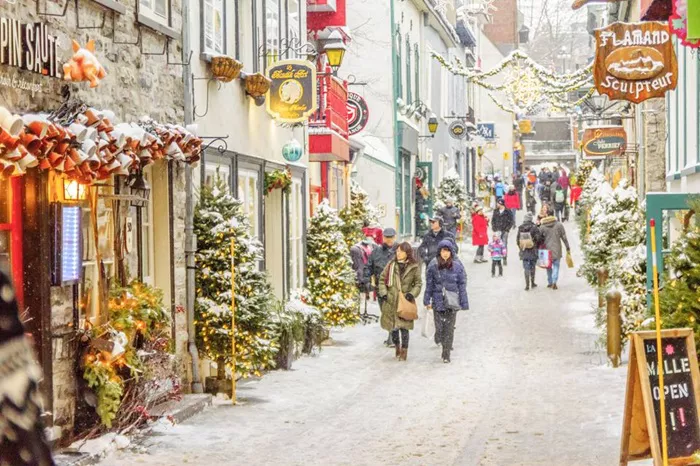
Christmas is one of the most important holidays in Canada. Every year, Canadians celebrate Christmas on December 25, commemorating the birth of Jesus Christ. This holiday is not only a religious observance but also a time for family gatherings, cultural traditions, and social celebrations. Understanding when Christmas occurs in Canada involves more than knowing the date. It requires exploring its historical roots, regional customs, and its role in modern Canadian society.
Canada’s approach to Christmas reflects its diverse population. French, British, Indigenous, and immigrant communities have all contributed to the holiday’s customs and celebrations. From festive decorations and church services to family meals and public holidays, Christmas in Canada is both a reflection of history and a vibrant contemporary festival.
The Date of Christmas and Public Holiday Status
Christmas in Canada is celebrated on December 25 each year. This date is a statutory holiday, meaning most Canadians have the day off work and schools are closed. Businesses, government offices, and most public services shut down, allowing families to spend time together. The holiday is also marked by religious observances, including church services, nativity plays, and candlelight ceremonies.
In addition to December 25, December 26 is observed as Boxing Day. Originally a day to give gifts to the poor, Boxing Day in Canada has become known for shopping and retail sales. While distinct from Christmas Day in its origin, Boxing Day is considered part of the broader Christmas celebration period. Together, these days form a festive season that extends from mid-December to early January in many communities.
Historical Background of Christmas in Canada
Christmas has its roots in Christian religious tradition, celebrating the birth of Jesus Christ. In Canada, Christmas has been shaped by multiple cultural influences. Early settlers from France and Britain brought their own customs, which merged with local Indigenous traditions.
During the French colonial period, Christmas was a primarily religious holiday. Communities attended midnight Mass, and festive activities focused on spiritual observance. After British influence increased, secular customs, such as family gatherings, exchanging gifts, and festive meals, became more prominent.
Indigenous communities also contributed unique elements to Canadian Christmas celebrations. In certain regions, traditional songs, dances, and winter rituals were integrated into the holiday, blending European Christian practices with local cultural expression. Over time, these diverse influences shaped a uniquely Canadian way of celebrating Christmas.
Traditional Canadian Christmas Customs
Family Gatherings and Festive Meals
Christmas is a time for family reunions. Many Canadians gather on Christmas Eve (December 24) to share meals and celebrate together. Traditional foods vary by region and cultural background but often include roast turkey, ham, potatoes, vegetables, and Christmas desserts such as pudding or pies.
On Christmas Day, families exchange gifts and spend time enjoying each other’s company. Decorations, such as Christmas trees, lights, wreaths, and nativity scenes, play an important role in creating a festive atmosphere. Communities often host parades, tree-lighting ceremonies, and public performances, which bring residents together and enhance the holiday spirit.
Religious Observances
For many Canadians, church services remain central to Christmas. Catholic, Protestant, and Orthodox congregations hold services that emphasize the spiritual significance of the holiday. Midnight Mass, Christmas hymns, and nativity reenactments are common practices. These religious observances coexist with secular celebrations, demonstrating the dual nature of Christmas in Canada as both a sacred and social festival.
Regional Variations
Christmas celebrations in Canada can differ significantly depending on the region. In Quebec, for example, French-Canadian traditions such as Réveillon, a long Christmas Eve feast, are still widely practiced. In the Maritimes, coastal communities may incorporate local seafood into their festive meals. In western provinces, the influence of British settlers is more evident, with a stronger emphasis on gift-giving and public decorations.
Urban centers, such as Toronto, Vancouver, and Montreal, host large-scale holiday events, including Christmas markets, concerts, and light displays. Rural communities often focus on smaller, community-based celebrations that emphasize family and neighborly connections.
Modern Cultural Significance
Today, Christmas in Canada blends religion, culture, and commerce. While many Canadians maintain traditional religious practices, the holiday has also become a time of general celebration, charity, and social activity. Seasonal music, movies, and television specials contribute to the festive mood, while charitable initiatives remind people of the holiday’s message of giving and goodwill.
Canadian Christmas traditions are continually evolving. Immigrant communities bring new foods, customs, and artistic expressions, further enriching the celebration. The holiday season often stretches from late November to early January, encompassing Christmas, Boxing Day, and New Year festivities, making it one of the most vibrant times of the year in Canada.
Conclusion
Christmas in Canada is celebrated on December 25. However, the significance of the holiday extends beyond the date itself. It is a period of family connection, cultural expression, and social celebration. Rooted in Christian tradition yet shaped by diverse cultural influences, Christmas in Canada demonstrates how historical practices and modern interpretations coexist.
By understanding when Christmas is celebrated and how it is observed across Canada, we gain insight into the country’s cultural diversity, historical development, and social values. Christmas in Canada is not just a holiday; it is a festival that embodies hope, generosity, and community spirit.
Related topics: