
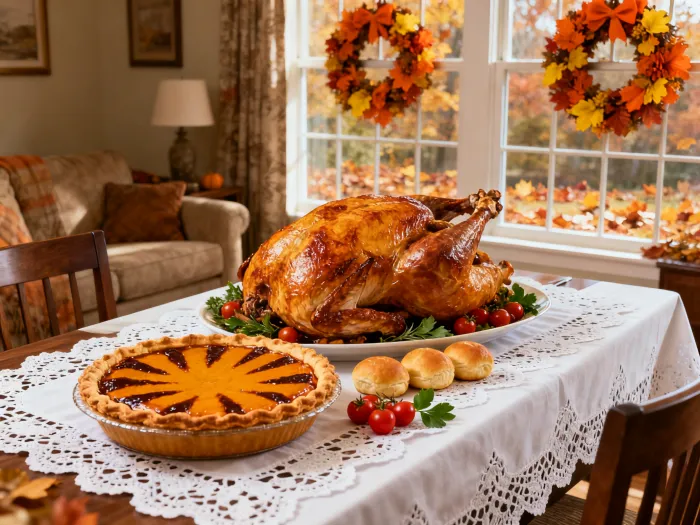
Thanksgiving Day is a beloved annual holiday in the United States. It is celebrated with food, family, and a generous dose of gratitude. In 2026, Thanksgiving will fall on Thursday, November 26th. People from coast to coast will gather around tables loaded with turkey, stuffing, and pumpkin pie. But what exactly is Thanksgiving? Why do millions of Americans risk the dangers of overcooked turkeys and awkward dinner conversations every year? Let’s dive into the rich, sometimes funny history of Thanksgiving Day.
Historical Roots: Pilgrims, Parties, and Pumpkins
The origins of Thanksgiving date back to 1621. A group of English settlers known as the Pilgrims landed in Plymouth, Massachusetts. They were not very good at farming (or at surviving New England winters). Thankfully, their Native American neighbors shared knowledge and food. The Pilgrims and the Wampanoag tribe had a three-day feast that autumn. They ate corn, deer, and probably something that tasted nothing like modern pumpkin pie.
Over time, Thanksgiving became a tradition in different colonies. In 1863, President Abraham Lincoln declared it a national holiday during the Civil War. He hoped Americans would take a moment to be thankful—even if their mashed potatoes were lumpy.
Modern Traditions: Turkeys and Touchdowns
Today’s Thanksgiving celebrations have evolved in humorous ways. For starters, there is the famous turkey. Each year, Americans roast about 46 million turkeys—some perfectly golden brown; others resembling something from a science fiction movie. Families also debate whether cranberry sauce should be homemade or straight from a can (the can-shaped jelly remains undefeated).
Football is another staple of modern Thanksgiving. People gather around their TVs to watch professional teams battle it out while they themselves battle for the last piece of pie. And let’s not forget the Macy’s Thanksgiving Day Parade—a spectacle of giant balloons floating through New York City and brave souls dressed as clowns trying not to trip.
Giving Thanks: More Than Just Food
At its core, Thanksgiving is about gratitude. People take time to reflect on what they are thankful for—family, friends, good health, or simply surviving Aunt Linda’s stories about her cats. Some families go around the table sharing what they appreciate most. Others volunteer at soup kitchens or donate food to those in need.
The holiday also marks the unofficial start of the holiday season. After dessert comes shopping—Black Friday madness begins as soon as the last bite is swallowed.
Thanksgiving Around the World
While Thanksgiving is most famous in the United States, similar harvest festivals exist globally. Canada celebrates its own Thanksgiving in October—giving Canadians an early excuse for overeating. Germany has Erntedankfest (“Harvest Thanks Festival”), featuring parades and lots of bread.
These festivals all share one goal: celebrating abundance and expressing thanks (with varying levels of gravy involved).
Why Celebrate in 2026?
In 2026, Thanksgiving offers a chance to pause amidst busy lives and digital distractions. It’s an opportunity to reconnect with loved ones—even if you have to endure Dad’s jokes or Grandma’s questionable casserole recipes.
So whether you’re hosting a grand feast or enjoying leftovers alone with your cat (like Aunt Linda), Thanksgiving remains a day for gratitude and togetherness.
Conclusion: The Spirit of Thankfulness
Thanksgiving Day in 2026 promises laughter, delicious food, and heartfelt moments. It reminds us that sometimes the best things in life come wrapped in gravy—or in simple acts of kindness.
So this November 26th, raise your fork (or spoon), share your thanks—and try not to burn the turkey!
Related topics: