
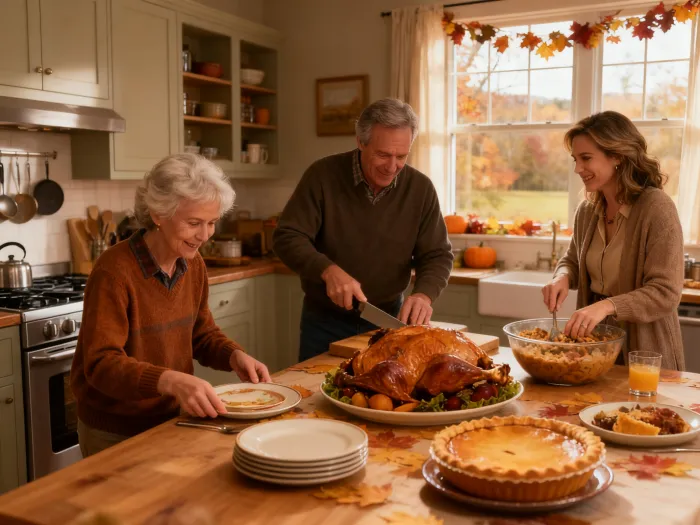
Thanksgiving is a significant festival celebrated primarily in the United States and Canada. It is observed on the fourth Thursday of November in the United States and on the second Monday of October in Canada. Thanksgiving is a time when people gather with family and friends to express gratitude for the blessings they have received throughout the year. This article explores what Thanksgiving does for individuals, communities, and society as a whole.
Origins of Thanksgiving
Thanksgiving has historical roots that date back to the early 17th century. The tradition originated with English Pilgrims and Native Americans sharing a harvest meal in 1621. This event is often regarded as the first Thanksgiving. Over time, the festival evolved into a national holiday, symbolizing unity, gratitude, and reflection.
Promoting Gratitude
One of the main purposes of Thanksgiving is to encourage gratitude. People take time to reflect on their lives and appreciate what they have. Expressing thanks can improve mental well-being and foster positive relationships. Families often share what they are thankful for before meals. This act helps build stronger emotional bonds among loved ones.
Strengthening Family Bonds
Thanksgiving brings families together. Many travel long distances to reunite with relatives. Shared meals and traditions help create lasting memories. These gatherings provide opportunities for family members to connect, communicate, and support each other. The holiday strengthens family ties and promotes a sense of belonging.
Fostering Community Spirit
Beyond families, Thanksgiving also strengthens community bonds. Many people volunteer at shelters or donate food to those in need. Community events such as parades and charity drives encourage collective participation. These activities promote empathy and support for less fortunate members of society.
Encouraging Reflection
Thanksgiving offers a moment for reflection on both personal achievements and challenges faced during the year. It allows individuals to evaluate their actions, set future goals, and make plans for improvement. Reflection during Thanksgiving can lead to personal growth and greater resilience.
Cultural Traditions
The festival is marked by various cultural traditions. The most prominent tradition is sharing a meal that typically includes turkey, stuffing, mashed potatoes, cranberry sauce, and pumpkin pie. Watching football games and participating in parades are also popular activities. These customs help preserve cultural heritage and offer entertainment for all ages.
Economic Impact
Thanksgiving has considerable economic effects. Retailers offer sales events such as Black Friday, which follows the holiday in the United States. Restaurants, grocery stores, and travel companies experience increased business due to holiday preparations. The festival stimulates economic activity while providing opportunities for businesses to engage with customers.
Challenges Associated with Thanksgiving
While Thanksgiving brings many benefits, it can also pose challenges. Some individuals may feel isolated if unable to join gatherings. The pressure to prepare elaborate meals may cause stress for hosts. Additionally, not everyone has access to enough food or resources during this time. Addressing these issues through community outreach can make the holiday more inclusive.
Modern Perspectives
In recent years, there has been increased discussion about the historical context of Thanksgiving. Some groups use this time to raise awareness about indigenous histories and experiences. The holiday provides an opportunity for education and dialogue about cultural diversity and respect.
Conclusion
Thanksgiving serves multiple purposes: it promotes gratitude, strengthens family and community bonds, encourages reflection, preserves traditions, and supports economic activity. Despite certain challenges, its overall impact remains positive for individuals and society alike. By understanding what Thanksgiving does, people can better appreciate its significance and contribute meaningfully to their communities.
Related topics: