
Thanksgiving is one of the most celebrated holidays in the United States. Every year, families gather to share a festive meal, with roast turkey as the centerpiece. But how did turkey become so closely linked with Thanksgiving? This article explores the historical roots and cultural evolution of this tradition.
A Glimpse into Early Thanksgiving Feasts
The first Thanksgiving is often traced back to 1621, when Pilgrims and Wampanoag Native Americans shared a harvest meal in Plymouth, Massachusetts. Historical records describe a variety of foods at this feast, including wildfowl, venison, corn, and seafood. While there is mention of “wild fowl,” it is unclear if turkey was specifically served. Ducks and geese were more common in New England at that time.
Turkey’s Rise in Colonial America
Turkeys are native to North America and were familiar to both Native Americans and European settlers. By the late 1600s and early 1700s, turkey became increasingly popular among colonists. Its large size made it suitable for feeding many people, especially during communal gatherings.
The Influence of Sarah Josepha Hale
One key figure in establishing turkey as a Thanksgiving staple was Sarah Josepha Hale. A prominent writer and magazine editor in the mid-19th century, Hale campaigned for Thanksgiving to become a national holiday. Through her articles and letters to political leaders, she promoted the idea of a home-cooked meal centered around roast turkey. Her advocacy helped shape public perception and culinary tradition.
Abraham Lincoln and National Recognition
In 1863, President Abraham Lincoln declared Thanksgiving a national holiday. This proclamation was influenced by Sarah Josepha Hale’s persistent efforts. By this time, serving turkey had already become customary for many American families during fall harvest festivals. Lincoln’s official endorsement further cemented turkey’s role as the main dish.
Practical Reasons for Choosing Turkey
There are several practical reasons why turkey became associated with Thanksgiving:
- Availability: Turkeys were plentiful across North America.
- Size: A single bird could feed a large family or group.
- Seasonality: Turkeys were usually slaughtered in late fall, aligning with harvest celebrations.
- Symbolism: As a native species, turkey represented American abundance.
Turkey in Popular Culture and Traditions
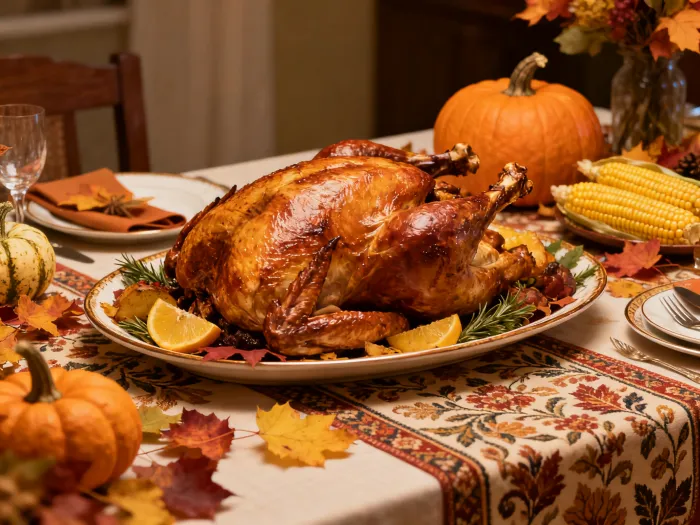
Over time, turkey became embedded in American culture through cookbooks, advertisements, and media portrayals. The image of a golden-brown roast turkey surrounded by family has come to symbolize Thanksgiving itself. Schools teach children about the “First Thanksgiving” featuring turkeys, even though historical accuracy is debated.
Modern-Day Celebrations
Today, millions of Americans enjoy turkey on Thanksgiving Day. Whether roasted, smoked, or fried, turkey is served alongside traditional sides like stuffing, cranberry sauce, and pumpkin pie. The tradition has also spread beyond the United States to Canada and other countries influenced by American culture.
Conclusion: An Evolving Tradition
The tradition of eating turkey on Thanksgiving is not traced to one single person or event. Instead, it evolved over centuries through practical choices, cultural influences, and national movements. Figures like Sarah Josepha Hale played a significant role in popularizing the holiday meal we know today. As families continue to gather each year around tables filled with food and gratitude, the story of Thanksgiving—and its iconic turkey—remains an important part of American heritage.
Related topics: