
Good Friday and Easter are two of the most significant days in the Christian calendar. Many people celebrate these days with religious ceremonies, family gatherings, and community events. Despite their connection, there is often confusion about whether Good Friday is the same as Easter Day. This article aims to clarify this question. We will explore the meanings, history, and differences between Good Friday and Easter Day in detail. By the end, readers will have a clear understanding of the significance of both days.
Understanding Good Friday
Good Friday is observed by Christians to remember the crucifixion of Jesus Christ. It occurs on the Friday before Easter Sunday. On this day, Christians reflect on the suffering and sacrifice of Jesus. The day is marked by prayer, fasting, and church services. In many countries, it is a public holiday. Good Friday is considered a solemn day of mourning and contemplation rather than celebration. It is called “Good” because Christians believe Jesus’ death led to the salvation of humanity.
The Meaning of Easter Day
Easter Day, also known as Easter Sunday, is the day Christians celebrate the resurrection of Jesus Christ. It comes after Good Friday, usually two days later. Easter is a joyful occasion that signifies hope, renewal, and life after death. The resurrection of Jesus is central to Christian belief. Easter traditions vary worldwide but often include attending church services, feasting, and festive activities like egg hunts. Unlike Good Friday, Easter is a day of celebration and happiness.
Historical Background of Good Friday and Easter
The events of Good Friday and Easter are rooted in the Christian Gospels. According to these texts, Jesus was arrested, tried, and crucified on a Friday, which is now commemorated as Good Friday. His body was placed in a tomb, and on the third day, Christians believe he rose from the dead. This resurrection is celebrated as Easter Sunday. Over centuries, these days became central to Christian faith, shaping religious practices and cultural traditions around the world.
Differences Between Good Friday and Easter Day
Many people confuse Good Friday with Easter Day, but the two are different in several ways:
- Date: Good Friday occurs before Easter Sunday.
- Purpose: Good Friday is for remembering Jesus’ death, while Easter celebrates his resurrection.
- Mood: Good Friday is solemn, while Easter Day is joyful.
- Traditions: Good Friday involves fasting and reflection. Easter includes church services, family meals, and festive events.
Religious Significance of Good Friday
Good Friday holds deep religious meaning. It reminds Christians of the sacrifice Jesus made for humanity. Many believers attend special church services, known as Stations of the Cross, which depict Jesus’ journey to crucifixion. Some churches hold three-hour services to reflect on the time Jesus spent on the cross. Good Friday also emphasizes themes of humility, forgiveness, and compassion, which are central to Christian teachings.
Religious Significance of Easter Day
Easter Sunday is the most important day in the Christian calendar. It celebrates the resurrection of Jesus, which signifies the victory of life over death. Christians believe that through resurrection, eternal life is offered to all believers. Easter services often include hymns, prayers, and joyful sermons. The resurrection also represents hope and renewal, inspiring people to live with faith and purpose.
Customs and Traditions Associated With Good Friday
Good Friday traditions vary across countries and denominations. Common practices include:
- Attending church services and prayer meetings.
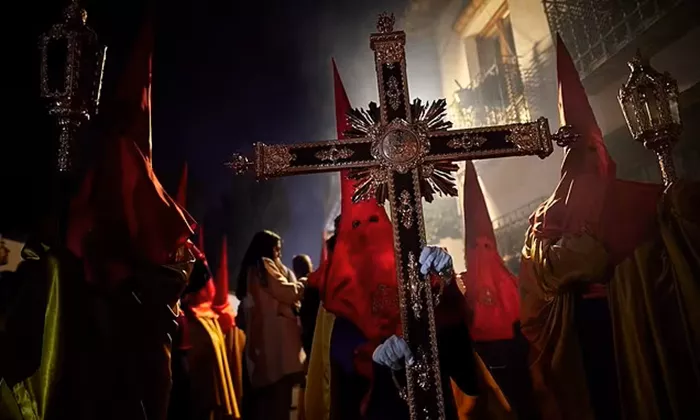
- Participating in processions that depict the crucifixion.
- Observing fasting or abstaining from meat.
- Reflecting on the Passion of Christ through meditation or scripture reading.
These traditions are designed to honor Jesus’ sacrifice and encourage spiritual reflection.
Customs and Traditions Associated With Easter Day
Easter traditions are generally celebratory. Popular customs include:
- Attending sunrise church services.
- Decorating and hunting Easter eggs, which symbolize new life.
- Sharing festive meals with family and friends.
- Exchanging gifts and participating in community events.
These practices highlight joy, renewal, and the hope offered by resurrection.
Common Misconceptions
Many people mistakenly believe Good Friday and Easter Day are the same. The confusion arises because both days are closely linked in the Easter period. However, remembering the order of events helps clarify this misconception: Good Friday commemorates the death of Jesus, and Easter Sunday celebrates his resurrection. Both days are essential in understanding Christian beliefs, but their purposes and emotions are distinct.
Why the Distinction Matters
Understanding the difference between Good Friday and Easter Day is important for several reasons:
- Religious observance: Different rituals are required for each day.
- Cultural understanding: It helps people respect and participate in traditions appropriately.
- Spiritual reflection: Recognizing the solemnity of Good Friday enhances appreciation for the joy of Easter.
Global Observance
Both Good Friday and Easter are observed worldwide, but customs differ. In many countries, Good Friday is a public holiday. Easter celebrations often include community events and local traditions. Countries with strong Christian populations have unique ways to honor these days, combining religious observances with cultural festivities.
Conclusion
Good Friday is not Easter Day. Good Friday commemorates the crucifixion of Jesus Christ and is a solemn day of reflection. Easter Sunday celebrates the resurrection and is a joyful occasion. Both days are deeply connected in Christian tradition, but they serve different purposes. Understanding the difference enhances religious observance, cultural awareness, and personal reflection. Recognizing the unique significance of each day allows believers and observers alike to fully appreciate the depth of these important events in the Christian calendar.
Related topics: