
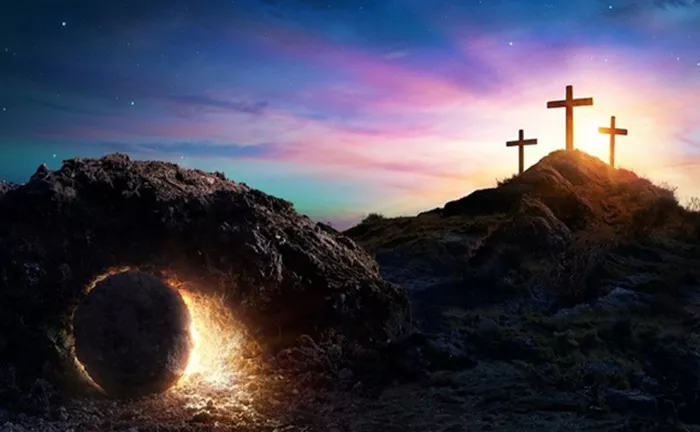
Good Friday and Easter Sunday are two of the most significant days in the Christian calendar. They are part of the Holy Week celebrations and mark the central events of the Christian faith. Good Friday commemorates the crucifixion of Jesus Christ, while Easter Sunday celebrates His resurrection. These days are observed worldwide by millions of Christians with various traditions and customs.
The dates of Good Friday and Easter Sunday are not fixed. They change every year according to the lunar calendar, which makes understanding when these holidays fall particularly interesting. This article provides a detailed guide to understanding the dates, significance, history, and traditions of Good Friday and Easter Sunday.
The Significance of Good Friday
Good Friday is observed on the Friday before Easter Sunday. It is a day of mourning, reflection, and prayer for Christians. The day marks the crucifixion and death of Jesus Christ at Calvary. Many churches hold special services, often including the reading of the Passion of Christ, prayers, and hymns.
Good Friday is a solemn day, and many Christians fast or abstain from certain pleasures to honor the sacrifice of Jesus. It is also common for communities to hold processions, enactments of the Passion, and silent meditation. The observance of Good Friday emphasizes the themes of suffering, sacrifice, and redemption, which are central to Christian theology.
The Importance of Easter Sunday
Easter Sunday is the celebration of the resurrection of Jesus Christ, which is considered the cornerstone of Christian faith. Easter represents victory over sin and death, offering believers hope of eternal life. It is the culmination of Holy Week and the end of the Lenten season, which is a period of fasting, prayer, and penance lasting forty days.
Easter Sunday is marked by joyful celebrations. Church services are held to celebrate the resurrection, often featuring music, flowers, and candlelight. Families gather to share meals, and traditions such as Easter egg hunts and the giving of chocolate eggs have become common, symbolizing new life and renewal.
How the Dates Are Determined
The dates of Good Friday and Easter Sunday are calculated based on the lunar calendar. Specifically, Easter Sunday falls on the first Sunday following the full moon that occurs on or after the vernal equinox, which is around March 21. Consequently, Easter can fall anywhere between March 22 and April 25.
Good Friday always occurs two days before Easter Sunday. Since Easter’s date changes each year, Good Friday also shifts accordingly. This calculation method was established by the Council of Nicaea in 325 AD to create a unified date for Easter celebrations across the Christian world.
Good Friday and Easter Sunday in Different Christian Traditions
Different Christian denominations may have variations in observing these days. Roman Catholics, Orthodox Christians, and Protestants all recognize Good Friday and Easter Sunday, but their dates and rituals can differ slightly.
For instance, the Eastern Orthodox Church uses the Julian calendar, so Orthodox Easter often falls on a different date than Western Easter. Despite these differences, the core significance of Christ’s crucifixion and resurrection remains the same.
Common Traditions on Good Friday
Good Friday is observed with solemnity and reflection. Some common traditions include:
Church Services
Churches often hold special services that include readings from the Bible, hymns, and prayers. The focus is on the suffering and death of Jesus.
Fasting and Abstinence
Many Christians fast on Good Friday, limiting meals or avoiding meat. This practice honors the sacrifice of Jesus and encourages self-discipline and reflection.
Processions and Reenactments
In many countries, communities hold processions that dramatize the crucifixion of Christ. These events may involve actors, music, and symbolic crosses.
Common Traditions on Easter Sunday
Easter Sunday is celebrated with joy and festivity. Common traditions include:
Church Celebrations
Church services on Easter Sunday are often elaborate. They include joyous hymns, readings about the resurrection, and sometimes candlelight services at sunrise, symbolizing the empty tomb.
Easter Eggs and Symbolism
Easter eggs are a popular symbol of new life and resurrection. People decorate eggs or use chocolate eggs for Easter egg hunts, especially for children.
Family Gatherings and Meals
Families come together to celebrate Easter with meals that may include special breads, roasts, and desserts. These gatherings reinforce community and family bonds.
How Good Friday and Easter Sunday Affect Public Life
In many countries, Good Friday and Easter Sunday are recognized as public holidays. Businesses may close, and special events are organized. In some countries, Good Friday is a solemn day with restrictions on entertainment and public celebrations, while Easter Sunday is marked by festivals and parades.
Historical Background of Good Friday and Easter Sunday
The history of these holidays dates back to early Christianity. Early Christians observed the death and resurrection of Jesus through fasting, prayer, and gatherings. Over centuries, customs evolved, and regional traditions developed, including the use of Easter eggs, special breads, and public processions.
Modern Celebrations Around the World
Today, Good Friday and Easter Sunday are celebrated globally. In Europe, church services and processions remain central. In the United States, Easter egg hunts and parades are common. In Latin America, elaborate Holy Week celebrations include reenactments, music, and community rituals.
Understanding the Spiritual Meaning
Both Good Friday and Easter Sunday carry deep spiritual significance. Good Friday reminds Christians of the cost of sin and the power of sacrifice. Easter Sunday celebrates the triumph of life over death, offering hope and renewal to believers.
Practical Tips for Observing Good Friday and Easter Sunday
For those wanting to observe these holidays, consider the following tips:
Plan Church Attendance
Check local church schedules for Good Friday and Easter Sunday services. Many churches offer special services and programs for families.
Engage in Reflection and Prayer
Use Good Friday as a day of reflection and meditation. Consider reading scripture passages related to the Passion of Christ.
Celebrate Family Traditions
Plan family activities for Easter Sunday, such as egg hunts, shared meals, or attending sunrise services. Encourage participation and teaching the meaning of the holiday.
Conclusion
Good Friday and Easter Sunday are essential celebrations in the Christian faith. While Good Friday emphasizes the suffering and sacrifice of Jesus Christ, Easter Sunday celebrates His resurrection and the promise of new life. Understanding the dates, traditions, and spiritual meaning of these holidays allows believers and non-believers alike to appreciate their significance. By observing these days, individuals can reflect on themes of sacrifice, hope, and renewal, making them important occasions for both personal reflection and communal celebration.
Related topics: