
Every year, people across the world celebrate Easter with joy, family gatherings, and various traditions. One of the most well-known and beloved Easter symbols is the egg. Eggs are commonly associated with Easter, often used in decorations, hunts, and even feasts. But have you ever wondered why eggs have become such an integral part of this religious holiday? The celebration of Easter with eggs is deeply rooted in history, culture, and symbolism. In this article, we will explore the origins of this tradition, its symbolism, and how eggs became so closely tied to Easter.
The Symbolism of the Egg
The egg is a symbol of new life, rebirth, and fertility. These meanings align perfectly with the themes of Easter, which celebrates the resurrection of Jesus Christ and the promise of new beginnings. The egg, being a vessel of life, represents the empty tomb of Jesus Christ after His resurrection. The connection between eggs and Easter can be traced back to early Christian traditions, as well as pagan festivals that celebrated fertility and renewal of life.
The Historical Origins of Easter Eggs
The practice of using eggs as a symbol during Easter dates back to ancient civilizations. In pre-Christian times, eggs were often associated with springtime festivals. These festivals celebrated the end of winter and the arrival of a new season filled with life. The ancient Egyptians, Greeks, and Romans, for example, believed eggs to be a symbol of fertility and rejuvenation. It was not until the early Christian era that the egg became connected specifically to the celebration of Jesus’ resurrection.
The Medieval Tradition
During the Middle Ages, eggs were often forbidden during Lent, the 40-day period leading up to Easter. As a result, eggs that were laid during this time were collected and preserved. At the end of Lent, these eggs were often decorated and consumed as part of the Easter celebrations. The act of decorating eggs became a significant part of the Easter festivities in many European cultures.
The Influence of Christianity on the Easter Egg Tradition
Christianity has played a significant role in shaping the Easter egg tradition. According to one of the most widely accepted Christian explanations, the egg represents the sealed tomb of Jesus. Just as a chick hatches from an egg, Jesus emerged from the tomb, signifying His resurrection. The shell of the egg is also seen as a metaphor for the stone that sealed the tomb, which was rolled away when Jesus rose from the dead.
Egg Decorating: A Timeless Tradition
One of the most famous Easter customs is the decoration of eggs. Decorating eggs for Easter has become a beloved tradition in many cultures around the world. These eggs are often painted, dyed, or adorned with intricate designs and symbols that carry various meanings. In some cultures, these eggs are also exchanged as gifts, representing the sharing of new life and blessings.
Why Do We Paint Easter Eggs?
Painting Easter eggs is an ancient practice that dates back to the 13th century. The tradition of painting eggs likely stems from the practice of using eggs as a medium to symbolize the joy of resurrection. The colorful decorations on the eggs serve as an expression of joy and celebration, marking the end of the solemn season of Lent and the arrival of Easter Sunday.
The Role of Easter Egg Hunts
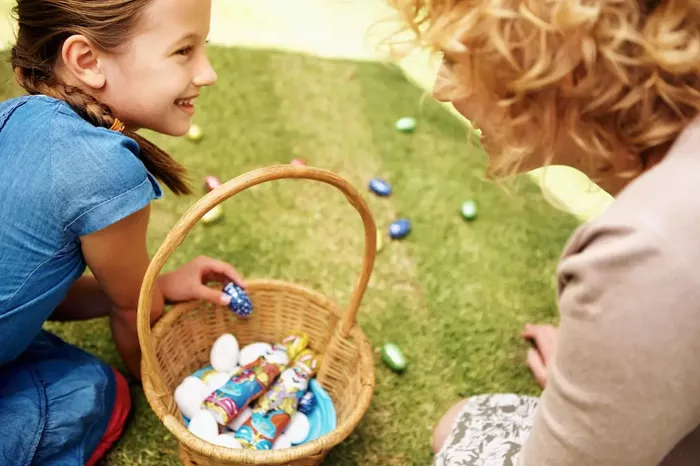
The Easter egg hunt is another popular tradition that has become synonymous with the holiday. Children search for hidden eggs, often filled with candy or small gifts, in gardens or other outdoor spaces. The origins of the Easter egg hunt are thought to have developed from the older custom of egg rolling, which was a game in which participants rolled eggs down a hill. The egg roll symbolized the rolling away of the stone from Jesus’ tomb. Over time, the tradition evolved into the modern-day Easter egg hunt, which is now enjoyed by families around the world.
The Cultural Significance of Easter Eggs Around the World
Easter egg traditions vary widely across cultures, but the symbolism of the egg remains a constant theme. Different countries have their unique ways of celebrating Easter with eggs, and many of these customs have been passed down through generations.
Eastern European Easter Eggs
In Eastern Europe, particularly in countries like Ukraine, Poland, and Russia, Easter eggs are often decorated with elaborate, intricate designs. Known as “Pysanky” in Ukraine, these eggs are created using a wax-resist method, where beeswax is applied to the egg’s surface before it is dyed. The designs are often symbolic and reflect the country’s rich folklore and religious heritage. These eggs are highly valued and are often used as offerings or given as gifts during the Easter holiday.
Greek Easter Eggs
In Greece, Easter eggs are traditionally dyed red to symbolize the blood of Christ. The eggs are often exchanged with family and friends during Easter celebrations. A popular game played during Greek Easter is known as “tsougrisma,” where participants try to crack each other’s eggs. The person whose egg remains uncracked is believed to have good luck for the coming year.
American Easter Eggs
In the United States, Easter egg traditions are also widely celebrated. The White House Easter Egg Roll, held annually on the White House lawn, is one of the most famous events in the country. Children gather to roll decorated eggs down a hill, continuing the tradition of egg rolling as a symbol of the resurrection. In addition, many American families participate in Easter egg hunts and enjoy decorating eggs with vibrant colors and patterns.
Modern-Day Easter Eggs: A Fun and Festive Tradition
Today, Easter eggs are more than just symbols of rebirth and resurrection. They have become a fun, festive tradition enjoyed by people of all ages. From egg hunts to egg rolling competitions, Easter eggs bring people together in celebration. In modern times, eggs are often filled with chocolates, candy, or small toys, making them even more exciting for children.
Chocolate Easter Eggs
Chocolate Easter eggs have become a staple of modern Easter celebrations. These eggs are typically hollow and filled with various treats. The tradition of chocolate Easter eggs dates back to the early 19th century when chocolatiers in Europe began making eggs out of chocolate to celebrate the holiday. Today, chocolate eggs are produced in a wide variety of shapes, sizes, and flavors, and they are enjoyed by both children and adults alike.
Why Eggs Are Still Popular Today
The enduring popularity of Easter eggs can be attributed to their deep symbolism, rich history, and the joy they bring during the holiday season. Whether they are used in egg hunts, decorated for display, or enjoyed as chocolate treats, Easter eggs continue to be a beloved tradition. The eggs represent new beginnings, the promise of spring, and the resurrection of Jesus Christ, all of which are central themes of the Easter celebration.
Conclusion
In conclusion, the tradition of celebrating Easter with eggs is a practice that has deep historical and cultural roots. From ancient times, eggs have symbolized new life, rebirth, and fertility. Over time, these meanings were embraced by early Christians and became associated with the resurrection of Jesus Christ. The practice of decorating and exchanging eggs has evolved into a fun and festive tradition enjoyed by people around the world. Whether it’s through the decoration of eggs, the excitement of egg hunts, or the indulgence in chocolate treats, Easter eggs continue to play a vital role in the celebration of this joyous holiday.
Related topics: