
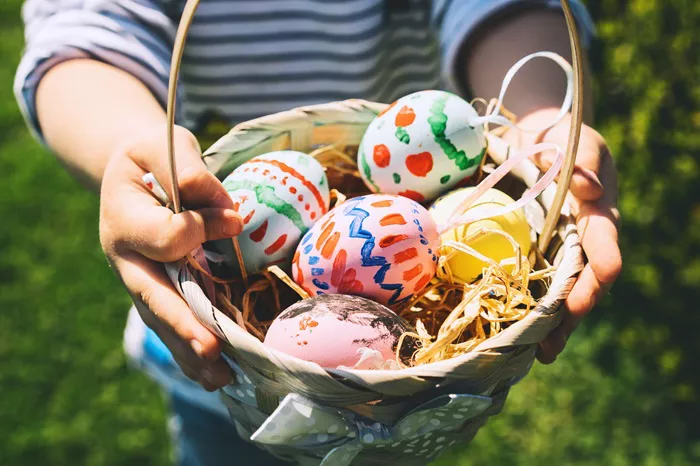
Easter is one of the most important holidays in the Christian calendar. It marks the resurrection of Jesus Christ from the dead, symbolizing hope, renewal, and new life. One of the most popular traditions associated with Easter is decorating eggs. This colorful and creative activity has been a part of the holiday for centuries, but the question remains: Why do we decorate eggs for Easter? In this article, we will explore the history, symbolism, and cultural significance behind this beloved custom.
The History of Decorating Eggs for Easter
The tradition of decorating eggs for Easter can be traced back to ancient times. Eggs have long been a symbol of fertility, new life, and rebirth, making them a natural fit for Easter celebrations. Early Christians, particularly in Eastern Europe, began using eggs to symbolize the resurrection of Jesus. Over time, the practice of decorating eggs became more widespread, and different cultures developed their own unique styles and techniques for decorating eggs.
One of the earliest references to decorated Easter eggs comes from the Orthodox Christian tradition. In these early days, eggs were often dyed red to symbolize the blood of Christ. The custom then spread to other parts of the world, evolving into the colorful and creative egg designs we see today.
Symbolism of Easter Eggs
The egg itself is a powerful symbol. In Christianity, the egg represents the tomb from which Jesus emerged alive. The hard shell symbolizes the sealed tomb, while the act of cracking open the egg symbolizes Christ’s resurrection. The egg, in its simplest form, stands as a metaphor for life and renewal, aligning perfectly with the themes of Easter.
In many cultures, eggs also symbolize fertility and the promise of new beginnings. During ancient spring festivals, eggs were often given as gifts to celebrate the return of warmer weather and the fertility of the land. This connection between eggs and rebirth made them a fitting symbol for Easter.
Why Eggs Are Decorated
While eggs are symbolic, decorating them adds an extra layer of meaning to the tradition. The act of decorating eggs is a way of celebrating the joy of Easter and expressing creativity. Throughout history, people have used different materials, colors, and techniques to decorate eggs, each adding its own significance.
In the past, eggs were dyed using natural materials such as onion skins, beet juice, and flower petals. These natural dyes created beautiful and earthy tones, giving each egg a unique appearance. Over time, people began experimenting with more vibrant colors and intricate designs, such as patterns, pictures, and even religious symbols.
Decorating eggs also became a communal activity. Families and communities would gather to paint, dye, and design eggs together, turning it into a fun and interactive tradition. This sense of togetherness and the joy of creating something beautiful is an important part of why people continue to decorate eggs for Easter today.
Different Ways to Decorate Easter Eggs
Over the years, the methods for decorating Easter eggs have evolved. While traditional dyeing and painting are still popular, modern techniques offer new ways to make eggs even more special. Here are a few common methods:
- Dyed Eggs: The most traditional method, eggs are soaked in dye to create vibrant colors.
- Painted Eggs: Some people prefer to paint intricate designs on their eggs, often using brushes or markers.
- Decoupage: This method involves gluing decorative paper or fabric onto the egg for a unique, textured look.
- Etching: By carefully scratching or etching designs into the surface of the egg, artists can create intricate, delicate patterns.
- Glitter Eggs: Adding glitter to eggs is a fun and sparkling way to make them stand out during Easter celebrations.
Many cultures also have their own special techniques for decorating eggs. For example, in Ukraine, the tradition of “pysanky” involves writing intricate, symbolic designs on eggs using beeswax and dye. These eggs are often used as gifts or tokens of good luck.
Cultural Significance of Easter Eggs Around the World
The tradition of decorating eggs is not confined to one culture or country. Across the globe, different societies have their own unique ways of incorporating decorated eggs into their Easter celebrations. Here are a few examples:
- In Russia: The tradition of decorating eggs is called “krashanka,” and the eggs are often dyed in red or gold to represent the resurrection of Christ. Russian Orthodox Christians also exchange eggs as gifts during Easter.
- In Greece: Greek Orthodox Christians decorate eggs using natural dyes, particularly red, to symbolize the blood of Christ. These eggs are often cracked in a playful competition during Easter celebrations.
- In the United States: The White House hosts an annual Easter Egg Roll, where children participate in races and games using decorated eggs. The event has become a fun and family-friendly tradition in the U.S.
- In Germany: Many German towns decorate trees and public spaces with colorful Easter eggs as part of their Easter celebrations. This custom is called “Osterbaum” or Easter Tree.
Eggs as Gifts and Tokens of Good Luck
In many cultures, decorated eggs are also given as gifts. The egg is seen as a symbol of good luck, prosperity, and well-wishing for the recipient. In Eastern European countries, for example, eggs are often exchanged as gifts between friends and family members, signifying new beginnings and a prosperous year ahead.
In some cultures, it is believed that decorated eggs bring good fortune and protection. For instance, in parts of Russia, it is customary to give decorated eggs to loved ones as a way of wishing them health and happiness in the year to come.
Conclusion
Decorating eggs for Easter is a time-honored tradition that is rich in history, symbolism, and cultural significance. Whether as a representation of the resurrection of Christ, a symbol of new life, or simply as a way to celebrate the holiday, decorated eggs continue to hold a special place in Easter celebrations around the world. From the early dyed eggs of Eastern Europe to the intricate pysanky of Ukraine, the act of decorating eggs is both an artistic expression and a communal activity that brings people together to celebrate the joy of Easter.
Ultimately, decorating eggs for Easter is a practice that connects generations, cultures, and communities in the shared joy of renewal and rebirth. As long as Easter is celebrated, the tradition of decorating eggs will likely continue to be a beloved part of the holiday season.
Related topics: