
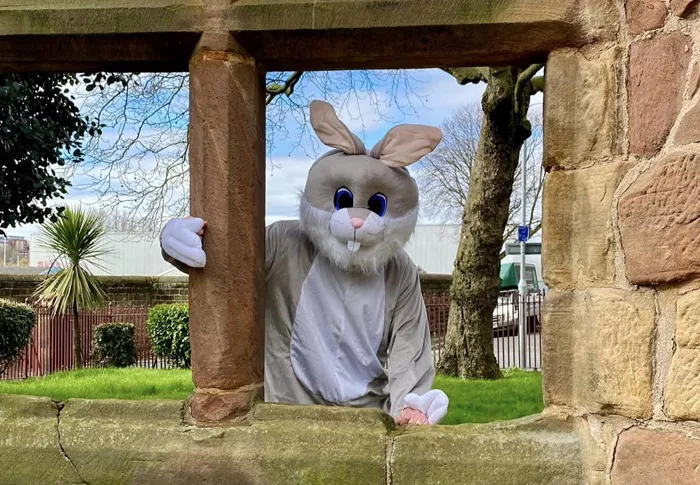
The Easter Bunny is one of the most beloved symbols of the spring season. Each year, children around the world look forward to Easter eggs, chocolate bunnies, and the promise of hidden treats. But where did this furry character come from? How did a rabbit become connected with a Christian holiday? In this article, we will explore the origins of the Easter Bunny, tracing its history through folklore, religion, and cultural change. We will also examine how different cultures celebrate this figure today. This story spans centuries, blending ancient traditions and modern celebrations, making it a fascinating journey into cultural history.
The Symbolism of Rabbits in Ancient Traditions
Long before the Easter Bunny appeared, rabbits and hares played important roles in ancient cultures. These animals were admired for their fertility and vitality. In many early societies, rabbits became symbols of life and renewal. This connection makes sense because rabbits reproduce quickly. Ancient people often used natural symbols to represent the cycle of the seasons. Rabbits, seen as energetic and fertile creatures, fit well into springtime celebrations that welcomed new life after winter.
In pagan Europe, festivals celebrated the return of spring. These festivals included symbols of fertility such as eggs, flowers, and animals. Rabbits and hares frequently appeared in myths and artwork across Europe. In some Germanic traditions, hares were connected with moon goddesses. For example, the Anglo-Saxon goddess Eostre was sometimes linked with hares. Although little is known about Eostre’s worship, later writers mentioned a spring festival in her honor. It is possible that these early spring customs helped shape later Easter traditions.
The Christian Festival of Easter
Easter is a major Christian holiday that celebrates the resurrection of Jesus Christ. This event is central to Christian belief. The timing of Easter is connected to the Jewish festival of Passover. Both holidays occur in spring and share themes of liberation and rebirth. As Christianity spread across Europe, it absorbed and adapted pre-existing cultural traditions. Many symbols of spring found new meaning within Christian celebrations. Eggs, for example, came to represent the tomb of Christ and the promise of new life.
Early Christians did not include rabbits in Easter traditions. Instead, the focus was on religious observance, such as church services and fasting. However, as Christianity spread among rural communities, local customs began to influence how Easter was celebrated. Springtime symbols associated with renewal and fertility gradually became part of Easter festivities. It was in this blending of traditions that the humble rabbit began to find a place in Easter lore.
The First Written Mentions of the Easter Bunny
The first known written reference to an Easter Bunny appears in a German text from the 1600s. This text described a tradition in which children would make nests for an egg-laying hare called the “Osterhase” or “Oschter Haws.” According to the story, this hare would visit during the Easter season and lay brightly colored eggs for good children. This tradition was similar to how some cultures describe Santa Claus leaving gifts on Christmas Eve.
This early Easter Hare was not unique to one town. It appeared in folklore across parts of Germany. Children would build nests in their homes or gardens and hope for a visit from the Easter Hare. These nests were usually made of grass, and the eggs were often real eggs colored at home. Over time, the idea of the Easter Hare evolved. In some communities, the animal changed from a hare to a rabbit. This change may have been related to the fact that rabbits were more common in people’s daily lives than hares.
The Journey to America
When German immigrants settled in North America in the 18th century, they brought their Easter traditions with them. In Pennsylvania, families continued the custom of the “Osterhase.” Children prepared nests for the egg-laying rabbit. This practice spread to other regions of the United States as immigrants shared cultural traditions with their neighbors.
Over time, the term “Easter Bunny” became more common in America. The role of this character expanded beyond hiding eggs. Soon, the Easter Bunny was also associated with baskets filled with candy and toys. Commercial production of chocolate rabbits and Easter treats began in the 19th century. By the early 20th century, the Easter Bunny had become a central figure in American Easter celebrations, especially for children.
Eggs and the Bunny: A Cultural Pairing
The Easter Bunny did not originally bring eggs. The connection between the bunny and eggs developed over time. Eggs had long been symbols of fertility and rebirth. Many ancient cultures used eggs in spring celebrations. Christians later adopted the egg as a symbol of Jesus’ resurrection. Decorating eggs became a popular Easter custom in many countries.
When the Easter Bunny tradition spread, it naturally mixed with these existing practices. Children expected the bunny to bring colored eggs. Soon, chocolates shaped like eggs and rabbits began appearing. Today, in many places, the Easter Bunny hides both eggs and treats during Easter egg hunts. These activities make the holiday exciting for families and communities.
Folklore Variations Around the World
Different cultures have their own versions of Easter gift-bringers. In parts of Europe, for example, some children believed that a fox brought treats at Easter. In Switzerland, a cuckoo bird played a similar role. In Eastern Orthodox traditions, the focus remains more on religious observance, and secular characters like the Easter Bunny play a smaller role. In some countries, children receive gifts from figures such as St. Nicholas or the Christ Child instead of an Easter Bunny.
Despite these differences, many countries have adopted the Easter Bunny in some form. The bunny’s friendly image appeals to children and families. Its association with spring and new life makes it a fitting, though secular, companion to religious celebrations. Cultural exchange through migration, trade, and media spread the idea of the Easter Bunny far beyond its German roots.
Easter Egg Hunts and Modern Traditions
One of the most popular Easter traditions involving the Easter Bunny is the egg hunt. In an Easter egg hunt, adults hide eggs around a garden, park, or home. Children then search for these hidden treasures. The eggs may be real, hard-boiled and colored, plastic filled with candy, or chocolate. Egg hunts can be simple home activities or part of larger community events.
Many communities host annual Easter egg hunts in public spaces. Some events attract hundreds of families. In larger cities, egg hunts can include music, games, and visits from costumed characters. These activities bring people together and create joyful memories. The Easter Bunny often appears at these events, greeting children and posing for photographs. In this way, the legend continues to grow and evolve.
The Easter Bunny in Popular Culture
The Easter Bunny has become a popular figure in books, movies, and television. Stories aimed at children often feature the bunny as a kind and magical character. In some fictional worlds, the Easter Bunny lives in a whimsical land where he prepares eggs and chocolates all year long. These stories help keep the tradition alive and encourage creative thinking. They also reinforce themes of kindness, sharing, and celebration.
Commercial influences have also shaped how the Easter Bunny is portrayed. Chocolatiers and confectionery companies produce a wide range of bunny-shaped sweets each year. Department stores feature displays with giant Easter Bunnies and pastel decorations. These commercial expressions blend tradition with seasonal marketing. For many families, the appearance of Easter Bunny merchandise signals the start of spring festivities.
Religious vs. Secular Interpretations
The role of the Easter Bunny varies depending on cultural and religious contexts. For many Christian families, Easter centers on worship and reflection. The resurrection of Jesus Christ remains the most important aspect of the holiday. In these contexts, the Easter Bunny and egg hunts may be seen as fun, secular traditions that complement the religious observance.
Other families view Easter primarily as a cultural celebration. For them, the Easter Bunny, colorful eggs, and springtime activities are the main focus. The balance between religious and secular elements differs from place to place and family to family. What remains consistent is the joy that the Easter season brings, whether through faith, community activities, or family traditions.
The Easter Bunny’s Impact on Tradition
The Easter Bunny has endured because it resonates with themes important to springtime celebrations. Its link to fertility, renewal, and joy connects with ancient symbolism and modern practices. The bunny also brings a sense of playfulness that appeals to children. By blending ancient customs with newer cultural practices, the Easter Bunny has become a beloved figure in many parts of the world.
Over time, the Easter Bunny has adapted to meet the needs of changing societies. From folklore origins in Germany to worldwide celebrations, this character remains a powerful symbol of spring. Its ability to bridge cultural and religious traditions speaks to the universal appeal of renewal and hope.
Conclusion
The Easter Bunny’s journey from ancient symbolism to modern tradition shows how culture evolves. Beginning as a springtime symbol of fertility, the rabbit became linked with Easter through folklore and migration. German settlers brought the Osterhase to America, where the Easter Bunny grew into a central part of holiday celebrations. Today, the Easter Bunny represents renewal, joy, and community for many families. Whether viewed through religious, cultural, or secular lenses, this beloved character continues to delight children and adults alike. Its story reminds us that traditions can change and thrive across generations, keeping the spirit of celebration alive.
Related topics: