
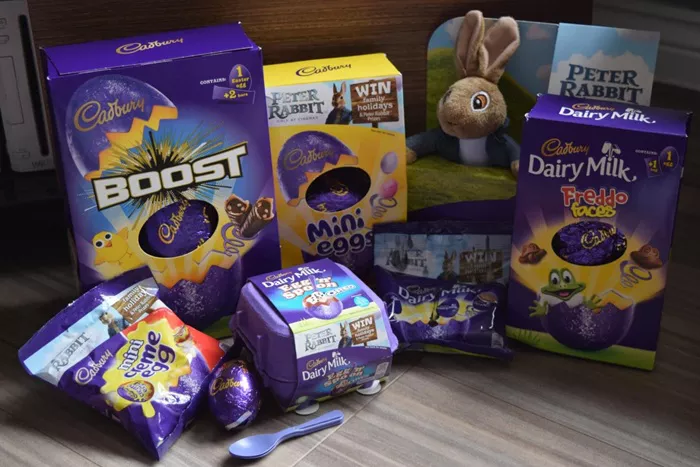
The sight of colorful Cadbury Crème Eggs during Easter has become a beloved tradition for many. These sugary treats have become synonymous with the Easter holiday, sparking curiosity about why they are only available during this particular season. In this article, we will explore the reasons behind the limited seasonal availability of Cadbury Eggs, touching on marketing strategies, historical context, and consumer behavior.
The Origins of Cadbury Crème Eggs
Cadbury Crème Eggs have a rich history that dates back to the 1960s. They were first introduced by the Cadbury company in 1967 as a way to create a unique and indulgent chocolate experience. With their distinctive egg-shaped design and creamy, sweet filling, they quickly became a favorite treat during the Easter season.
The concept of a chocolate egg filled with something sweet was not entirely new. However, Cadbury’s version stood out due to the innovative combination of milk chocolate and a white and yellow fondant center. This unique design played a crucial role in cementing the association of the Cadbury Egg with Easter, as the egg itself became a symbol of rebirth and renewal—key themes during the holiday.
Marketing Strategy: Capitalizing on Seasonality
One of the primary reasons Cadbury Eggs are only sold during Easter is due to strategic marketing decisions. Seasonal products have long been a tool for creating consumer anticipation and excitement. By limiting the availability of Cadbury Eggs to just a few months each year, the brand has created a sense of exclusivity that increases demand.
When a product is available year-round, it can lose its novelty. By restricting Cadbury Eggs to a specific season, Cadbury ensures that customers look forward to their arrival each year. The anticipation of their limited availability heightens consumer interest and encourages people to buy them in larger quantities when they are on store shelves. This tactic helps generate a sense of urgency, as people know they can only enjoy them during a particular time of the year.
The Role of Easter in Cadbury’s Branding
Easter is an important holiday for many people, especially in countries like the United Kingdom and the United States. For Cadbury, aligning its flagship product with the celebration of Easter was a natural choice. The holiday’s themes of renewal, rebirth, and celebration of life mirror the symbolic value of eggs in many cultures. In addition, Easter is a time when people are more likely to indulge in sweet treats, making it the ideal occasion for the launch of Cadbury Eggs each year.
Cadbury has built its marketing efforts around the connection between its chocolate eggs and Easter, even using this relationship in advertisements and packaging. The emphasis on Easter in Cadbury’s promotional materials strengthens the association between the holiday and the product, making the availability of Crème Eggs even more anticipated.
Cadbury’s Competitive Advantage
In addition to tapping into the seasonality trend, limiting the sale of Cadbury Eggs to Easter gives Cadbury a competitive edge over other confectionery brands. While many companies offer Easter-themed chocolate products, Cadbury’s Crème Eggs are seen as a premium choice. The brand’s long-standing reputation for quality and its association with the Easter holiday make it stand out in the crowded market of seasonal treats.
By focusing on Easter, Cadbury also capitalizes on the tradition of Easter egg hunts. Families often engage in these hunts, and chocolate eggs are a central part of the celebrations. As Cadbury Eggs have become a household name in relation to Easter festivities, they have solidified their place as the go-to treat during the season, enhancing their appeal year after year.
Consumer Behavior and Tradition
Consumer behavior plays a significant role in the continued success of Cadbury Eggs. Over time, people have come to expect the arrival of these chocolate eggs around Easter, creating a yearly tradition. This tradition becomes ingrained in consumers’ minds, making them eager to purchase the product as part of their Easter celebrations.
The connection between Cadbury Eggs and the holiday becomes even more profound when families include them in their Easter baskets, using them to celebrate with loved ones. By associating the product with festive activities, Cadbury has positioned itself as a staple during this time of year.
The Emotional Appeal of Cadbury Eggs
Another reason for the seasonal success of Cadbury Eggs lies in their emotional appeal. Chocolate has long been associated with happiness, celebration, and indulgence. The creamy filling of Cadbury Eggs offers a unique sensory experience that elevates the feeling of enjoyment. During the Easter holiday, when families and friends gather to celebrate, Cadbury Eggs provide a moment of sweet nostalgia and indulgence.
The limited availability of these eggs makes them feel even more special, adding to their emotional value. People look forward to their return each year, and once they are available, they are eagerly consumed as part of a cherished holiday tradition.
Impact of Easter on Cadbury Egg Sales
The influence of Easter on Cadbury Egg sales is profound. Research indicates that sales of Cadbury Crème Eggs spike dramatically in the weeks leading up to Easter, with some reports showing an increase of up to 50%. This surge is largely driven by both the historical significance of the product and the power of seasonal marketing.
Cadbury Eggs are so closely associated with the holiday that they have become an integral part of the Easter candy landscape. While other chocolate manufacturers produce seasonal eggs, none have quite matched the strong consumer connection to Cadbury Crème Eggs. As a result, their exclusivity helps drive up sales and solidifies their place as a holiday favorite.
Conclusion
In conclusion, the reason Cadbury Eggs are only sold at Easter is a combination of historical, cultural, and marketing factors. From their origins as a unique chocolate product to their strategic positioning during the Easter season, Cadbury Eggs have become a symbol of the holiday. By limiting their availability, Cadbury creates a sense of exclusivity and anticipation, driving consumer demand and ensuring the product’s continued success.
The emotional appeal of Cadbury Eggs, combined with their strong connection to Easter traditions, has made them a staple during the holiday. As long as the marketing strategy continues to emphasize their limited-time availability, Cadbury Eggs will likely remain a beloved part of Easter celebrations for many years to come.
Related topics: