
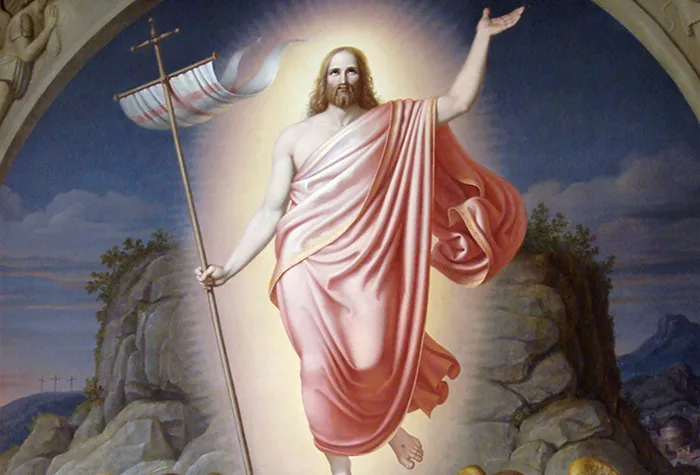
The resurrection of Jesus Christ is one of the most significant events in Christianity. It is celebrated every year around the world, primarily during the festival known as Easter. But why is this particular day called “Easter”? The name, its origins, and its significance all play a crucial role in understanding how the event came to be recognized and celebrated across the globe. In this article, we will explore the origins of Easter, its biblical connection, and why the resurrection of Jesus is uniquely associated with this holiday.
Understanding the Resurrection of Jesus
Jesus’ resurrection is a central theme in Christian theology. According to the Bible, after Jesus was crucified on the cross, he was buried in a tomb. However, three days later, he rose from the dead, which is seen as a victory over sin and death. This miraculous event is not only a cornerstone of Christian belief but also a symbol of hope and renewal for believers worldwide.
The resurrection is seen as proof of Jesus’ divine nature and the fulfillment of God’s promise of salvation. It is commemorated on what is known as Easter Sunday, which falls on the first Sunday after the first full moon following the vernal equinox, typically between March 22 and April 25 each year.
The Origins of the Name “Easter”
The term “Easter” itself is an interesting one. It is not directly mentioned in the Bible, nor does it have a clear linguistic connection to the events of Jesus’ resurrection. The origins of the word “Easter” are believed to trace back to pre-Christian traditions, specifically from pagan festivals in Northern Europe.
One theory suggests that the name “Easter” derives from “Eostre” or “Ostara,” a pagan goddess associated with spring and fertility. Eostre was celebrated during the spring equinox, a time of renewal and rebirth, which aligns symbolically with the resurrection of Jesus. The Anglo-Saxons, who were among the first to convert to Christianity, may have adopted the name “Easter” to coincide with both the spring festival and the Christian celebration of the resurrection.
The Role of the Church in Establishing the Name
As Christianity spread across Europe, the Church sought to integrate certain aspects of local culture and traditions, including the names of festivals. In doing so, the name “Easter” became the common term for the celebration of Jesus’ resurrection, particularly in the English-speaking world. In other languages, the name for the holiday is often derived from the Latin word “Pascha,” which comes from the Hebrew word “Pesach,” meaning Passover.
Despite the pagan origins of the name, the Church’s decision to adopt it was a strategic one. By aligning the Christian celebration of the resurrection with the pre-existing spring festival, it made it easier for people to transition from their old religious practices to Christianity. This helped to establish Easter as a prominent celebration in the Christian liturgical calendar.
Connection Between Easter and the Passover
Another key factor in understanding the timing and significance of Easter is its connection to the Jewish festival of Passover. Jesus’ crucifixion and resurrection occurred during the time of Passover, which commemorates the liberation of the Israelites from slavery in Egypt. Jesus, as a Jew, would have observed the Passover meal with his disciples before his death. The events of his crucifixion and resurrection, therefore, are deeply intertwined with the Jewish traditions of redemption and deliverance.
In early Christianity, the resurrection of Jesus was closely linked to the Passover festival. In fact, the original Greek term for Easter, “Pascha,” is derived from “Pesach,” the Hebrew word for Passover. Over time, as Christianity became more distinct from Judaism, the name “Easter” began to replace “Pascha” in many parts of the world, although the underlying connection remained intact.
The Significance of Easter for Christians
Easter is not only a commemoration of Jesus’ resurrection but also a celebration of hope and renewal. For Christians, it represents the promise of eternal life through Jesus’ victory over death. This event is seen as the foundation of Christian faith, as it affirms the belief in life after death and God’s ultimate power over all things.
During Easter, Christians gather to celebrate the resurrection with church services, prayers, hymns, and rituals such as the lighting of the Paschal candle. The resurrection of Jesus also serves as a reminder of God’s love and sacrifice for humanity, as well as a call to live according to the teachings of Christ.
Modern Easter Celebrations
Today, Easter is celebrated around the world with a combination of religious and secular traditions. Church services, particularly the Easter Vigil, are held to mark the resurrection. In addition, various cultural customs such as Easter egg hunts, the Easter Bunny, and festive meals have become part of the holiday’s modern observance.
The Easter egg, for example, is a symbol of new life and resurrection. The tradition of decorating eggs dates back to ancient times and has become a common activity for children during the Easter season. The Easter Bunny, a figure rooted in pre-Christian fertility symbolism, is another popular figure associated with the holiday, although it has more to do with secular celebrations than the religious meaning of Easter.
Conclusion
The name “Easter” has a complex and multifaceted history that reflects both religious and cultural influences. While the word itself may have pagan origins, it has become inseparably linked with the celebration of Jesus’ resurrection and the Christian faith. Through its connection to the Passover, its symbolic ties to spring, and its integration into Christian liturgical practices, Easter has evolved into one of the most important holidays in the Christian calendar. It is a time for Christians to reflect on the hope, renewal, and victory over death that Jesus’ resurrection represents.
Related topics: