
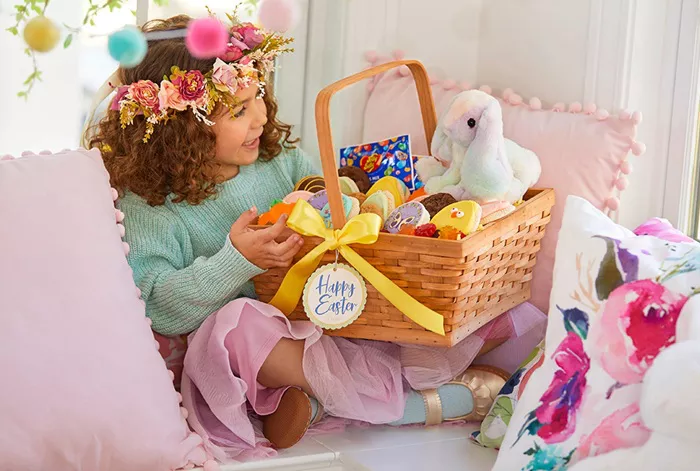
Easter is one of the most important festivals in the Christian calendar. It celebrates the resurrection of Jesus Christ after his crucifixion. For many, it is a time of joy, renewal, and family gatherings. One of the most popular traditions during Easter is gift-giving. People give each other gifts, especially children, as part of the celebrations. But why do we give gifts for Easter? This article explores the history, meaning, and customs behind this practice. It also explains the symbolism and cultural aspects of Easter gifts.
The Religious Significance of Easter
To understand why we give gifts for Easter, it is important to know the religious background of the festival. Easter celebrates the resurrection of Jesus Christ, which symbolizes life, hope, and new beginnings. In Christianity, this event is the foundation of faith. Giving gifts during this time can be seen as an expression of love, gratitude, and celebration of life.
The Resurrection of Jesus
Jesus’ resurrection is central to Easter. Christians believe that through his resurrection, humanity receives the promise of eternal life. This theme of renewal and new life is reflected in the gifts we exchange. Gifts symbolize the joy of life and the hope for a better future.
The Role of Gratitude in Religion
Religious teachings often encourage generosity and kindness. Giving gifts at Easter is a way to practice these values. It is an expression of gratitude for blessings, love, and family. By sharing gifts, people reinforce social bonds and spiritual connections.
The Historical Origins of Easter Gift-Giving
Gift-giving at Easter is not a modern invention. Its roots can be traced back to ancient traditions, both religious and cultural. Understanding these origins helps explain why the practice has become so widespread.
Pagan Traditions and Spring Festivals
Before Christianity, many cultures celebrated spring as a season of renewal and fertility. Festivals included the exchange of gifts, especially food and small tokens of luck. These pagan customs influenced early Christian practices. Easter, which occurs in spring, naturally incorporated gift-giving as part of the celebration of life and abundance.
Early Christian Practices
Early Christians celebrated Easter with special meals and gatherings. They also gave symbolic gifts, such as eggs, which represented new life. These gifts were not commercial but held deep religious meaning. Over time, these practices evolved into the Easter gift traditions we know today.
Popular Easter Gifts and Their Meanings
Today, Easter gifts come in many forms. Some are religious, while others are more playful or decorative. Each type of gift has a symbolic meaning connected to Easter.
Easter Eggs
Easter eggs are perhaps the most iconic gifts. Eggs symbolize new life, resurrection, and fertility. Traditionally, eggs were dyed or painted to celebrate the season. Today, chocolate eggs and plastic eggs filled with candy are common gifts for children.
Easter Baskets
Easter baskets are a popular way to give multiple gifts at once. They often contain candies, toys, and small treats. The basket itself symbolizes abundance and the joy of giving. For children, finding gifts in a basket adds excitement and fun to the celebration.
Chocolate and Candy
Chocolate and candy are now central to Easter gift-giving. These sweets symbolize celebration and indulgence after the fasting period of Lent. Giving chocolate is a way to share happiness and make the occasion memorable, especially for children.
Religious Gifts
Some people give gifts with religious significance, such as crosses, rosaries, or Bibles. These gifts remind recipients of the spiritual meaning of Easter. They also strengthen faith and provide a tangible connection to Christian teachings.
Why Gift-Giving is Important During Easter
Giving gifts during Easter has more than just symbolic or religious value. It serves several social and emotional purposes that enhance the festival.
Strengthening Family Bonds
Easter is a time for family gatherings. Gift-giving helps to bring family members together. It encourages shared activities, such as egg hunts and meal preparation. Gifts act as tokens of love and appreciation within families.
Teaching Generosity to Children
For children, receiving gifts at Easter is exciting. It is also an opportunity to teach them the value of giving. Many families encourage children to share candies or small gifts with siblings and friends. This helps develop empathy, kindness, and generosity from an early age.
Celebrating Joy and Renewal
Easter is a joyful festival. Giving gifts amplifies this joy. It is a way to express happiness, celebrate achievements, and look forward to new beginnings. Gifts become symbols of hope, renewal, and positivity.
Modern Easter Gift Traditions Around the World
Gift-giving customs vary across cultures. Different countries have unique ways of celebrating Easter, which influences the types of gifts given.
United States
In the U.S., Easter gifts often include chocolate, candy, and toys. Easter egg hunts and baskets are central to the celebration. Families organize community events and children participate in fun activities to find hidden eggs.
Europe
In European countries such as Germany and France, Easter gifts often include chocolate eggs, marzipan, and small toys. In some places, gifts are hidden in gardens for children to find. Religious gifts are also more common in countries with strong Christian traditions.
Australia and New Zealand
In Australia and New Zealand, Easter gifts are similar to those in the United States. Chocolate eggs, bunnies, and candies are popular. Outdoor activities, such as egg hunts and family picnics, are also common due to the spring weather.
Latin America
In Latin American countries, Easter gifts often focus on religious items. Crosses, religious figurines, and books are common. However, chocolate and candies are increasingly becoming popular for children.
The Psychological Impact of Giving Easter Gifts
Gift-giving has psychological benefits. It is not only about tradition or fun but also about emotional and mental well-being.
Promoting Happiness
Giving gifts releases endorphins in both the giver and receiver. This increases feelings of happiness and satisfaction. Easter gifts, in particular, create positive memories associated with family and celebration.
Building Connections
Gift-giving strengthens social bonds. It communicates care, love, and attention. During Easter, exchanging gifts helps reinforce relationships within families, among friends, and in communities.
Encouraging Gratitude
Receiving and giving gifts fosters gratitude. Children learn to appreciate kindness, and adults reconnect with the joy of giving. Gratitude enhances emotional well-being and strengthens community spirit.
Conclusion
Giving gifts for Easter is a tradition that combines religious, cultural, and social elements. From ancient pagan festivals to modern celebrations, the practice has evolved but retained its core purpose: to celebrate life, joy, and renewal. Easter gifts, whether eggs, candies, baskets, or religious items, symbolize love, hope, and generosity. They strengthen family bonds, teach valuable life lessons, and create lasting memories. Ultimately, gift-giving during Easter is a meaningful way to honor the festival and share happiness with others.
Related topics: