
Easter is one of the most important festivals in the Christian calendar. It is a time of joy, reflection, and celebration for millions of people around the world. Many people associate Easter with colorful eggs, chocolate treats, and family gatherings, but the festival carries a deeper spiritual meaning. Understanding why Easter is celebrated helps us appreciate the traditions, customs, and cultural significance associated with this holiday.
The Religious Significance of Easter
The primary reason for celebrating Easter is religious. For Christians, Easter marks the resurrection of Jesus Christ after his crucifixion. According to Christian beliefs, Jesus was crucified on Good Friday and rose from the dead three days later, on Easter Sunday. This event is seen as the fulfillment of prophecies in the Bible and a symbol of victory over sin and death.
The Story of Jesus’ Resurrection
The resurrection story begins with Jesus’ crucifixion in Jerusalem. After his death, his body was placed in a tomb, and a large stone was rolled across the entrance. On the third day, followers discovered the tomb was empty, and angels announced that Jesus had risen. This event forms the foundation of the Easter celebration and is central to Christian faith.
Good Friday and Holy Week
Before Easter, Christians observe Holy Week. This week commemorates the final days of Jesus’ life. Good Friday, which falls two days before Easter Sunday, remembers Jesus’ crucifixion and sacrifice. It is a solemn day marked by prayer, fasting, and reflection on the suffering of Jesus.
The Symbolism of Easter
Easter is full of symbols that carry deep meaning. Many of these symbols come from both religious and cultural traditions. They help people connect with the spiritual and festive aspects of the holiday.
The Easter Egg
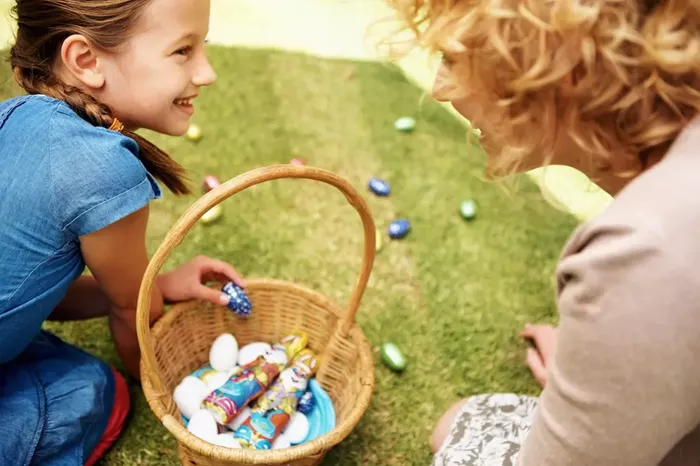
The Easter egg is one of the most recognizable symbols of the holiday. Eggs symbolize new life and rebirth. Decorating eggs and giving them as gifts is a tradition that dates back hundreds of years. Many families use colored eggs to create Easter egg hunts for children, adding fun and excitement to the celebration.
The Easter Bunny
The Easter Bunny is another popular symbol. This fictional rabbit brings Easter eggs to children, representing fertility and life. The Easter Bunny tradition originated from European folklore and became a common part of modern Easter celebrations.
Flowers and Springtime
Easter coincides with spring in the Northern Hemisphere. Flowers such as lilies and tulips are used to decorate homes and churches. These flowers symbolize purity, hope, and the renewal of life, reinforcing the theme of resurrection and new beginnings.
Cultural and Family Traditions
In addition to religious observances, Easter is celebrated with a variety of cultural and family traditions. These practices vary across countries but share common themes of joy, togetherness, and generosity.
Family Gatherings and Meals
Many families celebrate Easter with special meals and gatherings. Foods like roasted lamb, ham, and seasonal vegetables are often part of the feast. Sharing meals strengthens family bonds and creates lasting memories during the holiday.
Easter Egg Hunts
Easter egg hunts are a favorite activity for children. Adults hide eggs filled with candies, coins, or small toys, and children search for them. This activity combines fun with the symbolic theme of discovering new life and blessings.
Parades and Community Events
In many countries, communities organize parades, fairs, and church services to celebrate Easter. These events bring people together to celebrate faith, culture, and community. Traditional music, dancing, and performances often accompany these festivities.
The Global Celebration of Easter
Easter is celebrated differently around the world, reflecting local traditions and cultures. While the core meaning remains the resurrection of Jesus, the customs vary widely.
Europe
In Europe, countries like Spain and Italy hold elaborate processions and religious ceremonies. In Germany, decorating trees with eggs, known as Osterbaum, is a common practice. In the United Kingdom, many communities participate in egg rolling competitions and church services.
United States
In the United States, Easter is celebrated with both religious and secular activities. Church services, family meals, and egg hunts are popular. The White House even hosts an annual Easter Egg Roll on the lawn, attracting families from across the country.
Other Regions
In Australia, the Easter Bilby replaces the Easter Bunny in some regions to raise awareness about endangered native animals. In Latin America, Holy Week is observed with processions, reenactments, and community celebrations.
Modern Interpretations of Easter
Today, Easter combines religious, cultural, and commercial elements. While many people attend church and reflect on the spiritual significance, others focus on family activities, gifts, and community events. This blend of traditions ensures that Easter remains meaningful for diverse populations.
Commercial Celebrations
Modern Easter often involves exchanging chocolate, candies, and gifts. Retailers promote Easter-themed products, and communities host fairs and markets. These commercial aspects complement traditional celebrations and make the holiday enjoyable for people of all ages.
Maintaining the Spiritual Meaning
Even with modern additions, the core spiritual meaning of Easter remains central for Christians. Attending church services, prayer, and charitable acts help believers honor the resurrection of Jesus. Balancing fun traditions with spiritual reflection allows the holiday to maintain its depth and significance.
Conclusion
Easter is a multifaceted celebration that blends religious devotion, cultural traditions, and family activities. It commemorates the resurrection of Jesus Christ while symbolizing new life, hope, and renewal. From church services and prayers to egg hunts and festive meals, Easter engages people of all ages and backgrounds. By understanding its origins and symbols, we can celebrate Easter with both joy and reverence, keeping its message alive for future generations.
Related topics: