
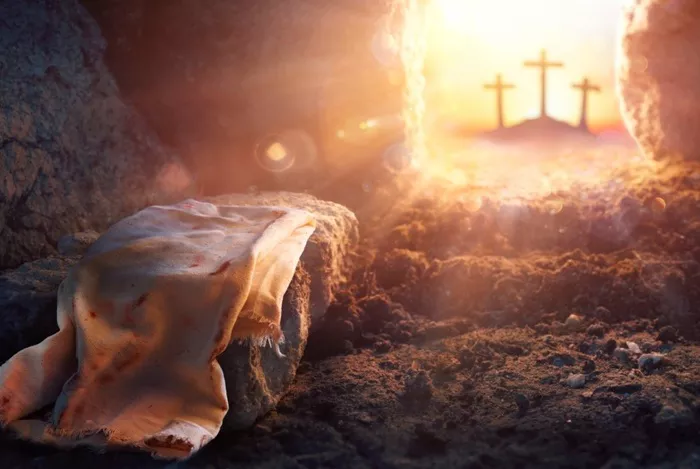
The question of whether Jesus celebrated Easter is a topic that combines history, theology, and religious traditions. Easter, as it is known today, is the celebration of Jesus’ resurrection from the dead. It is the most important festival in the Christian calendar, marked by joy, worship, and various cultural practices. However, understanding whether Jesus himself celebrated this festival requires exploring the historical and biblical context.
This article aims to examine the origins of Easter, the events of Jesus’ life, and the traditions that evolved later. It will provide a clear and detailed explanation, suitable for readers who wish to understand the connection between Jesus and Easter.
The Origins of Easter
Easter is rooted in the early Christian belief in the resurrection of Jesus. The festival as we know it today developed centuries after Jesus’ death. Early Christians celebrated the resurrection, but the exact timing and rituals were not standardized. The name “Easter” itself comes from different cultural influences, including the Anglo-Saxon goddess Eostre, whose spring festival was celebrated around the same time as Passover.
Strong links exist between Easter and Jewish Passover, or Pesach, which commemorates the Israelites’ liberation from Egypt. Jesus’ crucifixion and resurrection occurred during the Passover festival, which was already an established Jewish observance. This link is critical in understanding why Easter has both religious and historical significance.
Jesus and Jewish Festivals
Jesus was a Jew, born and raised in a Jewish cultural and religious context. According to the Gospels, he observed Jewish laws and festivals. The most notable festival he celebrated was Passover. The Last Supper, which is commemorated on Maundy Thursday, was a Passover meal shared with his disciples. This meal is described in the Gospels as the moment when Jesus introduced the practice of communion.
The celebration of Passover involved specific rituals, including the sacrificial lamb, prayers, and the retelling of the Exodus story. Jesus’ participation in these rituals indicates that he observed traditional Jewish festivals. However, Easter as a Christian festival did not exist during his lifetime.
The Resurrection of Jesus
The core of Easter is the resurrection of Jesus. According to Christian belief, Jesus was crucified, died, and was buried. On the third day, he rose from the dead. This event is described in all four Gospels. The resurrection is central to Christian theology, symbolizing victory over sin and death.
However, Jesus did not celebrate his resurrection. He experienced it as an event that would later be commemorated by his followers. Easter, as a festival to celebrate this resurrection, developed after the early Christian community began sharing the message of Jesus’ resurrection. This means that while Jesus lived the events that Easter celebrates, the festival itself was established later.
The Development of Easter Celebrations
Early Christians did not celebrate Easter in the form known today. They commemorated the resurrection through prayer, reflection, and worship, often in conjunction with Passover. Over time, Christian communities developed specific traditions, including the Easter Vigil, sunrise services, and other forms of public celebration.
By the 4th century, Easter had become an official feast in the Christian calendar. The Council of Nicaea in 325 CE standardized the date of Easter to be the first Sunday after the first full moon following the vernal equinox. This decision further separated Easter from Passover, making it a distinct Christian festival.
Jesus’ Perspective on Festivals
The Gospels record Jesus’ teachings about the purpose of religious observance. He emphasized spiritual meaning over ritualistic practice. For example, he often criticized religious leaders for observing festivals in a formalistic way without understanding their spiritual significance. This indicates that while Jesus observed Jewish festivals, he prioritized the ethical and spiritual lessons they taught.
From this perspective, even if Easter had existed during his lifetime, it is likely that Jesus would have focused on the meaning behind the celebration rather than the external rituals. His life and teachings continue to inspire the way Easter is observed today, emphasizing reflection, gratitude, and the transformative power of the resurrection.
Historical Evidence and Records
There is no historical record indicating that Jesus celebrated Easter as a festival. The Gospels, which are the primary sources of information about Jesus’ life, do not mention Easter. They do, however, describe his participation in Jewish festivals like Passover, Hanukkah, and Sabbath observances.
The earliest writings of Paul, in the letters to the Corinthians and Romans, focus on the resurrection as a theological event. These writings do not describe any festival called Easter. Therefore, from a historical standpoint, Easter is a festival created by early Christians to commemorate events in Jesus’ life rather than something Jesus himself celebrated.
Modern Easter Traditions
Modern Easter includes many practices such as attending church services, egg hunts, feasts, and the exchange of gifts. These traditions developed over centuries and often incorporate local cultural elements. For example, Easter eggs symbolize new life, while Easter Sunday services celebrate the resurrection with music, prayers, and sermons.
Although these traditions are meaningful for Christians today, they are not directly linked to Jesus’ personal celebration. They reflect the growth of Christian culture and the ways communities express their faith and joy over the resurrection event.
Theological Interpretation
Theologically, Easter celebrates what Jesus accomplished rather than what he personally observed. It is a commemoration of his resurrection, his victory over death, and the hope of eternal life for believers. This understanding aligns with the message of the New Testament, which emphasizes faith, redemption, and the spiritual significance of Jesus’ actions.
In Christian theology, Jesus’ life and resurrection are timeless. Celebrating Easter allows believers to participate spiritually in the events that transformed history. From this perspective, Easter is a celebration inspired by Jesus’ life, not a festival he personally observed.
Common Misconceptions
Many people assume that Jesus celebrated Easter because it is a Christian festival about his resurrection. This is a misconception. Jesus lived and died before Easter was formally established. The connection is that Easter commemorates his resurrection, an event he experienced but did not celebrate in a festival format.
Understanding the historical context helps clarify this. Jewish festivals like Passover were well-established in Jesus’ time. Easter emerged later as early Christians sought to honor the resurrection in a distinct, meaningful way. Recognizing this distinction is important for both historical accuracy and theological clarity.
Conclusion
In conclusion, Jesus did not celebrate Easter as a festival. Easter was established by early Christians to commemorate the resurrection, an event that Jesus experienced. During his life, he observed Jewish festivals such as Passover and taught the spiritual significance of religious observance. The modern celebration of Easter combines theological meaning, cultural traditions, and historical remembrance, allowing believers to honor the central events of Jesus’ life. While Jesus himself did not celebrate Easter, the festival continues to inspire faith, reflection, and joy among Christians worldwide.
Related topics: