
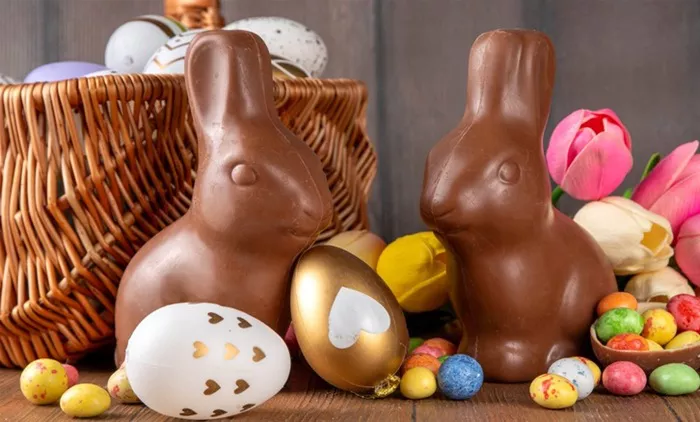
Easter is one of the most widely celebrated Christian holidays, commemorating the resurrection of Jesus Christ. However, beyond its religious significance, many of the symbols associated with Easter, such as the Easter Bunny and Easter eggs, have a rich history steeped in cultural and ancient traditions. This article explores the origins and significance of these symbols, shedding light on why we celebrate Easter with bunnies and eggs today.
Introduction
In the United States and many other countries around the world, Easter is a time for family gatherings, festive meals, and a variety of fun activities. One of the most beloved traditions during this time is the Easter egg hunt, and the iconic figure of the Easter Bunny. But why are these symbols so closely tied to Easter celebrations? To understand this, we need to explore their origins and meanings, which are deeply rooted in both ancient pagan customs and Christian symbolism.
The Symbolism of Eggs in Easter Celebrations
Eggs have long been associated with fertility, renewal, and new life. These themes are central to the celebration of Easter, which marks the resurrection of Jesus Christ and the promise of eternal life. Eggs, as symbols of birth and new beginnings, have been part of Easter traditions for centuries, long before they became linked to the Easter Bunny.
Ancient Origins of the Easter Egg
The tradition of decorating and exchanging eggs dates back to ancient civilizations, including the Egyptians, Persians, and Romans. In these cultures, eggs were often seen as symbols of fertility and rebirth. Early Christians adopted this symbolism to represent the resurrection of Jesus. The egg’s hard shell was said to symbolize the tomb of Christ, with the breaking of the egg representing His resurrection.
The Practice of Egg Decorating
In medieval Europe, the practice of decorating eggs became a widespread tradition. The eggs were often dyed red to symbolize the blood of Christ, or they were decorated with intricate designs. In some cultures, eggs were even exchanged as gifts during the Easter season. This practice continues today, with children often decorating hard-boiled eggs as part of Easter celebrations.
Egg Hunts and the Easter Egg Roll
The Easter egg hunt is another beloved tradition that has become synonymous with the holiday. In this activity, children search for hidden eggs, often filled with candy or small prizes. The Easter egg roll, which is famously held on the White House lawn each year, is another fun and competitive event where children race to roll their eggs across the ground. Both activities have roots in ancient customs and were popularized in the United States in the 19th century.
The Easter Bunny: A Tale of Fertility and Renewal
The Easter Bunny is perhaps one of the most recognizable figures of the holiday. But like the Easter egg, its origins are not purely Christian. The bunny, or hare, has long been a symbol of fertility due to its rapid reproduction rate, and it was a common motif in ancient springtime festivals.
The Origins of the Easter Bunny
The Easter Bunny is believed to have originated in Germany during the 1700s. According to tradition, the “Osterhase” (Easter Hare) would lay eggs for children to find during Easter celebrations. The practice was brought to America by German immigrants in the 1700s, and over time, the Easter Bunny became a prominent symbol of the holiday.
The Role of the Rabbit in Pagan Rituals
Rabbits and hares have been symbolic of fertility and renewal in many ancient cultures, particularly in pagan traditions. In pre-Christian Europe, the spring festival of Ostara, which celebrated the vernal equinox, was dedicated to the goddess Eostre, whose animal symbol was a rabbit. This association with fertility and rebirth naturally led to the use of the rabbit in Easter traditions.
The Easter Bunny as a Gift-Giver
Much like Santa Claus during Christmas, the Easter Bunny has become a figure who brings gifts to children. These gifts are often chocolate eggs, candies, and small toys. This custom of the Easter Bunny delivering treats to children may have originated from the idea that the hare would lay eggs for the children to find, symbolizing the renewal of life during the spring season.
How the Easter Bunny and Eggs Became Linked to the Holiday
While both the Easter Bunny and eggs have separate historical roots, they were eventually linked together as part of the larger Easter celebration. The blending of pagan and Christian traditions over centuries helped shape the modern-day Easter festivities that we know today.
The Merging of Pagan and Christian Symbols
Christianity has a long history of adopting and reinterpreting pre-existing pagan symbols. The egg and the rabbit, both symbols of fertility and renewal, were naturally incorporated into the Easter celebration, which commemorates the resurrection of Jesus and the hope of new life. The egg represents the tomb from which Christ emerged, while the bunny embodies the spirit of rebirth and life during the spring season.
The Role of the Victorians in Shaping Modern Easter Traditions
The Victorians played a significant role in shaping the way we celebrate Easter today. During the 19th century, the tradition of the Easter egg hunt became widespread in England and America. Additionally, the Easter Bunny was popularized through stories and illustrations, making the figure a permanent fixture of the holiday. The idea of the bunny delivering eggs and treats to children became a widely accepted part of the Easter narrative.
Why Do We Celebrate Easter with Bunnies and Eggs Today?
Today, Easter celebrations are a blend of religious and secular customs. While the holiday’s religious significance remains central to many, the traditions of the Easter Bunny and Easter eggs have become integral to how people celebrate the season. The connection between these symbols and the idea of rebirth and renewal continues to resonate with people of all ages, making Easter a time for joy, reflection, and family fun.
The Joy of Easter Traditions
The Easter Bunny and Easter eggs bring a sense of excitement and joy to both children and adults. The egg hunt is a fun-filled activity that allows families to come together, while the Easter Bunny adds an element of magic and mystery to the holiday. For many, these traditions provide an opportunity to celebrate the arrival of spring and the promise of new beginnings.
A Time for Family and Community
At its core, Easter is a celebration of life and hope. The rituals surrounding the Easter Bunny and eggs are a way for families and communities to come together and celebrate the season. Whether it’s gathering for a festive meal or participating in an egg hunt, these activities help strengthen bonds and create lasting memories.
Conclusion
The Easter Bunny and eggs have become synonymous with the holiday, providing both cultural and religious significance. These symbols, rooted in ancient traditions and Christian symbolism, offer a way to celebrate renewal, fertility, and the joy of new beginnings. While their origins may be diverse, the traditions surrounding Easter continue to bring people together, making the holiday one of the most anticipated and loved celebrations of the year.
Related topics: