
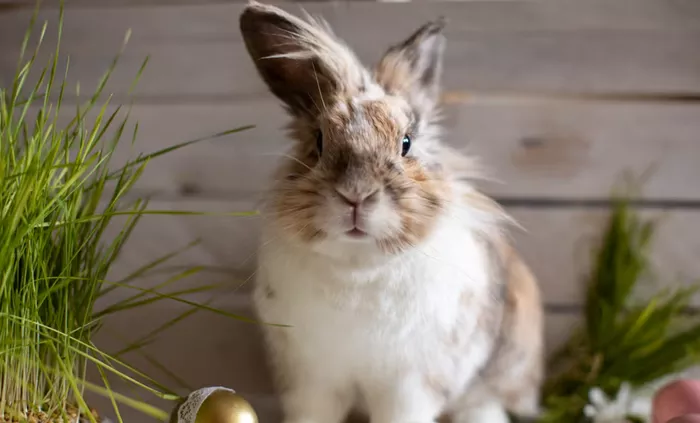
The Easter Bunny is one of the most beloved figures associated with Easter. Many people recognize it as a symbol of spring, joy, and celebration. But have you ever wondered what the Easter Bunny is called? Is that its only name? How did this character come into the cultural imagination? In this article, we will explore the history, names, and meanings behind the Easter Bunny. We will answer what the Easter Bunny is called in different places and why its name matters to people around the world.
The Easter Bunny may seem like a simple character. Still, its name and origins tie into long histories of tradition and belief. Whether you are learning about Easter for the first time or are curious about world traditions, this article will guide you in clear and simple language.
What Is the Easter Bunny?
At its core, the Easter Bunny is a character that brings eggs and treats to children during Easter. The Easter holiday itself celebrates themes of rebirth, renewal, and life. For many Christians, Easter marks the resurrection of Jesus Christ. Over time, cultural traditions around the holiday have developed, and the Easter Bunny became a popular figure, especially in Western cultures.
The character is usually portrayed as a rabbit or hare. It often appears with colorful eggs, baskets, and spring flowers. The Easter Bunny does not appear in the Bible, but its presence in Easter celebrations stems from older cultural symbols of fertility and new life.
The Name “Easter Bunny”
The most common name used in English is simply “Easter Bunny.” The word “Easter” comes from old European languages and refers to the spring festival. The word “bunny” is a familiar term for a small rabbit. When these words are combined, they form the modern name for the holiday character.
In English-speaking countries like the United States, the United Kingdom, Canada, and Australia, “Easter Bunny” is the standard name. Children often write letters to the Easter Bunny, set out carrots, and celebrate with egg hunts in the name of this playful character.
The Name in Other Languages and Cultures
While English speakers call the character the Easter Bunny, people in other countries use different names. These names reflect local traditions, languages, and cultural histories.
German: Osterhase
One of the earliest known names for the Easter Bunny comes from Germany. In German, it is called “Osterhase.” The word “Oster” refers to Easter, and “hase” means hare. German immigrants brought this tradition to America in the 1700s, and from there it spread widely.
French: Lapin de Pâques
In France, children celebrate with the “Lapin de Pâques.” The word “lapin” means rabbit, and “Pâques” means Easter. French traditions sometimes include chocolate rabbits and egg hunts similar to those in English-speaking countries.
Spanish: Conejo de Pascua
In Spanish-speaking countries, the Easter Bunny is called “Conejo de Pascua.” The word “conejo” means rabbit, and “Pascua” refers to Easter. In many places, chocolate rabbits and decorated eggs are popular among children during the holiday.
Italian: Coniglio Pasquale
In Italy, it is known as “Coniglio Pasquale.” Like other names, this translates to Easter rabbit. However, in some parts of Italy, other Easter figures may appear more prominently, such as parades and religious processions.
Scandinavian Names
In Scandinavian countries like Sweden and Norway, the Easter Bunny has a special place in spring celebrations. In Sweden, it is called “Påskharen,” which means Easter hare. The emphasis on the hare connects to older spring traditions in Nordic cultures.
Across languages and places, the names for the Easter Bunny share a common theme: they connect the rabbit or hare with the festival of Easter.
Why Is It Called a Bunny and Not a Rabbit?
In English, “bunny” and “rabbit” can mean the same animal. However, “bunny” sounds softer and more playful. It is often used with children and in stories. Because the Easter character is fun and friendly, “bunny” became the preferred term.
In older stories, the character might be called a rabbit or a hare. A hare is a close relative of the rabbit. In many European languages, the name refers directly to a hare. Over time, English speakers chose “bunny” to make the character feel more childlike and joyful.
Where the Easter Bunny Idea Came From
The idea of a rabbit bringing gifts at Easter may seem surprising. It comes from a mix of folklore, tradition, and cultural exchange. Many of the earliest stories about the Easter Bunny trace back to German-speaking regions in Europe. There, people told tales of an “Osterhase” that laid colorful eggs for good children.
The connection between rabbits and Easter also comes from older spring symbols. Rabbits and hares are known for their energetic breeding in the spring. For ancient people, this made them symbols of new life. Since Easter celebrates new life in many cultures, the rabbit fit well as a symbol.
Over centuries, the character spread across Europe. It reached America in the 1700s with immigrants from Germany. From there, the Easter Bunny became part of a larger Easter celebration that includes egg hunts, decorating eggs, and giving candies.
Other Names and Characters Related to the Easter Bunny
In different places and times, other names and characters related to the Easter Bunny have appeared. These names may refer to local traditions or older folklore.
Easter Hare
In some regions, especially in older stories, the character is called the “Easter Hare” instead of the Easter Bunny. A hare is similar to a rabbit but larger and with longer legs. The use of “hare” often ties into ancient spring celebrations that predate Christian Easter festivals.
Osterhase Variations
In parts of Germany, children might call the Easter figure “Oschter Haws” or other regional forms. These names reflect local dialects and older linguistic patterns. While they all point to the same character, they show how language can shape tradition.
Folk Characters and Helpers
In some traditions, the Easter Bunny has helpers or companions. These figures may be other animals or magical creatures. While not as well known as the Easter Bunny, they show how local customs adapt and change over time.
How the Name Affects Tradition Today
The name of the Easter Bunny matters because it connects people to tradition. When children hear “Easter Bunny,” they think of fun, spring, gifts, and community celebration. The name carries memories of family traditions, egg hunts, and festive meals.
In schools and communities, the Easter Bunny appears in parades, arts and crafts, and events. Knowing the name and its history helps people understand how traditions evolve. It also helps people appreciate cultural diversity, as names differ around the world.
Misunderstandings About the Name
Some people think the Easter Bunny is a religious figure. It is not part of Christian scripture. Instead, it grew from popular and cultural traditions over time. The name is tied to Easter because the holiday happens in spring, a season of life and renewal.
Another misunderstanding is that the character always brings eggs. In some places, the Easter Bunny may bring candies or small toys instead of eggs. The name stays the same, but the traditions around it can vary.
Modern Use of the Name
Today, “Easter Bunny” appears in books, films, decorations, and celebrations. Children write letters to the Easter Bunny, much like letters to Santa Claus at Christmas. Parents sometimes play games where the Easter Bunny “hides” eggs for children to find.
The name also appears in marketing and storytelling. Chocolatiers craft chocolate rabbits in the shape of the Easter Bunny. Artists draw pictures of the bunny wearing ribbons, holding eggs, or standing in flower gardens. All of these uses help keep the tradition alive.
Comparing the Easter Bunny to Other Holiday Figures
Like the Easter Bunny, other holidays have characters with special names. For example, Christmas has Santa Claus, and Halloween has figures like the Headless Horseman or friendly ghosts. These characters help make holidays memorable and fun.
The name of each character plays a key role. “Santa Claus” calls to mind gift-giving and winter joy. “Easter Bunny” calls to mind spring and renewal. The names help shape how people think about and celebrate each holiday.
How to Teach Children About the Easter Bunny’s Name
When explaining the Easter Bunny to children, simple language is best. You can say that the Easter Bunny is a friendly rabbit that brings eggs and treats at Easter. You can explain that many cultures use different names, but they all celebrate the idea of new life and fun in spring.
Storybooks, crafts, and songs can make learning about the name enjoyable. Painting eggs with a child while talking about why the Easter Bunny brings eggs makes the tradition meaningful. This helps children understand both the name and the spirit of the holiday.
Questions People Commonly Ask
People often ask questions like: Why is it called a bunny? Where did the name come from? Is the name the same everywhere? Learning the answers helps deepen appreciation for cultural traditions. Answering these questions with clear language makes the story of the Easter Bunny accessible to everyone.
The name “Easter Bunny” may sound simple, but it carries centuries of history and meaning. From old European traditions to modern celebrations, the name reflects a blend of language, culture, and joy.
Conclusion
The name of the Easter Bunny connects language and tradition. In English, we call this character the “Easter Bunny,” but in other languages it has different names like “Osterhase,” “Lapin de Pâques,” and “Conejo de Pascua.” These names all highlight spring, life, and celebration. While the name itself is playful, it carries deep cultural roots that show how traditions grow and change over time. Understanding what the Easter Bunny is called helps us appreciate the richness of holiday customs and the ways people around the world celebrate the arrival of spring.
Related topics: