
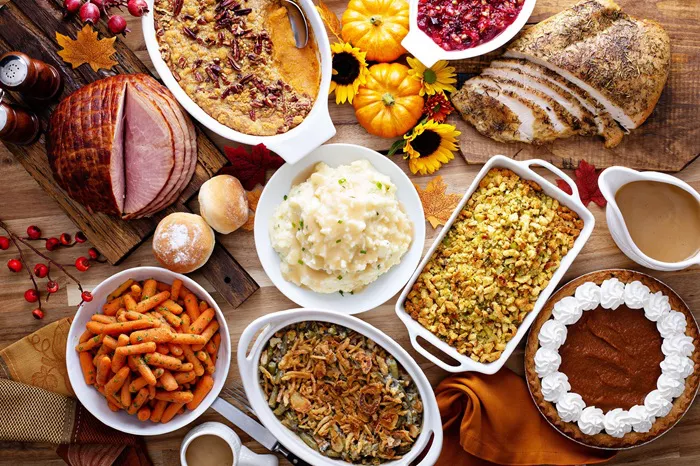
Thanksgiving is one of the most important family holidays in the United States. It is a time for gratitude, gathering, and generous meals shared around a crowded table. Food is at the center of the celebration. Each dish carries history, culture, and memory. Some families follow traditions that go back generations. Others add new recipes that reflect changing tastes and modern lifestyles.
When people ask, “What are some good Thanksgiving dishes?” they usually want more than a list. They want dishes that are flavorful, practical, and suitable for guests of different ages. They want recipes that can be prepared with confidence. They also want food that feels festive and meaningful.
A good Thanksgiving dish meets several standards. It should complement the main course. It should balance flavors and textures. It should be manageable in terms of preparation time. Most importantly, it should bring comfort and warmth to the table.
This article introduces classic Thanksgiving dishes and modern variations. It explains why each dish works well for the holiday. It also provides guidance on planning a well-balanced Thanksgiving menu.
Roast Turkey: The Centerpiece of the Table
Roast turkey is the traditional main dish of Thanksgiving. It is more than food. It symbolizes abundance and unity. A well-prepared turkey can anchor the entire meal.
A good roast turkey has crisp, golden skin and moist meat. The key to success is preparation. Brining the turkey before roasting helps keep the meat tender. A simple brine with salt, sugar, and herbs can enhance flavor and texture. Some cooks prefer dry brining, which also produces crisp skin.
Seasoning is essential. Classic herbs include thyme, rosemary, sage, and parsley. Butter or olive oil helps the skin brown evenly. Stuffing the cavity with onions, garlic, lemon, and herbs can improve aroma.
Cooking temperature and timing must be controlled carefully. Overcooking dries the meat. Using a thermometer ensures accuracy. The internal temperature should reach a safe level without exceeding it.
Turkey pairs well with many side dishes. Its mild flavor allows stronger side dishes to shine. For this reason, it remains the most reliable main course for Thanksgiving.
Traditional Stuffing or Dressing
Stuffing is one of the most debated Thanksgiving dishes. Some families cook it inside the turkey. Others bake it separately as dressing. Both methods can produce excellent results.
A good stuffing combines bread, aromatics, herbs, and broth. Day-old bread works best. It absorbs flavor without becoming mushy. Onions, celery, and garlic form the base. Sage is the signature herb of Thanksgiving stuffing.
Some variations include sausage, apples, cranberries, or nuts. Sausage adds richness. Apples add sweetness. Cranberries provide acidity. Nuts contribute texture.
The texture should be moist but not soggy. The top layer should be slightly crisp. When prepared correctly, stuffing complements turkey and gravy perfectly.
Mashed Potatoes: Creamy and Comforting
Mashed potatoes are a staple at most Thanksgiving tables. They offer comfort and familiarity. They also serve as a base for gravy.
Good mashed potatoes begin with the right variety. Russet or Yukon Gold potatoes are ideal. They create a fluffy texture. Potatoes should be cooked until tender but not waterlogged.
Butter and warm milk or cream should be added gradually. Overmixing can make the potatoes gluey. Seasoning with salt and pepper is essential. Some cooks add roasted garlic or cream cheese for extra flavor.
Mashed potatoes balance the meal. They soften strong flavors and add substance to the plate. They are also popular with children and older guests alike.
Gravy: The Unifying Sauce
Gravy connects many Thanksgiving dishes. It adds moisture and depth. A well-made gravy can elevate even simple ingredients.
Traditional turkey gravy is made from pan drippings. The drippings are combined with flour to form a roux. Broth is added gradually while whisking. The result should be smooth and rich.
Seasoning must be adjusted carefully. Too much salt can overpower the dish. Freshly ground pepper and herbs can enhance complexity.
Gravy should be thick enough to coat food but not so thick that it becomes heavy. When poured over turkey, mashed potatoes, and stuffing, it unifies the entire meal.
Cranberry Sauce: Sweet and Tart Balance
Cranberry sauce provides contrast. Its tart flavor balances the richness of turkey and gravy. This contrast is essential for a well-rounded Thanksgiving meal.
Fresh cranberry sauce is simple to make. Cranberries are simmered with sugar and water until they burst. Orange zest or juice can add brightness. Some families include cinnamon or cloves for warmth.
The texture can vary. Some prefer a smooth sauce. Others like whole berries. Both styles are acceptable as long as the flavor remains balanced.
Cranberry sauce should not be overly sweet. Its slight acidity refreshes the palate between bites.
Green Bean Casserole: A Mid-Century Classic
Green bean casserole became popular in the mid-20th century. It remains a common Thanksgiving dish in many households.
The traditional version includes green beans, cream-based soup, and crispy fried onions. It is baked until bubbly. The crispy topping adds texture.
Modern versions may use fresh green beans and homemade sauce. This approach reduces heaviness and improves flavor. Mushrooms and garlic can add depth.
Green bean casserole provides vegetable content in a comforting format. It is easy to prepare in advance, which makes it practical for large gatherings.
Sweet Potato Dishes: Sweet or Savory
Sweet potatoes are versatile. They can be prepared in both sweet and savory styles.
Sweet versions often include brown sugar, butter, and marshmallows. This style appeals to children and those who enjoy dessert-like side dishes. The sweetness contrasts with savory main courses.
Savory versions use herbs, garlic, and olive oil. Roasted sweet potatoes with rosemary and sea salt offer a more balanced flavor. This version suits guests who prefer less sugar.
Both approaches are valid. The choice depends on the overall menu and family tradition.
Cornbread and Dinner Rolls
Bread is essential for absorbing gravy and sauces. Cornbread offers a slightly sweet and crumbly texture. It pairs well with turkey and cranberry sauce.
Dinner rolls provide a softer alternative. They can be served warm with butter. Homemade rolls add a special touch, but high-quality store-bought options are acceptable for busy hosts.
Bread should complement the meal without overwhelming it. It adds structure and comfort to the plate.
Roasted Vegetables for Modern Tables
Many modern Thanksgiving menus include roasted vegetables. Brussels sprouts, carrots, parsnips, and squash are popular choices.
Roasting enhances natural sweetness. A simple seasoning of olive oil, salt, and pepper is often enough. Balsamic glaze or maple syrup can add complexity.
Roasted vegetables add color and nutrition. They also provide a lighter option among heavier dishes.
Macaroni and Cheese: A Comfort Addition
In some regions, macaroni and cheese is a Thanksgiving essential. It adds creamy texture and rich flavor.
A good macaroni and cheese uses a blend of cheeses. Sharp cheddar provides strong flavor. Mozzarella adds stretch. A baked version with a crisp breadcrumb topping offers contrast.
This dish is especially popular in Southern Thanksgiving traditions. It satisfies guests who prefer familiar comfort food.
Thanksgiving Salads for Freshness
Salads bring balance to the table. They introduce freshness and acidity.
A simple mixed greens salad with vinaigrette can cut through rich foods. Adding nuts, apples, or dried cranberries enhances seasonal appeal.
Salads should not be overly complicated. Their role is to refresh the palate and add color.
Classic Pumpkin Pie
Pumpkin pie is the most iconic Thanksgiving dessert. It represents autumn flavors and seasonal harvest.
The filling combines pumpkin puree, eggs, cream, sugar, and warm spices. Cinnamon, nutmeg, ginger, and cloves create depth. The crust should be flaky and firm.
Pumpkin pie is best served slightly chilled or at room temperature. Whipped cream adds lightness.
Its smooth texture and balanced sweetness make it a reliable dessert choice.
Pecan Pie and Apple Pie
Pecan pie offers a rich, caramel-like flavor. It is sweet and dense. A small slice is usually enough. It appeals to guests who enjoy nutty and sweet desserts.
Apple pie provides a lighter option. The combination of tender apples and flaky crust is timeless. A hint of cinnamon enhances flavor without overpowering it.
Offering two types of pie ensures variety and accommodates different preferences.
Modern and Dietary-Friendly Options
Many families now include vegetarian, vegan, or gluten-free dishes. These options ensure that all guests feel welcome.
A vegetarian main dish could include stuffed squash or lentil loaf. Vegan mashed potatoes can be made with plant-based butter. Gluten-free stuffing uses specialty bread.
These dishes should not feel like afterthoughts. They should be prepared with the same care as traditional dishes.
How to Build a Balanced Thanksgiving Menu
A successful Thanksgiving menu balances flavors and textures. Rich dishes should be offset by lighter ones. Sweet items should not dominate the meal.
A typical structure includes:
– One main protein.
– Three to five side dishes.
– Bread.
– Two or three desserts.
Color also matters. A plate that includes green, orange, and golden tones appears more inviting.
Preparation planning is critical. Some dishes can be made in advance. Others should be cooked on the day of the meal. Efficient scheduling reduces stress.
Conclusion
Good Thanksgiving dishes combine tradition, flavor, and practicality. Roast turkey remains the centerpiece for many families. Side dishes such as stuffing, mashed potatoes, cranberry sauce, and sweet potatoes create balance. Vegetables, bread, and salads add texture and freshness. Classic pies complete the meal with seasonal sweetness.
The best Thanksgiving menu reflects both heritage and personal taste. It considers the needs of guests and the skills of the cook. With thoughtful planning and careful preparation, Thanksgiving dishes can create not only a satisfying meal but also lasting memories around the table.