
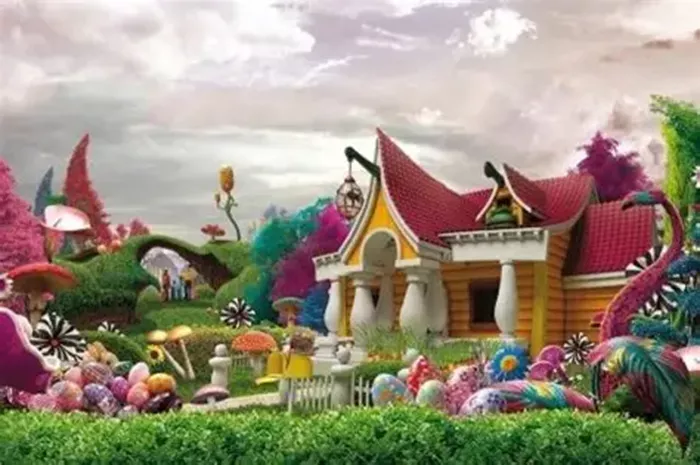
Every spring, as flowers bloom and birds sing, a magical figure captures the imagination of millions—the Easter Bunny. Children eagerly await its arrival, hoping to find colorful eggs and sweet treats hidden in the garden. But have you ever wondered where the Easter Bunny lives? What kind of house shelters this mysterious creature? Is it a simple burrow in the woods, or a whimsical palace full of candy and ribbons?
While the Easter Bunny may be rooted in folklore and imagination, the idea of its home has evolved through storytelling, art, and holiday traditions. In this article, we will take a journey into this imaginary world. We’ll explore what the Easter Bunny’s house might look like based on symbolism, fairy tale influences, and cultural representations.
This story isn’t just for children. It’s for the child in every adult who still believes in magic. Let’s unlock the wooden door, step past the candy-pink fence, and take a warm look inside the Easter Bunny’s home.
A Whimsical Home in a Hidden Forest
The Easter Bunny’s house is often imagined as nestled deep within a magical forest. Trees with twisting trunks and flowering branches offer natural protection. The home is hidden from the outside world, making it a peaceful and secret place.
Unlike a regular animal’s burrow, the Easter Bunny’s house is full of charm and detail. The exterior may resemble a large tree trunk or a rounded hill with a wooden door. Moss covers the roof like a soft green blanket. A cobblestone path, carefully laid out, leads visitors through blooming flowers to the entrance.
Everything is alive with color—soft pastels, gentle whites, and warm browns. The setting feels like a page from a fairy tale. The birds chirp cheerfully in the branches above, and butterflies flutter near the windows.
Though the home is part of nature, it is clearly enchanted. Lights twinkle along the edges of windows, and a gentle hum of magic lingers in the air. This is not just a house; it’s a sanctuary filled with kindness, warmth, and joy.
Architecture: Nature Meets Imagination
The architecture of the Easter Bunny’s house blends elements of nature and fantasy. It does not follow strict human building rules, but instead flows with the land and the seasons.
The walls might be crafted from curved wooden panels, polished smooth by paw. The windows are round, with stained-glass images of eggs, flowers, and stars. A thatched roof adds to the cottage-style charm, with vines curling gently along the eaves.
Inside, the house is cozy but spacious. The ceilings are arched and wood-beamed. Everything is scaled to fit a bunny’s size, though some areas may be designed to welcome visiting woodland friends—squirrels, hedgehogs, even small birds.
The house has multiple rooms, each serving a unique purpose. A main sitting room near the hearth is often imagined as the heart of the home. It is filled with soft furniture, patchwork rugs, and bookshelves stacked with ancient tales and magical recipes.
The entire structure feels alive and inviting. The design isn’t cold or modern. It’s warm, rounded, and gently hand-crafted, as though each detail has been touched by years of love and careful planning.
Inside the Easter Bunny’s Living Room
The living room of the Easter Bunny’s house is a place of peace. It is where the Bunny rests after long days of preparing eggs and planning routes for delivery.
There is a round table in the center, covered with a lace tablecloth made from spider silk—delicate but strong. On it rests a vase of fresh wildflowers, picked from the meadows nearby.
A rocking chair made of twisted willow branches stands beside a fireplace built from smooth river stones. Above the mantle hangs a framed painting—not of a family portrait, but of a blooming tree, symbolizing life and renewal.
The walls are decorated with painted eggs from past years. Each egg tells a story. Some are hand-painted with intricate scenes, others are more playful, with swirls and dots in cheerful colors.
Shelves contain handwritten journals, notes on egg designs, and lists of children’s names around the world. Nearby, a patchwork quilt covers a sofa shaped perfectly for a rabbit to lounge on after a long day.
In the corner sits a small musical box that plays a gentle melody when wound up. This is a place of rest and reflection, a quiet pause before the busy spring days.
The Kitchen: Heart of Springtime Treats
The kitchen is arguably the most active part of the Easter Bunny’s home. It is where all the chocolates, eggs, and springtime sweets are made. Not by machine, but by hand—or paw—with love and care.
Shelves overflow with jars of colored sugar, baskets of herbs, and bottles of berry syrup. There are tiny ovens with rounded doors, glowing softly with warmth. The air always smells like vanilla, mint, and roasted nuts.
A wide counter is the working space, often dusted with flour or sprinkled with candy beads. There are tools of all kinds: whisks made from birch branches, egg dippers carved from antlers, and molds shaped like bunnies, chicks, and butterflies.
One cabinet holds the magical color potions used to dye eggs. Each shade has a story. The soft blue comes from dew gathered at sunrise. The gold comes from crushed marigolds and a pinch of moonlight.
In one corner stands the Egg Calendar—a rotating wheel that keeps track of all the delivery dates. The Bunny uses it to plan each spring’s journey, making sure no child is missed.
Despite all this activity, the kitchen stays tidy. A team of gentle mice, dressed in aprons, helps with cleanup and organization.
The Egg Workshop: A Room Full of Wonder
Beyond the kitchen lies the most exciting room in the house—the Egg Workshop. This is where the magic truly happens. Each Easter egg begins as a blank shell, then becomes a work of art.
The walls of this room are lined with shelves, each holding dozens of egg shells in different shapes and sizes. Some are real, from chickens or ducks. Others are chocolate or sugar. A few are completely magical—glowing softly in the dark or changing color with temperature.
A long worktable stands in the middle of the room, covered in paints, brushes, stickers, glitter, and stamps. Each egg is treated like a treasure. Some are painted with scenes of forests and rivers, others with little messages of hope.
The Bunny does not work alone. Special creatures assist—fairy birds bring feathers for decoration, squirrels gather nuts for filling, and butterflies fan drying eggs with their wings.
A large cabinet in the back holds the “Legendary Eggs”—those created for very special occasions. These eggs are not hidden but gifted to those who perform great acts of kindness or bravery.
The room is bright, airy, and full of energy. It is the Bunny’s pride and joy, and where the most delicate and joyful work takes place.
The Delivery Room: Maps, Baskets, and Magic Dust
In a small room near the back of the house lies the Delivery Room. This is where the Easter Bunny prepares for the big night. It’s not as cozy as the kitchen or as colorful as the workshop, but it’s full of purpose.
On the walls hang enormous maps—one of the entire Earth, others of individual towns and cities. Pins and threads mark routes, showing where eggs will be hidden and which baskets go where.
Baskets of all sizes are stacked neatly on wooden shelves. Each basket is tagged with a child’s name and filled with treats chosen just for them. Some baskets include plush animals, others books or puzzles. Each is packed with care.
In the center of the room lies a magic satchel, stitched with stardust and rabbit fur. It’s the Easter Bunny’s most treasured tool—capable of holding hundreds of baskets without ever getting heavy.
Beside the satchel rests a pouch of travel dust, which lets the Bunny leap across great distances in seconds. It is made from dandelion fluff, cloud bits, and the first laughter of spring.
Everything in the Delivery Room is carefully labeled, checked twice, and arranged for quick access. This is a place of strategy, timing, and heartfelt planning.
The Garden: A Living Extension of the House
The Easter Bunny’s home does not end at the door. The garden is just as important. It reflects the spirit of spring, with blooming flowers, lively critters, and hidden surprises.
Rows of tulips, daffodils, and bluebells stretch across the yard. Bees hum from flower to flower, while rabbits nibble on clover under the shade of mushrooms.
There is a small pond where frogs sing and dragonflies dance. In one corner, a wooden swing hangs from a tree branch, swaying gently in the wind.
Paths wind through the garden, and if you follow them carefully, you might find a tiny door or a hidden egg tucked beneath a leaf. Some eggs are for decoration, others hold notes or tiny treasures.
In the evenings, the garden glows with lanterns shaped like eggs and stars. The Easter Bunny often walks the paths at sunset, breathing in the scent of fresh petals and enjoying the hush before the next day’s work.
Symbolism in the Easter Bunny’s Home
The design of the Easter Bunny’s house is not just charming—it’s meaningful. Each detail holds symbolic value, drawn from centuries of springtime lore and cultural traditions.
−Eggs represent renewal, life, and hope.
−Rabbits are symbols of fertility and growth.
−Flowers indicate rebirth and the arrival of warmer days.
−Chocolate and sweets represent joy, reward, and the sweetness of celebration.
The house, as a whole, symbolizes balance—between work and rest, tradition and imagination, magic and meaning.
A House for All Seasons, But Especially Spring
Though the Easter Bunny’s house is most active in the spring, it doesn’t vanish in other seasons. In summer, the garden becomes a picnic space. In fall, the Bunny crafts autumn treats from apples and cinnamon. In winter, the home is dusted with snow, and candles glow inside every room.
But spring remains the heart of the home. It is when everything blooms, when the house comes alive with energy, music, and joy. It is the time when magic pours through every window and door.
Conclusion
The Easter Bunny’s house is more than a cozy hideaway in a magical forest. It is a reflection of everything the Easter holiday stands for: renewal, creativity, generosity, and wonder.
With each egg painted, each basket packed, and each path walked through the garden, the Bunny spreads joy not just to children, but to anyone who believes in kindness and dreams.
Though we may never see the Easter Bunny’s home with our own eyes, its image lives in our hearts. And each spring, as we hide eggs and laugh in the sunshine, we come a little closer to that hidden house in the woods—where magic lives, and where love is always in season.
Related topics: