
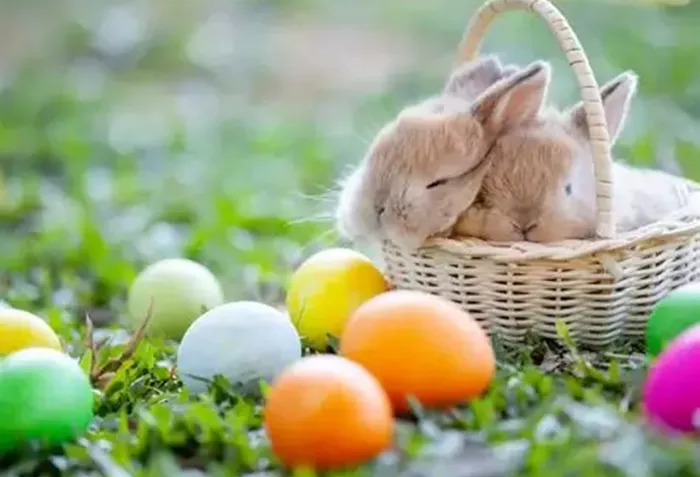
Easter is one of the most important holidays for Christians worldwide. It celebrates the resurrection of Jesus Christ, marking the victory of life over death. But for many people, especially children, Easter also means something very different: the Easter Bunny. This large, friendly rabbit delivers colorful eggs and candy. It is a fun and joyful symbol of the season. But what exactly does the Easter Bunny have to do with Easter? Why is a rabbit connected to a religious holiday about resurrection and new life? This article explores the fascinating history and meaning behind the Easter Bunny, showing how this symbol came to be part of Easter celebrations and what it represents today.
The Religious Meaning of Easter
To understand the Easter Bunny, we must first understand Easter itself. Easter celebrates the resurrection of Jesus Christ from the dead, as told in the Christian Bible. It is the foundation of Christian faith. Jesus’s resurrection symbolizes new life, hope, and the promise of eternal life for believers.
Easter follows Lent, a 40-day period of fasting and prayer. Easter Sunday is the joyful conclusion, where Christians rejoice in Jesus rising from the tomb. The holiday usually takes place in spring, a season naturally associated with rebirth and renewal in nature.
Origins of Easter Traditions
Many Easter customs blend religious ideas with older, pre-Christian traditions. Long before Easter became a Christian holiday, people in Europe and other parts of the world celebrated the arrival of spring. Spring meant the end of winter’s cold and the start of planting crops. It was a time of fertility, growth, and new beginnings.
The early Christian Church often adopted or adapted these older customs to help new converts understand and celebrate Christian beliefs. Symbols like eggs, rabbits, and spring flowers have roots in ancient festivals honoring fertility and life cycles.
Why a Bunny?
Rabbits as Symbols of Fertility
The Easter Bunny is, at its core, a rabbit or hare. Rabbits are known for their high fertility rates. They can produce many babies quickly, making them a natural symbol of new life and reproduction. This idea connected well with the spring season’s themes of fertility and rebirth.
In many ancient cultures, rabbits and hares were linked to fertility goddesses. For example, in some Celtic traditions, the hare was a sacred animal connected to the goddess Eostre or Ostara, who represented spring and renewal. Though evidence about Eostre is limited, this connection between hares and spring is widely believed.
The Link to Easter
The name “Easter” itself may come from this goddess Eostre, as recorded by the English monk Bede in the 8th century. According to him, pagans celebrated a festival in her honor during the spring equinox. When Christianity spread in England, the festival time was linked to the celebration of Christ’s resurrection.
The rabbit, as a symbol of Eostre’s fertility, thus found a natural place in Easter celebrations, blending with Christian themes of life and renewal.
The History of the Easter Bunny Tradition
Early Mentions in Europe
The Easter Bunny as a character delivering eggs first appeared in written records in the 17th century in Europe, especially in Germany. German immigrants brought this tradition to America in the 1700s.
Children believed that the Easter Bunny laid, decorated, and hid eggs. Eggs were considered special symbols of new life. The idea of a magical creature hiding eggs added an element of fun and surprise to the holiday.
Eggs and the Bunny: A Fertility Connection
Eggs, like rabbits, are ancient symbols of fertility and life. The custom of decorating eggs predates Christianity and was adapted for Easter to represent Jesus’s resurrection.
The connection between eggs and rabbits grew because both represent fertility and new life. The Easter Bunny became the mythical figure responsible for delivering these eggs to children.
Why Hiding Eggs?
The practice of hiding eggs likely started as a game. It encouraged children to search and find eggs, adding excitement to Easter celebrations. Over time, this became a central tradition in many countries.
In the United States and other parts of the world, Easter egg hunts are common. These hunts celebrate spring, new life, and joy. The Easter Bunny is the magical figure who brings eggs to hide for children to find.
The Evolution of the Easter Bunny in Culture
From Pagan Symbols to Christian Holidays
As Christianity spread, it absorbed and transformed older pagan customs. The rabbit and eggs remained part of the spring celebrations but took on new meanings related to Christ’s resurrection.
The Easter Bunny, however, is not part of official Christian doctrine or religious rituals. Instead, it became a folk tradition—a fun and symbolic way to celebrate spring and Easter.
The Easter Bunny in America
German settlers in Pennsylvania brought the Easter Bunny tradition to America in the 1700s. They called it the “Osterhase” or Easter hare. Children made nests for the hare to lay its colored eggs.
This tradition grew in popularity and spread across the country. The Easter Bunny became a key figure in American Easter celebrations, especially for families and children.
Commercialization of the Easter Bunny
In the 19th and 20th centuries, the Easter Bunny became a major commercial symbol. Chocolate bunnies, candy eggs, and colorful decorations appeared in stores. The bunny turned into a beloved character featured in books, cartoons, and movies.
While some people worry this takes away from Easter’s religious meaning, many enjoy the Easter Bunny as part of family fun and celebration.
Symbolism of the Easter Bunny Today
Life and Renewal
The Easter Bunny still represents life, fertility, and renewal. These themes connect both to spring and to the Christian message of resurrection. The bunny reminds people of nature’s cycles and the hope that comes with new beginnings.
Joy and Celebration
For many children, the Easter Bunny is a symbol of joy, magic, and celebration. It encourages imagination and happiness during the Easter season. The playful egg hunts and treats bring families together and create lasting memories.
A Bridge Between Traditions
The Easter Bunny shows how religious and cultural traditions can blend. It is an example of how old symbols can find new meanings. This fusion helps keep holidays rich and meaningful for diverse groups.
Other Animals and Symbols in Easter Traditions
While the rabbit is the most famous animal connected to Easter, other symbols also share similar meanings:
Chicks: Like rabbits, baby chicks represent new life and spring.
Lambs: The lamb is a Christian symbol representing Jesus as the “Lamb of God.”
Flowers: Spring flowers like lilies symbolize purity and resurrection.
These symbols together create a rich tapestry of meanings around Easter.
How the Easter Bunny is Celebrated Worldwide
Europe
In Germany and Austria, Easter Bunny traditions remain strong. Children still prepare nests for the bunny. In some regions, people hold Easter egg hunts or bake special cakes shaped like rabbits.
United States and Canada
The Easter Bunny is a key part of family celebrations. Public egg hunts, parades, and visits from costumed Easter Bunnies are common. Many children receive chocolate bunnies and baskets filled with candy.
Australia
Australia has a native animal called the bilby, a small marsupial. Some people promote the “Easter Bilby” instead of the Easter Bunny to raise awareness about wildlife conservation.
Other Countries
The Easter Bunny is less common in some countries where different Easter traditions exist. However, with globalization, the bunny is becoming more widely known and celebrated.
The Psychological and Social Impact of the Easter Bunny
Childhood Imagination and Wonder
The Easter Bunny encourages children to engage in imaginative play. The mystery of where eggs come from or how the bunny hides them adds excitement and wonder to the holiday.
Family Bonding
Easter Bunny activities, like egg hunts and crafting, create opportunities for families to spend quality time together. These shared experiences strengthen family bonds.
Cultural Identity and Continuity
For many communities, the Easter Bunny tradition connects generations. Parents pass stories and customs to children, preserving cultural heritage.
Criticism and Controversy
Religious Concerns
Some Christians feel the Easter Bunny distracts from the true meaning of Easter. They argue that focus on the bunny and candy overshadows Jesus’s resurrection.
Commercialization
Others criticize the heavy commercialization of Easter, where the bunny is used to sell products. They worry this reduces the holiday to shopping and consumption.
Balancing Tradition and Meaning
Many people seek a balance: they enjoy the Easter Bunny as a fun tradition while also honoring Easter’s religious significance.
Conclusion
The Easter Bunny is a fascinating example of how history, religion, culture, and nature come together in holiday traditions. Though not part of the original Christian story, the bunny symbolizes themes central to Easter—new life, fertility, and hope.
Over centuries, the Easter Bunny evolved from ancient spring symbols into a beloved character bringing joy to children worldwide. Whether seen as a magical visitor, a symbol of nature’s renewal, or a fun tradition, the Easter Bunny remains an important part of Easter celebrations.
By understanding its history and meaning, we can appreciate how the Easter Bunny connects us to the cycles of life and the deeper spiritual messages of Easter. It reminds us that, even in the darkest times, life and hope can bloom again.
Related topics: