
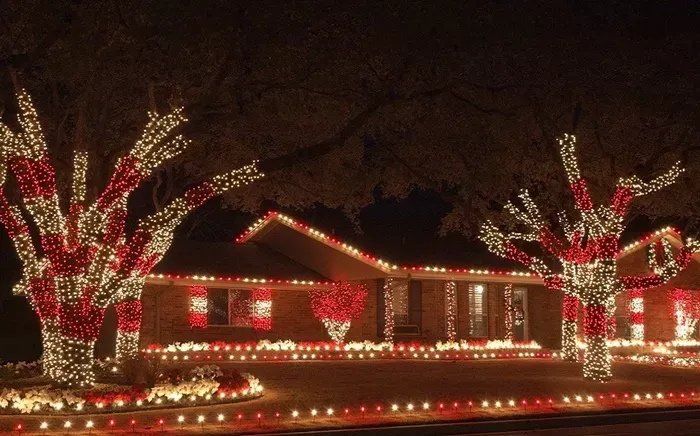
Christmas lights are a beloved tradition during the holiday season. They bring warmth, color, and festivity to homes and public spaces. The variety of colors and shapes often sparks curiosity, especially about the purpose of specific bulbs such as the red light. Understanding why there is a red light on Christmas lights can enhance appreciation for this holiday decoration and help users maximize their safety and enjoyment.
The Origins of Colored Bulbs
Colored bulbs have been part of Christmas lighting since the early 20th century. Initially, electric Christmas lights were all white. As technology advanced, manufacturers introduced colored glass and coatings to create red, green, blue, and yellow bulbs. The red bulb soon became one of the most popular choices due to its strong visibility and association with traditional Christmas colors.
Technical Purpose of the Red Bulb
In many modern Christmas light strands, especially those using older incandescent technology, one red bulb may serve as a “fuse bulb” or indicator bulb. This special bulb is sometimes designed to be easily identifiable so users can quickly locate it if the strand stops working. If the fuse inside the strand blows, the red bulb can indicate where replacement or inspection is needed. In some cases, manufacturers use a red bulb at the end of a strand to signal that electricity is flowing through all bulbs properly.
Red Bulb as a Decorative Element
Aside from technical functions, red bulbs are integral to festive designs. Red is one of the primary colors associated with Christmas due to its links with holly berries, Santa Claus’s outfit, and general holiday cheer. Designers strategically place red bulbs throughout strings to create visually pleasing patterns and evoke seasonal emotions.
Safety Features of Red Bulbs
Safety is an important consideration in any electrical decoration. Some manufacturers use a red bulb to indicate key safety information. For example, in newer LED sets, a single red light may signify that the set is properly connected or that it has reached its maximum extension limit. This helps prevent overloading circuits and reduces fire hazards.
Troubleshooting Christmas Lights Using the Red Bulb
When a string of lights stops working, the red bulb can serve as a helpful guide for troubleshooting. If your set includes a special red indicator or fuse bulb, check this first for damage or burnout. Replacing or adjusting this bulb can sometimes restore function to the entire strand without needing more extensive repairs.
Symbolism and Tradition
The color red holds deep cultural significance during Christmas. It represents joy, love, and celebration in many traditions around the world. By including a prominent red bulb in each set of lights, manufacturers honor these values and contribute to the overall holiday atmosphere.
Modern Advances: LED Technology and Red Bulbs
With the rise of LED technology, the function of individual colored bulbs has evolved. While many LED sets still include red bulbs for decorative reasons, their technical role has diminished since LEDs are less prone to burnout and do not require fuse bulbs in the same way as incandescent sets did. Nevertheless, some LED sets maintain a red indicator light for continuity or aesthetic purposes.
Practical Tips for Using Red Bulbs in Christmas Decorations
- Always check your light string instructions for information about special bulbs.
- If you notice that only the red bulb is not lit, consult your manual; it may be an indicator or fuse bulb.
- Use red bulbs creatively in your decorations by combining them with other colors for dynamic displays.
- Replace damaged bulbs promptly to maintain safety and visual appeal.
- Consider energy-efficient LED sets that offer long-lasting color without frequent replacement needs.
Conclusion
The presence of a red light on Christmas lights serves both practical and decorative purposes. Historically used as an indicator or fuse bulb in older strands, it helps with troubleshooting and safety. At the same time, it adds visual warmth and honors traditional symbolism associated with Christmas festivities. Understanding its role allows users to enjoy safer and more beautiful holiday displays.
Related topics: