
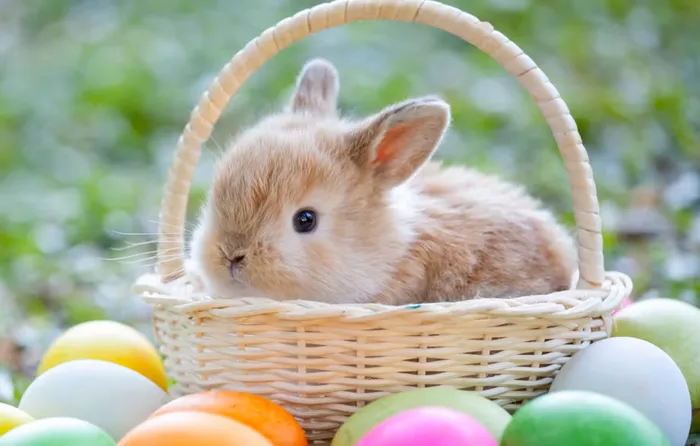
The Easter Bunny is one of the most beloved symbols of Easter, known for bringing joy, colorful eggs, and treats to children around the world. Most people imagine the Easter Bunny as a cheerful, anthropomorphic rabbit wearing clothes and hopping around with a basket. However, the real-life inspiration behind this character is much simpler. Understanding what the real-life Easter Bunny looks like involves exploring both biology and history. This article will guide you through the fascinating world of rabbits and hares, their appearance, behavior, and the connection to the Easter tradition.
The Origins of the Easter Bunny
The concept of the Easter Bunny comes from European traditions, particularly German folklore, where a hare called the “Osterhase” or “Easter Hare” was believed to lay colored eggs. This idea merged with Christian celebrations of Easter, symbolizing fertility and new life. Over time, the hare evolved into the modern, friendly Easter Bunny we know today. While the fictional Easter Bunny wears clothes and carries baskets, the real animal is far less decorative but equally charming.
Understanding Rabbits and Hares
To know what the real Easter Bunny looks like, it is essential to distinguish between rabbits and hares. Though similar, they belong to different species with distinct characteristics.
Rabbits
Rabbits are smaller, social animals that live in burrows called warrens. They have short, soft fur and long ears that help detect predators. Their strong hind legs allow them to hop quickly and escape danger. Domestic rabbits come in various colors, including white, brown, gray, and spotted patterns. They have large, dark eyes and a twitching nose, giving them a curious and gentle appearance.
Hares
Hares are larger, solitary animals with longer legs and ears than rabbits. They are built for speed and agility, allowing them to run fast in open fields. Hares are usually wild and have fur colors that help them blend into their environment, often brown, gray, or tan. Unlike rabbits, hares do not live in burrows but make simple nests above ground called forms.
Physical Characteristics of the Real Easter Bunny
When imagining the real-life Easter Bunny, think of a typical rabbit or hare without clothing or baskets. Their key physical features include:
Fur and Color
Most real rabbits have fur that ranges from soft white to shades of brown and gray. The color often depends on the species and environment. Some domestic rabbits may have more unusual colors like black, tan, or even spotted patterns. Hares usually have darker brown or gray fur to camouflage in the wild.
Ears
The ears of rabbits and hares are long and expressive. Rabbits use their ears to detect sounds from predators, while hares have even longer ears for enhanced hearing. The ears may stand straight up or tilt slightly, and they often twitch to communicate emotions.
Eyes and Vision
Rabbits and hares have large, dark eyes on the sides of their heads. This gives them a wide field of vision to spot danger from many directions. Their eyes give the impression of alertness and innocence, which may explain why they are associated with gentleness and kindness in folklore.
Legs and Movement
Strong hind legs define a rabbit’s ability to hop. Hares, with longer legs, can run at high speeds to evade predators. The hopping or bounding motion is iconic and contributes to the idea of the Easter Bunny as energetic and playful.
Size
The size of the real-life Easter Bunny varies depending on the species. Domestic rabbits can weigh between 2 to 6 kilograms, while hares can weigh up to 7 kilograms or more. Their bodies are compact but muscular, allowing for quick movement and agility.
Behavior of the Real Easter Bunny
The behavior of rabbits and hares also plays a role in understanding the real Easter Bunny. These animals are known for their gentle and social nature, as well as their alertness in the wild.
Feeding Habits
Rabbits are herbivores. They eat grasses, leaves, vegetables, and fruits. Hares have a similar diet but also eat bark, twigs, and buds in the winter. Their constant nibbling and grazing contribute to their lively and active behavior.
Social Structure
Rabbits often live in groups called colonies. This social behavior allows them to communicate, groom each other, and feel safe. Hares, on the other hand, are usually solitary except during mating season.
Reproduction and Fertility Symbolism
Rabbits are famously prolific breeders, which is why they have long been symbols of fertility and new life. This aspect directly links to Easter’s themes of rebirth and renewal. The real-life Easter Bunny represents life, growth, and abundance.
Habitat of the Real Easter Bunny
The natural habitats of rabbits and hares vary widely. Rabbits prefer areas with dense vegetation, forests, meadows, or grasslands where they can hide from predators. Hares are found in open fields, plains, and even deserts. Domestic rabbits live in controlled environments but retain natural instincts such as digging and hiding.
Rabbits in Culture and Folklore
Rabbits have appeared in folklore worldwide. In addition to the Easter Bunny, they appear in stories and myths symbolizing cleverness, luck, and abundance. The cultural depictions may exaggerate certain features, but the real-life animals are much simpler and grounded in nature.
Symbolism in Easter
The Easter Bunny represents new life and the arrival of spring. Rabbits’ reproductive abilities make them natural symbols of fertility. In medieval Europe, hares and rabbits were associated with lunar myths, tying them to cycles of renewal, much like the Easter celebration itself.
Differences Between Fictional and Real Easter Bunnies
The Easter Bunny we see in media is often anthropomorphized—wearing clothes, carrying baskets, and delivering eggs. In reality, rabbits and hares do not perform these activities. The real Easter Bunny is a wild or domesticated animal that hops, eats, and reproduces naturally. Appreciating the real-life animal provides a richer understanding of the symbol rather than focusing solely on the fantasy version.
How to Observe a Real Easter Bunny
Seeing a real Easter Bunny in nature requires patience. In gardens, meadows, or rural areas, rabbits are often more active at dawn and dusk. Observing quietly from a distance is best to avoid startling them. Domestic rabbits provide a more accessible opportunity to see and understand their behavior up close, without losing the essence of the real animal.
Fun Facts About Real Rabbits
Rabbits have nearly 360-degree vision, which allows them to detect predators easily.
They can jump up to 3 meters in a single leap, showcasing their strong legs and agility.
Rabbits communicate using body language, sounds, and even thumping their hind legs, which can alert other rabbits to danger.
They groom themselves and each other, maintaining cleanliness and social bonds.
Conclusion
The real-life Easter Bunny is a fascinating and charming creature that differs greatly from the whimsical, basket-carrying character of holiday stories. Understanding the biology, behavior, and symbolism of rabbits and hares enriches our appreciation for this beloved Easter icon. From their soft fur and expressive eyes to their energetic hops and social behavior, real rabbits provide the foundation for centuries of cultural storytelling. Recognizing the real Easter Bunny allows us to celebrate the holiday with a deeper connection to nature and the cycle of life that Easter represents.
Related topics: