
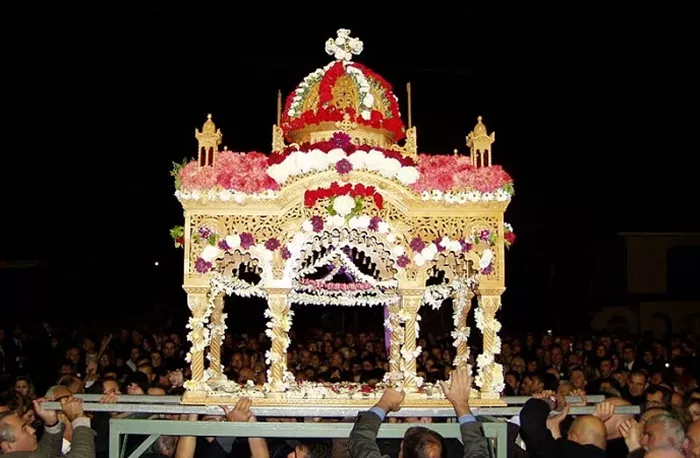
The celebration of Easter is one of the most important religious events for Christians worldwide. Among all Christian traditions, the Greek Orthodox Church has a distinctive way of determining the date of Easter. This observance is deeply rooted in centuries-old traditions and religious calculations. Understanding when Greek Orthodox Christians celebrate Easter involves both history and astronomy, and it reflects the rich cultural and spiritual heritage of the Orthodox faith.
The Importance of Easter in the Greek Orthodox Church
Easter, or Pascha as it is often called in the Greek Orthodox tradition, is the most significant feast in the Orthodox Christian calendar. It commemorates the resurrection of Jesus Christ from the dead, which is the central event of Christianity. The celebration of Pascha is more than just a holiday; it is a culmination of intense spiritual preparation, fasting, and prayer, making it the heart of Orthodox Christian life.
How Greek Orthodox Easter is Different
Unlike Western Christianity, which follows the Gregorian calendar, the Greek Orthodox Church uses the Julian calendar to calculate the date of Easter. This often results in Greek Orthodox Easter being celebrated on a different date than Easter in Western Christian traditions. While both traditions commemorate the same event—the resurrection of Jesus—the methods for calculating the date are different, leading to variations each year.
The Calculation of Greek Orthodox Easter
The date of Greek Orthodox Easter is determined using a combination of solar and lunar calendars. According to Orthodox tradition, Easter is celebrated on the first Sunday after the first full moon following the vernal equinox. However, the Church also ensures that Easter occurs after the Jewish Passover, maintaining the connection to the historical sequence of events in the Bible.
The Role of the Julian Calendar
The Greek Orthodox Church relies on the Julian calendar to establish key religious dates. Although the Julian calendar is slightly less accurate than the Gregorian calendar, it preserves the traditional methods of calculation that have been used for centuries. Because of this difference, Greek Orthodox Easter usually falls one to five weeks later than Western Easter.
The Paschal Full Moon
The Paschal Full Moon is central to determining the date of Easter. This is the first full moon that occurs on or after March 21, the date of the vernal equinox in the Julian calendar. The timing of this moon dictates when Orthodox Christians begin their celebration of Pascha.
The Rule of the Sunday
Once the Paschal Full Moon is identified, Easter is celebrated on the following Sunday. This ensures that the resurrection is always commemorated on a Sunday, aligning with the biblical narrative that Jesus rose on the first day of the week. This rule is consistent with Orthodox Christian teaching and emphasizes the spiritual significance of the resurrection.
Comparison with Western Easter
Western Christianity, including Roman Catholic and Protestant traditions, calculates Easter based on the Gregorian calendar. The difference in calendars and the method of calculation explains why Greek Orthodox Easter often does not align with Western Easter. In some years, the dates coincide, but more frequently, Greek Orthodox Easter occurs later.
Why the Dates Differ
The difference arises because the Julian calendar is currently 13 days behind the Gregorian calendar. This discrepancy affects both the vernal equinox and the timing of the Paschal Full Moon. Additionally, the Western Church does not require Easter to be after the Jewish Passover, which can lead to further variations in the date.
Traditional Preparations for Greek Orthodox Easter
Greek Orthodox Easter is preceded by a period of Lent, which lasts for 40 days. This period involves fasting, prayer, and reflection, helping the faithful prepare spiritually for the celebration of the resurrection. Holy Week, the final week before Easter, includes special services, rituals, and traditions that are unique to the Greek Orthodox Church.
Holy Week Observances
During Holy Week, the Greek Orthodox faithful participate in a series of solemn and meaningful services. These include:
- Palm Sunday: Celebrating Jesus’ entry into Jerusalem.
- Holy Thursday: Commemorating the Last Supper.
- Good Friday: Observing the crucifixion of Christ through processions and prayers.
- Holy Saturday: Preparing for the resurrection through the blessing of candles and final prayers.
Easter Sunday Traditions
On Easter Sunday, Greek Orthodox Christians celebrate with joy and festivity. The midnight service, called the Resurrection Service, begins late on Holy Saturday and continues into early Sunday morning. Candles are lit, hymns are sung, and the faithful greet each other with the phrase “Christ is Risen!” followed by the response “Truly He is Risen!”
Traditional Foods for Greek Orthodox Easter
Food plays a central role in the Easter celebration. After the long period of fasting, families prepare special dishes that are enjoyed together. Common foods include:
- Tsoureki: Sweet braided bread flavored with spices.
- Lamb: Often roasted, symbolizing Christ as the Lamb of God.
- Kokoretsi: Traditional dish made of seasoned offal, grilled on a spit.
- Red-dyed eggs: Symbolizing the blood of Christ and new life.
Cultural Significance of Greek Orthodox Easter
Beyond its religious meaning, Greek Orthodox Easter has deep cultural importance. It is a time for family gatherings, community celebrations, and the reinforcement of Greek heritage. Traditional music, dance, and local customs are all part of the festivities, making Easter both a spiritual and social highlight of the year.
Global Observance of Greek Orthodox Easter
Greek Orthodox communities around the world, including in the United States, Australia, and Europe, continue to celebrate Easter according to the Julian calendar. This global observance maintains the unity of tradition among Greek Orthodox Christians, allowing them to share the same spiritual and cultural experience regardless of geographic location.
Challenges in Observing Greek Orthodox Easter
Modern life and differences in calendars sometimes create challenges in observing Greek Orthodox Easter. Families may live far apart or have members practicing Western Christian traditions. Despite these challenges, Greek Orthodox Christians remain committed to their traditional observance, keeping the spiritual and cultural practices alive.
Why Greek Orthodox Easter is Important Today
Greek Orthodox Easter continues to play a vital role in religious life and cultural identity. It provides a moment for reflection, spiritual renewal, and communal connection. In a world that is increasingly fast-paced, the observance of Easter serves as a reminder of faith, heritage, and the enduring message of hope and resurrection.
Conclusion
Greek Orthodox Easter, or Pascha, is a deeply significant celebration that combines faith, tradition, and culture. Determined by the Julian calendar and the timing of the Paschal Full Moon, its date often differs from Western Easter, emphasizing the uniqueness of Orthodox Christian practice. Through fasting, prayer, special services, and festive meals, Greek Orthodox Christians honor the resurrection of Jesus Christ and strengthen their connection to both faith and heritage. Understanding when Greek Orthodox Easter occurs and the traditions surrounding it provides insight into the rich spiritual life of the Orthodox Church and the enduring importance of this sacred celebration.
Related topics: