
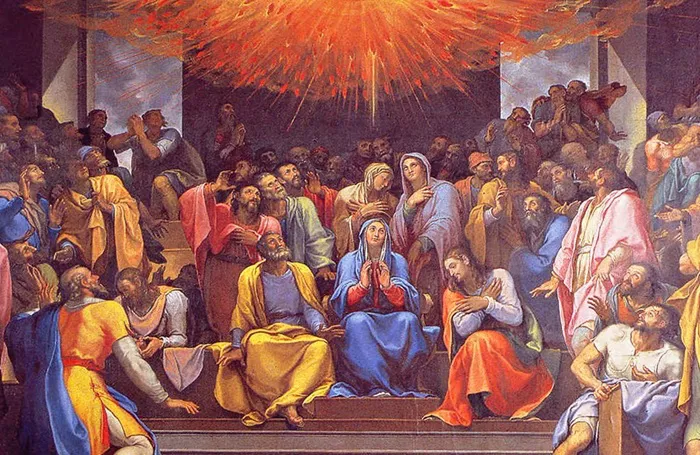
Pentecost is one of the most significant celebrations in the Christian calendar. It is often associated with the arrival of the Holy Spirit to the apostles, marking the birth of the Christian Church. However, many people wonder about its timing, especially in relation to Easter. Understanding how long Pentecost occurs after Easter requires knowledge of both religious history and the way the Christian calendar is structured. In this article, we will explore the meaning of Pentecost, its historical origins, how it is calculated, and its significance in modern Christianity.
The Meaning of Pentecost
Pentecost comes from the Greek word “Pentēkostē,” meaning “fiftieth.” It refers to the fiftieth day after Easter Sunday. This period is not random; it has deep roots in both Jewish and Christian traditions. In the Bible, Pentecost is described in the Book of Acts, chapter 2, where the Holy Spirit descends upon the apostles and enables them to speak in different languages. This event symbolizes the beginning of the apostles’ public ministry and the global spread of Christianity.
The Origin of Pentecost
Jewish Roots
Pentecost has its origins in the Jewish festival of Shavuot, which occurs fifty days after Passover. Shavuot is a harvest festival that also commemorates the giving of the Torah at Mount Sinai. Early Christians adapted this timing to commemorate the descent of the Holy Spirit after Jesus’ resurrection. Understanding the connection between Easter, Passover, and Pentecost provides a deeper appreciation of why Pentecost is celebrated fifty days after Easter.
Christian Adaptation
The early Church saw a spiritual significance in celebrating Pentecost fifty days after Easter. While Easter celebrates Jesus’ resurrection, Pentecost marks the fulfillment of his promise to send the Holy Spirit. By placing Pentecost fifty days after Easter, the Church emphasized continuity in God’s plan and the unfolding of salvation history.
How to Calculate Pentecost
Easter Sunday as the Starting Point
To determine when Pentecost occurs, we first need to identify Easter Sunday. Easter is a movable feast, meaning its date changes each year. It is celebrated on the first Sunday after the full moon following the vernal equinox, which usually falls between March 22 and April 25. Once Easter is determined, Pentecost is calculated as fifty days later, including Easter Sunday itself in the count.
The Fifty-Day Count
The term “fiftieth day” is important. Pentecost is celebrated on the fiftieth day after Easter Sunday, meaning it always falls on a Sunday. Counting fifty days includes both the starting point (Easter) and the ending point (Pentecost). This explains why Pentecost is sometimes referred to as the “fiftieth day of Easter” or the “end of the Easter season.”
Variations in Dates
Since Easter is a movable feast, Pentecost also changes dates each year. For example, if Easter falls on April 4, Pentecost will occur on May 23. Similarly, if Easter falls on April 25, Pentecost will be celebrated on June 13. This variability is why calendars and church planners pay careful attention to Easter when preparing for Pentecost celebrations.
The Liturgical Significance of Pentecost
End of Easter Season
Pentecost marks the conclusion of the Easter season in the liturgical calendar. The period from Easter Sunday to Pentecost Sunday is considered a time of joy and reflection, celebrating the resurrection and the work of Jesus in the lives of believers. Churches often maintain an Easter theme of light, hope, and renewal until Pentecost.
Celebration of the Holy Spirit
The primary focus of Pentecost is the celebration of the Holy Spirit. In many Christian traditions, Pentecost is considered the birthday of the Church because it marks the beginning of the apostles’ mission to spread the gospel. Special services often include prayers, readings from the Book of Acts, and hymns that highlight the work and gifts of the Holy Spirit. In some countries, clergy and congregants wear red to symbolize the flames of the Spirit.
Pentecost in Different Christian Traditions
Roman Catholic Observance
In the Roman Catholic Church, Pentecost is a solemnity, the highest form of feast day. It is preceded by a novena, a nine-day period of prayer, called the Novena to the Holy Spirit, which begins on the Monday after Ascension Thursday. Catholics attend Mass, participate in processions, and pray for the gifts of the Holy Spirit on Pentecost Sunday.
Protestant Observance
Protestant denominations also celebrate Pentecost with worship services, hymns, and prayers. Some communities emphasize missionary work and the empowerment of believers to serve others. Pentecost is seen as a reminder of God’s presence and guidance in daily life, inspiring faith and action.
Eastern Orthodox Observance
In the Eastern Orthodox Church, Pentecost is called the “Feast of the Holy Trinity.” It is preceded by a period called the Pentecostarion, which lasts fifty days from Easter. The Orthodox Church emphasizes both the descent of the Holy Spirit and the unity of the Trinity. Special liturgies, prayers, and icons are central to the observance.
Pentecost Traditions Around the World
European Customs
In many European countries, Pentecost is a public holiday with unique customs. In Germany, people decorate homes and churches with flowers and greenery. In France, traditional feasts and community events take place. These cultural celebrations highlight the joy and communal nature of Pentecost.
Latin American Traditions
In Latin America, Pentecost often combines religious observances with vibrant festivals. Parades, dances, and music accompany church services. These traditions reflect both the religious and cultural significance of Pentecost, emphasizing community, faith, and celebration.
Modern Practices
Today, Pentecost remains an important day in Christian life. Churches around the world continue to celebrate with worship, prayer, and educational programs. Some communities also use Pentecost to focus on social justice, missionary work, and charitable activities, linking the spiritual gifts of the Holy Spirit to practical action in society.
Why the Timing of Pentecost Matters
Spiritual Preparation
The fifty-day period between Easter and Pentecost is a time for reflection, prayer, and preparation. Christians meditate on the resurrection, the teachings of Jesus, and the promise of the Holy Spirit. This period strengthens faith and encourages believers to live out their spiritual commitments.
Liturgical Planning
For churches, understanding the timing of Pentecost is crucial for liturgical planning. Hymns, readings, and sermons are carefully chosen to correspond with this period. Celebrating Pentecost at the correct time maintains continuity in the liturgical year and ensures that the spiritual significance of both Easter and Pentecost is preserved.
Connection with Other Christian Feasts
Pentecost is connected with other important feasts such as Ascension Day, which occurs forty days after Easter. This relationship emphasizes the sequence of events in Christian theology, from Jesus’ resurrection to his ascension and the coming of the Holy Spirit. Recognizing this timeline enhances understanding of Christian teachings.
Practical Tips for Observing Pentecost
Church Attendance
To fully participate in Pentecost, attending church services is recommended. Special prayers, readings, and sermons focus on the Holy Spirit and the mission of the Church. In some traditions, candles, red vestments, and symbols of fire are used to signify the Spirit’s presence.
Personal Reflection
Individuals can observe Pentecost through personal reflection and prayer. Journaling, meditating on biblical passages, or engaging in acts of service are ways to honor the significance of the day. This personal observance complements communal celebrations and deepens spiritual experience.
Community Involvement
Pentecost can also be a time to strengthen community bonds. Hosting small gatherings, participating in charity work, or engaging in group worship encourages the practical application of faith. This aligns with the message of the Holy Spirit empowering believers to act in the world.
Pentecost Symbols and Their Meaning
Fire and Flames
Flames symbolize the Holy Spirit’s presence, as described in the biblical account of Pentecost. Many churches display candles or use red decorations to represent these flames, reminding worshippers of the Spirit’s transformative power.
Dove
The dove is a universal symbol of the Holy Spirit. It represents peace, guidance, and divine inspiration. In Pentecost celebrations, doves are often featured in artwork, decorations, and liturgical symbols.
Wind
Wind represents the unseen power of the Spirit, moving and guiding believers. Many services include references to wind and breath, emphasizing the Spirit’s influence in daily life and spiritual growth.
Conclusion
Pentecost is celebrated fifty days after Easter, marking the fulfillment of Jesus’ promise to send the Holy Spirit and the beginning of the Christian Church’s mission. Its timing is rooted in both Jewish and Christian traditions, and it carries profound spiritual, cultural, and liturgical significance. From historical origins to modern observances, Pentecost remains a vital celebration of faith, community, and the transformative power of the Holy Spirit. Understanding how long Pentecost occurs after Easter helps believers and observers appreciate the rhythm of the Christian calendar and the deep meaning behind this important feast.
Related topics: