
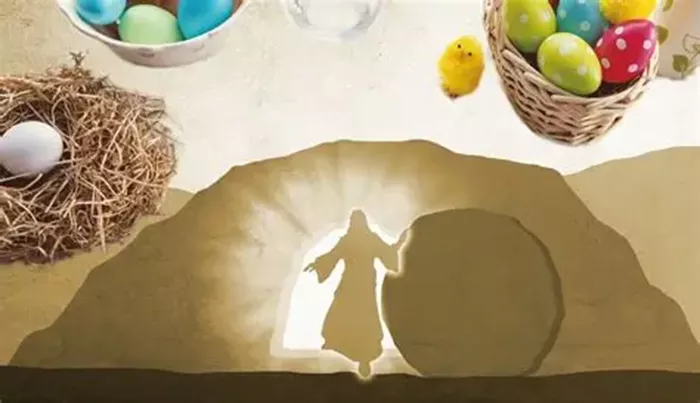
Easter Sunday is one of the most important and meaningful festivals in the Christian calendar. It is a day filled with joy, hope, and renewal. On this day, Christians around the world celebrate the resurrection of Jesus Christ from the dead. The celebration marks the victory of life over death and good over evil. It is not only a religious observance but also a cultural event that brings families and communities together.
Easter Sunday does not have a fixed date. It is celebrated on the first Sunday after the first full moon following the spring equinox. Because of this rule, the date usually falls between late March and late April. The season of Easter begins after a period of preparation known as Lent, which lasts for forty days. This preparation gives deeper meaning to the celebration that follows.
The Core Meaning of Easter Sunday
The Resurrection of Jesus Christ
The central focus of Easter Sunday is the resurrection of Jesus Christ. According to the New Testament of the Bible, Jesus was crucified on Good Friday. He died and was buried in a tomb. On the third day, which is Sunday, the tomb was found empty. Christians believe that Jesus rose from the dead, showing divine power and fulfilling prophecy.
This event is the foundation of Christian faith. Without the resurrection, Christianity would not exist in its present form. The resurrection confirms the belief that Jesus is the Son of God and that eternal life is possible for believers.
Victory Over Sin and Death
Easter Sunday celebrates victory. In Christian theology, sin separates humanity from God. Jesus’ death is understood as a sacrifice that pays the price for sin. His resurrection demonstrates triumph over death. Therefore, Easter represents hope, forgiveness, and new life.
For believers, Easter is not only about remembering a historical event. It is about experiencing spiritual renewal. Many Christians see Easter as a time to reflect on personal growth and faith.
The Religious Observances of Easter Sunday
Church Services
Church services are central to Easter Sunday. Many churches hold special sunrise services. These services often take place outdoors and symbolize the discovery of the empty tomb at dawn. Hymns of joy and praise are sung, and sermons focus on the resurrection message.
Churches are often decorated with flowers, especially lilies. The white lily is a symbol of purity and new life. The mood of the service is joyful and celebratory, very different from the solemn tone of Good Friday.
The Easter Vigil
In many Christian traditions, especially Roman Catholic and Orthodox communities, the Easter Vigil is held on the night before Easter Sunday. This service includes readings from Scripture, the lighting of candles, and sometimes baptisms. The vigil marks the transition from darkness to light, symbolizing Christ’s resurrection.
Baptisms and Confirmations
Easter is a traditional time for baptisms. Baptism represents spiritual rebirth. New members join the church community on this significant day. Confirmations may also take place, affirming faith and commitment.
Symbols Associated with Easter Sunday
The Empty Tomb
The empty tomb is the most important symbol of Easter. It represents the resurrection and the promise of eternal life. In religious art and church decoration, the image of an open tomb often appears during the Easter season.
The Cross
The cross is a central symbol of Christianity. On Easter Sunday, the cross is often decorated with flowers. This transformation from a symbol of suffering to one of beauty reflects the movement from death to life.
Easter Eggs
Eggs are ancient symbols of new life. In many cultures, eggs became part of Easter celebrations. Christians adopted the egg as a symbol of resurrection. Just as a chick emerges from an egg, Jesus emerged from the tomb.
In some traditions, eggs are dyed in bright colors. Red eggs are especially common in Eastern Christian communities. The color red symbolizes the blood of Christ and the joy of resurrection.
The Easter Bunny
The Easter Bunny is a popular symbol in Western cultures. Although it does not have direct biblical meaning, it represents fertility and spring. The bunny brings decorated eggs to children, combining religious tradition with cultural celebration.
Family Traditions on Easter Sunday
Family Gatherings
Easter Sunday is often a time for families to gather. After attending church services, families share meals together. The meal is a celebration of joy and unity. Traditional dishes vary by country and culture.
Special Meals
Lamb is a traditional Easter dish in many Christian households. It symbolizes Jesus as the “Lamb of God.” Other common foods include ham, bread, cakes, and seasonal vegetables. In some cultures, special pastries are prepared only for Easter.
Egg Hunts
Children often participate in Easter egg hunts. Adults hide decorated eggs, and children search for them. This activity is playful and joyful. While it is not religious in nature, it reflects the theme of discovery associated with the empty tomb.
Easter Around the World
Western Christian Traditions
In Western Christianity, including Roman Catholic and Protestant communities, Easter Sunday is a day of celebration and church attendance. Music plays an important role. Choirs perform special hymns and anthems that emphasize resurrection themes.
Eastern Orthodox Traditions
In Eastern Orthodox churches, Easter is called Pascha. The celebration may occur on a different date due to the use of a different calendar system. The service includes chanting, candlelight, and the proclamation that Christ is risen. The congregation responds with joy and affirmation.
Secular Celebrations
In many countries, Easter Sunday is also a public holiday. Even people who are not religious may celebrate through family gatherings and seasonal festivals. Spring decorations, pastel colors, and floral displays are common.
The Connection Between Easter and Spring
Easter is closely linked with the season of spring in the Northern Hemisphere. Spring represents renewal and growth. Flowers bloom, trees grow new leaves, and the days become longer. These natural changes align with the message of new life found in the resurrection story.
While Easter is rooted in Christian belief, its timing during spring strengthens its themes of hope and transformation.
The Spiritual Message of Easter Sunday
Hope
Easter Sunday offers hope. It assures believers that suffering and death do not have the final word. The resurrection shows that life continues and that faith has meaning.
Forgiveness
Forgiveness is another key theme. Through the resurrection, Christians believe that reconciliation with God is possible. This belief encourages forgiveness among individuals and communities.
New Beginnings
Easter encourages fresh starts. Many people use this time to reflect on their values and goals. Churches often speak about spiritual renewal and personal transformation.
Why Easter Sunday Remains Important Today
Despite changes in society, Easter Sunday remains significant. For Christians, it is the central celebration of faith. For others, it is a time of family unity and seasonal joy. The combination of deep religious meaning and cultural tradition gives Easter lasting relevance.
The message of resurrection continues to inspire people. It speaks to universal human experiences such as loss, renewal, and hope. Even in modern times, these themes remain powerful.
Conclusion
On Easter Sunday, Christians celebrate the resurrection of Jesus Christ. This event represents victory over death, forgiveness of sin, and the promise of eternal life. The day is marked by church services, joyful music, symbolic traditions, and family gatherings. Cultural practices such as egg hunts and festive meals add warmth and color to the celebration.
At its heart, Easter Sunday is about hope and renewal. It connects faith with the natural rhythm of spring. Whether observed through solemn worship or joyful family traditions, Easter Sunday continues to be a meaningful and powerful festival around the world.