
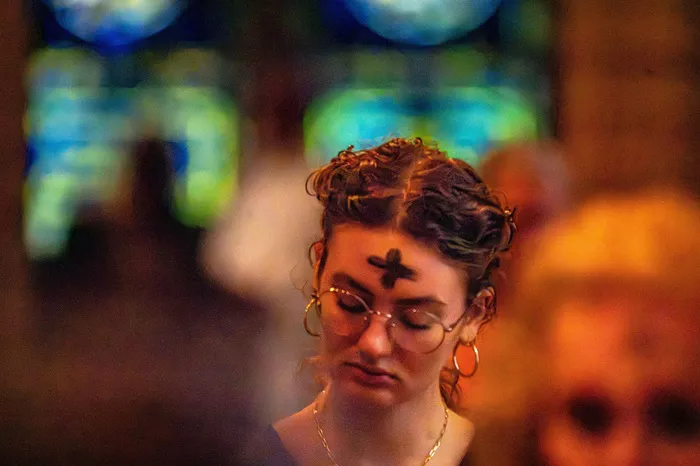
Easter is one of the most significant festivals in the Christian calendar. It celebrates the resurrection of Jesus Christ from the dead, marking the triumph of life over death. The timing of Easter changes every year, and so does the schedule for Easter Mass. Millions of Christians around the world gather to attend special church services during this period. Understanding when Easter Mass takes place and its significance can enhance your celebration and participation in this sacred tradition.
Understanding Easter and Its Importance
Easter is more than just a holiday; it is a spiritual celebration that holds deep religious significance. Christians believe that Jesus Christ was crucified, died, and rose from the dead on the third day. This event symbolizes hope, renewal, and the promise of eternal life. Easter Mass is the central celebration that allows believers to commemorate the resurrection of Christ. It often involves prayers, hymns, readings from the Bible, and the Eucharist, which brings the community together in faith.
How the Date of Easter Is Determined
The date of Easter is not fixed. It is based on a combination of solar and lunar calendars. Easter is celebrated on the first Sunday following the full moon after the vernal equinox, which is usually around March 21. This calculation ensures that Easter Mass aligns with both Jewish Passover traditions and Christian liturgical practices. As a result, Easter can fall anytime between March 22 and April 25. The method of calculation is known as the Computus, which has been used by churches for centuries.
The Schedule of Easter Mass
Easter Mass is usually held on Easter Sunday, the day that marks the resurrection of Jesus. However, many churches also hold special services during Holy Week, leading up to Easter Sunday. These include:
Maundy Thursday Mass
Maundy Thursday commemorates the Last Supper of Jesus with his disciples. Churches often hold evening Masses that include the washing of feet ceremony, symbolizing humility and service. This is the beginning of the Easter Triduum, which lasts three days and concludes on Easter Sunday.
Good Friday Services
Good Friday is a solemn day that marks the crucifixion of Jesus. Although no Mass is held on Good Friday in many traditions, special services including the reading of the Passion, prayers, and veneration of the cross are conducted. This prepares the faithful for the joyous celebration of Easter.
The Easter Vigil
The Easter Vigil is held on the night of Holy Saturday. It is one of the most important and symbolic celebrations in the Christian calendar. This Mass often begins after sunset and may last several hours. It includes the lighting of the Paschal candle, readings from Scripture, and the celebration of sacraments such as Baptism and the Eucharist. Attending the Easter Vigil is considered a profound way to experience the spiritual significance of Easter.
Easter Sunday Mass
Finally, the main Easter Sunday Mass is celebrated on Sunday morning. It is marked by joyous hymns, festive decorations, and the proclamation of Christ’s resurrection. In many churches, multiple Masses are held throughout the day to accommodate all parishioners. The Easter Sunday Mass is often the most attended service of the year, with families gathering to worship and celebrate together.
Regional Variations in Easter Mass
The timing and style of Easter Mass can vary depending on the denomination and region. In the Roman Catholic Church, the Easter Vigil and Sunday Mass follow a structured liturgy that includes readings from both the Old and New Testaments. Protestant churches may emphasize sermons and hymns, while Orthodox Christians often celebrate Easter according to the Julian calendar, which can result in a different date for Easter Mass.
Practical Tips for Attending Easter Mass
For those planning to attend Easter Mass, here are a few practical tips:
- Check the schedule of your local church in advance, as Mass times may vary.
- Arrive early to find seating, especially for popular services like the Easter Vigil.
- Dress respectfully and appropriately for the church setting.
- Participate in the hymns, prayers, and sacraments if you are a practicing Christian.
- Consider attending multiple services to experience different aspects of the Easter celebration.
The Spiritual Significance of Easter Mass
Beyond the logistics, attending Easter Mass provides a chance for reflection and spiritual renewal. The Mass allows believers to connect with the story of Jesus’ resurrection and its relevance in their own lives. It encourages themes of forgiveness, hope, and renewal. Many Christians find that participating in Easter Mass strengthens their faith and brings a sense of community and shared purpose.
Family and Community Involvement
Easter Mass is not just a personal spiritual experience; it is a community event. Families often attend together, and children may participate in special activities such as Easter plays, choir performances, or processions. In some regions, churches organize festive gatherings after Mass, where people share meals and celebrate together. These activities help reinforce the sense of belonging and communal faith.
Preparing for Easter Mass
Preparation is an important part of celebrating Easter. Many believers engage in fasting, prayer, or charitable acts during Lent, the 40-day period leading up to Easter. Decorating the church, practicing hymns, and reviewing Scripture readings can also enhance participation in Easter Mass. By preparing spiritually and practically, attendees can experience the full richness of the Easter celebration.
Common Questions About Easter Mass
Many people have questions about attending Easter Mass. Here are a few common ones:
- Can non-Christians attend Easter Mass? Yes, most churches welcome anyone who wishes to observe or participate respectfully.
- Do I need to attend the Easter Vigil? It is highly recommended but not required. Attending the Easter Sunday Mass is the main obligation.
- Is Easter Mass the same everywhere? The essence is the same, but the timing, language, and rituals may vary by denomination and region.
- How long does Easter Mass last? Easter Vigil can last several hours, while Easter Sunday Mass usually lasts 1-2 hours.
Conclusion
Understanding when Easter Mass takes place is essential for fully participating in one of Christianity’s most important celebrations. From Maundy Thursday to Good Friday, the Easter Vigil, and Easter Sunday Mass, each service plays a vital role in commemorating the resurrection of Jesus Christ. Attending these Masses provides spiritual renewal, strengthens community bonds, and allows believers to celebrate faith in a meaningful way. By preparing thoughtfully and participating actively, Easter Mass becomes a profound and memorable experience for all who attend.
Related topics: