
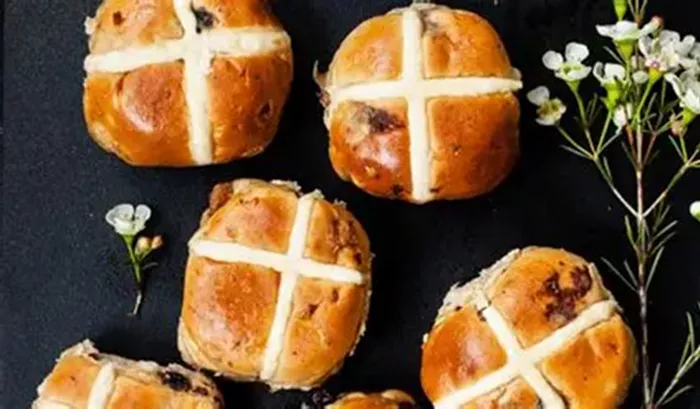
Easter is a time for reflection, celebration, and tradition, often marked by delicious foods and significant symbols. One of the most beloved treats associated with this holiday is the hot cross bun. These sweet, spiced buns, decorated with a simple cross on top, have become an iconic symbol of Easter in many cultures. But why are hot cross buns so deeply ingrained in Easter traditions? In this article, we will explore the history, symbolism, and cultural significance of hot cross buns during the Easter season.
Introduction to Hot Cross Buns
Hot cross buns are small, round sweet buns that are typically made with a mixture of flour, sugar, milk, butter, and spices like cinnamon and nutmeg. They are often studded with dried fruits such as currants or raisins and are easily recognized by the white cross on their tops, which makes them stand out from other types of buns.
The buns are traditionally eaten on Good Friday, the day commemorating the crucifixion of Jesus Christ. However, their popularity extends beyond this solemn day, with people enjoying them throughout the entire Easter season.
In this article, we will dive into why hot cross buns have become a staple of Easter celebrations and how they have come to represent a mixture of religious and cultural traditions. We will explore their origins, their symbolism, and the customs surrounding their preparation and consumption.
Origins of Hot Cross Buns
Early Beginnings: Pagan Roots?
The origins of hot cross buns are somewhat unclear, but there are several theories about their history. One popular belief is that they have pagan roots. In ancient times, people baked buns or cakes in honor of the spring equinox, symbolizing the end of winter and the arrival of spring. These early buns were often adorned with symbols representing the fertility of the earth, such as crosses or other geometric shapes.
In this context, the cross on the bun could symbolize the four seasons, the four elements, or even the sun. The use of spices like cinnamon, nutmeg, and clove may have been linked to the warming of the body during the cold winter months.
The Christian Connection: A Symbol of the Cross
However, the hot cross bun as we know it today is most closely associated with Christianity. The most widely accepted theory is that the buns originated in England during the 12th century. According to legend, a monk from the Abbey of St. Albans in Hertfordshire created the first hot cross bun. The story goes that the monk baked buns for Good Friday and marked each one with a cross to symbolize the crucifixion of Jesus Christ.
Over time, the hot cross bun became a symbol of Easter in Christian traditions, with the cross on the bun representing the crucifixion of Christ. The practice of eating the buns on Good Friday became an important part of the Easter observances in many Christian communities.
Symbolism of Hot Cross Buns
The hot cross bun is a food rich in symbolism, making it much more than just a sweet treat. Here are the key symbols associated with the bun and its role in Easter celebrations.
The Cross
The most obvious and important symbol on a hot cross bun is the cross itself. This cross represents the crucifixion of Jesus Christ, a central event in Christian theology. For Christians, Good Friday is the day to reflect on the suffering and death of Christ, and the hot cross bun serves as a reminder of his sacrifice.
The cross is typically made with icing or dough, and it often appears as a simple, elegant symbol of the Christian faith. It serves as a visual cue that this food is specifically tied to Easter and the death and resurrection of Jesus.
The Spices
The spices used in hot cross buns also hold significance. Traditionally, hot cross buns contain a blend of cinnamon, nutmeg, and clove. These spices have historical associations with the warmth of spring and the transition from winter to summer. They also have symbolic ties to the gifts brought by the Magi to the newborn Jesus: gold, frankincense, and myrrh.
Cinnamon is sometimes seen as a representation of Christ’s sweetness and love, while cloves may symbolize the crucifixion itself, as cloves are often associated with the scent of death. Nutmeg, with its rich aroma, might symbolize the richness of Christ’s sacrifice.
The Fruits
The dried fruits found inside hot cross buns, such as currants, raisins, or sultanas, also have meaning. These fruits can symbolize the sweetness of the resurrection and the fruits of Christ’s work on Earth. Some people also believe that the fruits represent the tears shed by Christ’s followers during his crucifixion.
In some traditions, the fruit filling could also be seen as a symbol of the sins of humanity, which were borne by Christ during his death on the cross.
The Bun’s Shape
The round shape of the hot cross bun is also symbolic. Round buns have been used for centuries to symbolize the cycle of life and the seasons. In the case of the hot cross bun, this circular shape represents eternity and the eternal life that Christians believe is offered through the resurrection of Jesus Christ.
Additionally, the round shape may signify the world or the globe, which was redeemed by Christ’s death and resurrection.
Hot Cross Buns and Easter Traditions
Good Friday Tradition
In many Christian households, hot cross buns are traditionally eaten on Good Friday. This day commemorates the crucifixion of Jesus Christ, and the buns, with their symbolic cross, are seen as an appropriate food for the occasion. It is a solemn time when people reflect on the suffering of Christ and what his death means for their faith.
In some cultures, hot cross buns are also served during church services, especially on Good Friday. They are sometimes blessed by the priest before being shared among the congregation. The act of sharing these buns after a religious service symbolizes the communal nature of the faith and the importance of unity in Christ.
The Superstition: Hot Cross Buns for the Year
In addition to their religious symbolism, hot cross buns are often associated with various superstitions and folk beliefs. One common superstition is that hot cross buns have special powers that can protect against evil spirits. In some parts of the world, it is believed that hanging a hot cross bun in the kitchen or over the door will bring blessings and prevent fires.
Another superstition suggests that a hot cross bun baked on Good Friday will stay fresh for a year and can be used to ward off illnesses. This belief led to the tradition of saving a hot cross bun from one year to the next as a way of preserving its symbolic power.
Hot Cross Buns in Other Easter Celebrations
Although they are most closely associated with Good Friday, hot cross buns have become a part of Easter celebrations in many cultures. In countries like England, Australia, and New Zealand, people enjoy hot cross buns throughout the entire Easter season. In some places, hot cross buns are even eaten during Easter Sunday breakfast, marking the joyous celebration of Christ’s resurrection.
The buns are often served with butter, jam, or other spreads, making them a delicious and comforting part of the holiday feast. In some traditions, families might bake hot cross buns together as part of their Easter preparation, making it a shared experience that strengthens familial bonds.
The Global Spread of Hot Cross Buns
While hot cross buns have their roots in England, their popularity has spread across the world, especially in countries with strong Christian traditions. In many Commonwealth nations, such as Australia, Canada, and New Zealand, hot cross buns are a well-known part of Easter celebrations.
In the United States, hot cross buns are not as widely consumed, but they can still be found in specialty bakeries, particularly in areas with a significant Christian population. The buns have also made their way into various multicultural Easter traditions, with some adaptations that reflect local tastes and customs.
Conclusion
Hot cross buns have a long and rich history, rooted in both Christian tradition and cultural symbolism. The simple, yet meaningful cross on the top of each bun serves as a powerful reminder of the sacrifice of Jesus Christ, while the spices, fruits, and shape of the bun carry their own layers of significance.
Whether enjoyed on Good Friday or throughout the Easter season, hot cross buns offer more than just a tasty treat—they are a symbol of faith, community, and the rich traditions that have been passed down for centuries. So, the next time you bite into a warm, spiced hot cross bun, take a moment to reflect on the deeper meaning behind this beloved Easter food.
Related topics: