
Easter is one of the most significant holidays celebrated across the globe. While many associate it with bunnies, colorful eggs, and springtime festivities, the true meaning of Easter goes far deeper. It’s a time to celebrate and reflect on the resurrection of Jesus Christ. But why do we celebrate Easter? Who do we honor, and what is the purpose behind this holiday?
In this article, we will explore the origins of Easter, its religious significance, and the ways in which people celebrate it today. We will also delve into its cultural and historical context, shedding light on why Easter holds such importance in Christian communities and beyond.
The Origins of Easter
The Religious Roots of Easter
Easter is celebrated by Christians to commemorate the resurrection of Jesus Christ. According to Christian belief, Jesus died on the cross for the sins of humanity and was buried. Three days later, He rose from the dead, symbolizing victory over sin and death. This resurrection marks the foundation of the Christian faith and the hope for eternal life.
The story of Easter is found in the New Testament of the Bible, specifically in the Gospels of Matthew, Mark, Luke, and John. The events surrounding Jesus’ resurrection take place during the Jewish festival of Passover, which is why the date of Easter is closely tied to the lunar calendar.
Early Easter Traditions
The origins of Easter celebrations can be traced back to the early Christian church. The first Christians, who were primarily Jewish, began observing the resurrection of Jesus shortly after His death. In fact, the celebration of Easter likely began as a form of worship that commemorated the resurrection every Sunday, since early Christians already considered Sunday to be a special day, known as the “Lord’s Day.”
By the 2nd century, Christians began celebrating Easter as a distinct holiday, marking the resurrection with feasts, prayers, and hymns. Over time, various customs and traditions emerged, many of which were influenced by the seasons and agricultural practices.
The Significance of Easter
A Celebration of Life and Renewal
Easter represents much more than just the resurrection of Jesus; it is a celebration of life and renewal. In Christian theology, the resurrection signifies the triumph of life over death, good over evil, and hope over despair. It’s a reminder that no matter how difficult life may be, there is always the possibility of new beginnings.
The timing of Easter also aligns with the arrival of spring in many parts of the world. Spring is a season of growth, renewal, and rebirth. This natural cycle of life mirrors the central theme of Easter — the hope of new life that comes through Christ’s resurrection.
Easter and Salvation
For Christians, Easter is a celebration of the promise of salvation. Jesus’ resurrection is seen as a guarantee that, through Him, believers can have eternal life with God. Easter reminds Christians of God’s love and the sacrifice that was made for their sins. It is a time of reflection, gratitude, and renewal of faith.
Many Christians use the period of Lent, which precedes Easter, to prepare for this holy celebration. Lent is a time of fasting, prayer, and penance, culminating in the joyous celebration of the resurrection on Easter Sunday.
Easter in Different Christian Denominations
Roman Catholicism and Easter
For Roman Catholics, Easter is the culmination of the liturgical year. The Easter Vigil on Holy Saturday night is one of the most important services, featuring the lighting of the Paschal candle, Scripture readings, and the celebration of the Eucharist. The Easter Sunday Mass is a joyous occasion, with hymns, prayers, and a focus on the resurrection.
Catholic traditions also emphasize the 40 days of Lent, which end with the joyous Easter celebration. The period of Eastertide, which lasts for 50 days, is marked by continued festivities and a deep sense of gratitude for Jesus’ victory over death.
Eastern Orthodox Christianity and Easter
The Eastern Orthodox Church celebrates Easter, also known as Pascha, with similar reverence. However, the Orthodox Church follows the Julian calendar, which often places Easter on a different date than the Western Christian churches. Pascha is celebrated with a midnight service, during which the priest exclaims, “Christ is risen!” and the congregation responds, “He is risen indeed!”
In Orthodox tradition, Easter is a time of deep spiritual reflection, and the fasting period leading up to Pascha is more rigorous than in other denominations. The Easter feast, which follows the Paschal service, is one of the most important meals of the year, featuring rich foods that symbolize the joy of the resurrection.
Protestantism and Easter
Protestant denominations also celebrate Easter, but the way it is observed can vary. Many Protestant churches hold sunrise services to mark the resurrection of Jesus, while others celebrate with special worship services on Easter Sunday. The emphasis is typically on the Bible readings that tell the story of Jesus’ resurrection and the significance of that event for believers.
Protestants generally do not have as many traditional rituals as Catholics or Orthodox Christians, but Easter is still seen as the most important celebration in the Christian calendar.
Secular Celebrations of Easter
While Easter has deep religious significance for Christians, many people around the world, regardless of faith, participate in secular Easter celebrations. These celebrations often focus on themes of renewal, family, and community, drawing from both Christian traditions and older cultural customs.
Easter Eggs and the Easter Bunny
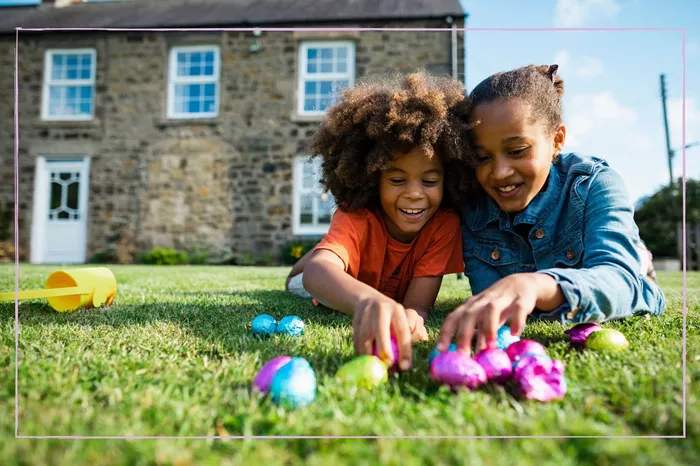
Perhaps the most recognized symbols of Easter are the Easter eggs and the Easter bunny. The tradition of decorating eggs and giving them as gifts can be traced back to ancient cultures, where eggs symbolized fertility and rebirth. Over time, these symbols were incorporated into Easter celebrations as a way of celebrating life and renewal.
The Easter bunny, which is believed to deliver Easter eggs to children on Easter Sunday, likely has roots in pre-Christian springtime festivals. Rabbits are known for their fertility, and as such, they became associated with the themes of renewal and new life that are central to the Easter story.
Easter Parades and Family Gatherings
Easter is also a time for family gatherings and community celebrations. In many countries, people participate in Easter parades, wearing new clothes to symbolize new beginnings. In the United States, the Easter Parade in New York City is a famous event where people showcase elaborate hats and enjoy the festive atmosphere.
Family gatherings are another important aspect of Easter. It is a time for loved ones to come together, enjoy a meal, and celebrate the season of renewal. In some cultures, Easter dinners include lamb, eggs, and other symbolic foods.
The Global Celebration of Easter
Easter is celebrated around the world, though the customs and traditions vary greatly depending on the country and culture. From the colorful parades in Spain to the solemn church services in Ethiopia, Easter is a time for people of all backgrounds to reflect on themes of life, renewal, and hope.
Easter in Europe
In Europe, Easter is celebrated with a mix of religious observances and cultural traditions. In countries like Italy and Spain, elaborate processions and feasts take place. In Poland, the Easter Monday tradition of “Śmigus-Dyngus” involves playful water fights, symbolizing the cleansing of sins.
Easter in the Americas
In the Americas, Easter celebrations range from religious services to community festivals. In Mexico, the week leading up to Easter, known as “Semana Santa” (Holy Week), features processions and reenactments of the Passion of Christ. In the United States, Easter egg hunts and family gatherings are common ways to celebrate.
Easter in Asia and Africa
While Easter is primarily a Christian holiday, it is also observed in some countries in Asia and Africa. In countries like the Philippines, Easter is marked by religious rituals, including the “Salubong,” a pre-dawn ritual that reenacts the meeting between the risen Christ and His mother, Mary. In Africa, Easter is celebrated with church services, dances, and communal meals.
Conclusion:
Easter is much more than a holiday marked by eggs, bunnies, and feasts. It is a time to celebrate the resurrection of Jesus Christ, to reflect on the meaning of life, and to embrace the hope of renewal. Whether you are celebrating for religious reasons or simply enjoying the festivities with family and friends, Easter is a reminder of the power of life, the triumph of good over evil, and the promise of new beginnings.
So, who do we celebrate Easter? We celebrate Jesus Christ, whose resurrection brings hope and salvation to Christians around the world. And in doing so, we also celebrate life, renewal, and the chance for new beginnings.
Related topics: