
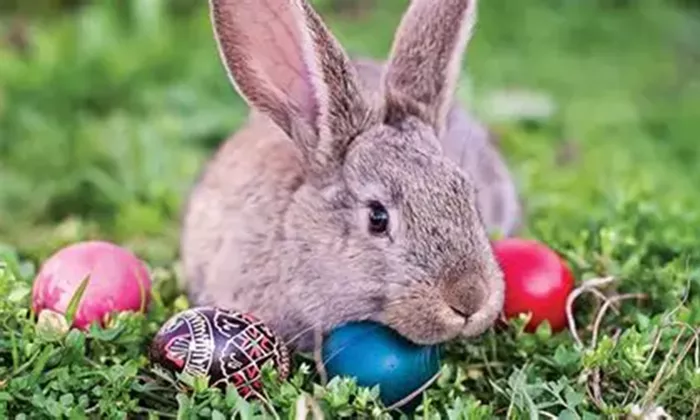
The Easter Bunny is one of the most beloved symbols of springtime and renewal. Known for delivering colorful eggs, candy, and joy to children, the Easter Bunny is often depicted as cheerful, fluffy, and mischievously generous. But beyond the chocolate eggs and grassy baskets lies a question few people pause to consider: What do Easter Bunnies like to drink?
This question may seem whimsical, even humorous. After all, the Easter Bunny is a mythological figure—an icon of Western spring festivals, blending ancient pagan traditions with modern consumer culture. But in the world of festivalology, such inquiries open the door to richer understandings of holiday symbolism, human imagination, and the cultural life of folklore characters. What Easter Bunnies “like to drink” is not just a question of flavor. It is about how we imagine non-human beings, how we humanize them, and how we build a universe around their habits, behaviors, and personalities.
In this article, we will explore the imagined drinking preferences of Easter Bunnies by drawing on folklore, historical traditions, children’s literature, seasonal habits, botanical associations, and symbolic interpretations. We will also delve into how artists, writers, and brands have portrayed these preferences over time. While Easter Bunnies are not real animals, the answer to what they drink reflects a blend of storytelling, culture, and creativity.
The Origins of the Easter Bunny and Its Evolution
To understand what Easter Bunnies might like to drink, we need to look at where they come from. The concept of a rabbit delivering eggs dates back to pre-Christian Europe. Rabbits and hares were symbols of fertility and spring, associated with the Germanic goddess Eostre. These creatures were seen as magical beings—capable of reproducing rapidly, surviving harsh winters, and bringing new life.
In 17th-century Germany, stories began to circulate about an “Osterhase” or Easter Hare that laid eggs for good children. When German immigrants brought this tale to America in the 1700s, the Easter Bunny gradually evolved into the egg-delivering icon we know today. Unlike Santa Claus, who was given a backstory including reindeer, a sleigh, and a North Pole address, the Easter Bunny remained more elusive and mysterious.
The result is a creature rich in symbolic layers but without a definitive biography. This gives storytellers and artists creative freedom. It also gives us room to imagine its dietary habits—including its choice of drink.
Drinks in Folklore: Why It Matters What the Bunny Drinks
In many cultures, mythological beings are given human traits. Santa drinks milk. Leprechauns love Irish whiskey. Greek gods sip nectar and ambrosia. Drinks are symbolic. They represent identity, lifestyle, and even magical power.
So, asking what the Easter Bunny drinks is more than playful speculation. It’s an invitation to think about what kind of character the bunny is:
−Is it a wild forest creature with herbal tastes?
−Is it a whimsical fairy with a fondness for flower elixirs?
−Is it a hardworking delivery rabbit in need of refreshment?
Each interpretation opens up possibilities. Let’s explore them in depth.
Carrot Juice: The Classic Imagined Favorite
One of the most obvious answers is carrot juice. Carrots and rabbits are strongly linked in popular culture, largely due to cartoons like Bugs Bunny. Children often associate rabbits with munching on crunchy orange vegetables. So it makes sense to imagine the Easter Bunny enjoying a tall glass of fresh carrot juice.
But this imagined drink isn’t just based on cartoon habits. Carrots symbolize health, energy, and eye strength—qualities you’d expect from a bunny that must hop across the globe on Easter night. Fresh carrot juice is sweet, earthy, and vibrant in color, which aligns with the bright and joyful palette of Easter celebrations.
Moreover, from a seasonal standpoint, early spring is a time when root vegetables like carrots are abundant. If the Easter Bunny were a creature of nature, carrot juice would be a nourishing, vitamin-rich drink.
Herbal Infusions: A Taste of the Meadow
Another possibility is that Easter Bunnies prefer herbal teas and wildflower infusions. As springtime forest dwellers, they are imagined to live among meadows and glades, close to nature. In this version of the folklore, the bunny might sip on chamomile, peppermint, dandelion tea, or rosehip infusions. These drinks are light, calming, and fragrant.
This vision fits well with the idea of the Easter Bunny as a gentle, nurturing figure—like a woodland healer. Herbal teas evoke images of peace and wisdom, connecting the bunny with Earth’s renewal during spring.
Symbolically, herbs represent healing and rebirth. Drinking herbal tea could suggest the Easter Bunny’s deeper role in the symbolic restoration of the earth after winter. It’s not just a candy-delivering mascot—it’s a being of nature, rhythm, and serenity.
Dewdrops and Rainwater: Nature’s Purest Drink
In fairy tales and folklore, magical creatures often consume things ordinary humans overlook—like dewdrops from early morning petals or fresh rainwater collected in leaves. These subtle, poetic drinks align with the mysterious and elusive nature of the Easter Bunny.
If the Easter Bunny were a spirit of nature, invisible to humans yet intimately connected to the rhythms of the seasons, it makes sense to imagine it drinking the purest forms of water. Dewdrops gathered at dawn could symbolize purity, renewal, and gentleness—all qualities reflected in the spring season and the Easter celebration.
This vision paints the Easter Bunny as more of a forest sprite than a cartoon animal. Its drink of choice is something delicate, spiritual, and tied to the earth’s subtle beauty.
Clover and Honey Elixirs: Sweetness with Meaning
What if the Easter Bunny prefers something sweet, but not artificial? A popular imagined drink is a clover-honey elixir—a homemade spring tonic made from clover blossoms steeped in warm water, sweetened with wild honey.
This imagined drink connects directly with symbols of luck (clover) and nature’s abundance (honey). Bees begin to reappear in spring, collecting nectar from early blooms. The Easter Bunny, being a creature of the season, could be imagined to follow a similar rhythm, finding sweetness in flowers and sharing that sweetness through its gifts.
Such a drink has symbolic resonance too. Honey has long been seen as a sacred substance in folklore—connected to immortality, healing, and the divine. Clover is often linked to joy, luck, and fertility. If the Easter Bunny drinks a clover-honey elixir, it aligns with its role as a bringer of hope and prosperity.
Strawberry Milk or Berry Smoothies: For the Playful Side
In modern children’s books and cartoons, Easter Bunnies are often given more playful and colorful personalities. In these portrayals, it’s easy to imagine the bunny sipping strawberry milk, berry smoothies, or fruit nectar—drinks that are fun, sweet, and full of vibrant spring colors.
These imagined drinks reflect the childlike wonder of Easter. Pastel-colored liquids mirror the aesthetics of dyed eggs and sugar-coated treats. A glass of pink strawberry milk fits right into the world of jellybeans, marshmallow chicks, and chocolate bunnies.
It also symbolizes celebration. While nature-based drinks like rainwater reflect purity and renewal, fruit-based drinks represent joy, taste, and abundance. This version of the bunny is festive, sociable, and cheerful—a perfect match for the excitement Easter brings to families and children.
Warm Milk: Comfort and Rest
Another imagined possibility is warm milk, especially in bedtime stories featuring the Easter Bunny. Warm milk has long been a symbol of comfort, nourishment, and childhood calm. In stories where the bunny rests after a long night of egg delivery, a cup of warm milk might be the perfect ending.
This also emphasizes the bunny’s gentle character. Unlike more boisterous holiday figures like Halloween ghouls or New Year’s partygoers, the Easter Bunny is quiet, soft-footed, and nurturing. A warm, soothing drink supports that image.
In some tales, the Easter Bunny is said to work late into the night. So a warm drink to wind down might be just what it needs after hopping from one garden to another, hiding treats and bringing smiles.
Symbolism Behind the Drink Choices
Every drink we’ve imagined so far carries symbolic weight. Let’s look at what they represent collectively:
Carrot juice = health, energy, clarity
Herbal tea = wisdom, serenity, connection to nature
Dewdrops = purity, subtle beauty
Clover and honey = abundance, sweetness, spring fortune
Strawberry milk = joy, innocence, celebration
Warm milk = comfort, gentleness, maternal warmth
These drinks reflect different layers of the Easter Bunny’s symbolic personality—from healer to celebrant, from nurturer to mystical forest creature. What drink we imagine it sipping tells us what we believe the Easter Bunny represents in our culture.
Easter Bunnies in Literature and Their Imagined Habits
In children’s literature, Easter Bunnies often appear with highly anthropomorphic traits. They wear vests, carry baskets, paint eggs, and sometimes drink from little cups or teacups. In these depictions, their drinks vary depending on the story’s tone.
For example, in The Country Bunny and the Little Gold Shoes, the Easter Bunny is portrayed as wise and hardworking. In such a story, the bunny might drink something sensible and nourishing—like herbal tea or vegetable broth.
In more whimsical tales, like Peter Rabbit spin-offs, the Easter Bunny might drink fruity concoctions or tea made from flower petals. These stories encourage us to imagine the bunny not just as a candy deliverer, but as a personality with routines, preferences, and even a taste for the finer, softer things in life.
Modern Marketing and Easter Bunny Imagery
In modern media and advertisements, the Easter Bunny is almost always shown with candy—but what about drinks? While not as common, some brands have imagined bunny-themed beverages:
Easter-themed milkshakes
Carrot-vanilla smoothies
Chocolate-bunny hot cocoa
These drinks are marketed more for children than bunnies, but they reflect the traits projected onto the bunny. The drinks are sweet, colorful, and playful—just like the holiday itself.
This commercial layer adds another dimension. It turns the Easter Bunny into a character of indulgence, sweetness, and treat culture. While the original symbolism was fertility and spring, today’s bunny is also a mascot for seasonal delight.
Conclusion
So, what do Easter Bunnies like to drink?
There is no single answer—because the Easter Bunny, like many folkloric figures, is a mirror of our own creativity. Whether it sips carrot juice, collects dewdrops, enjoys strawberry milk, or drinks from a teacup full of chamomile, the imagined drink reflects how we see the bunny itself.
More than just a holiday mascot, the Easter Bunny is a symbol of:
Spring’s renewal
Childhood wonder
Nature’s beauty
Quiet magic
Its imagined drink preferences reveal how humans blend fantasy, culture, and emotion into the traditions we pass down each year.
Ultimately, the Easter Bunny drinks what we imagine it to. And through that drink—whether warm, sweet, herbal, or wild—we glimpse not only its world but also our own capacity for celebration, storytelling, and joy.
Related topics: