
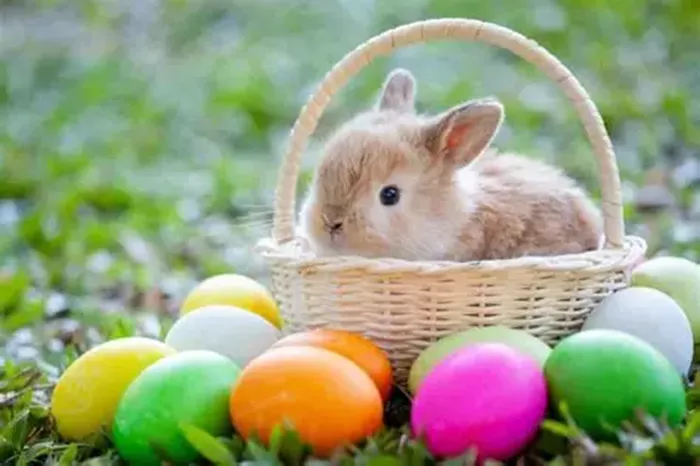
The Easter Bunny is one of the most popular symbols of Easter, especially in Western cultures. Children look forward to Easter morning, when the bunny is said to bring baskets filled with colored eggs, candies, and toys. Some children even leave out carrots the night before, hoping the Easter Bunny will visit them like Santa Claus on Christmas Eve. But behind this modern, cheerful image lies a complex and fascinating history. The origins of the Easter Bunny are far older than chocolate eggs and pastel-colored baskets. They reach back into ancient pagan rituals, medieval folklore, and religious symbolism.
This article explores the full origin of the Easter Bunny. We’ll examine how it started, how it evolved, and how it became the beloved icon we know today. Through this journey, we’ll uncover the deep cultural layers that gave rise to the Easter Bunny tradition and see how myths, beliefs, and customs from different periods shaped it.
The Pre-Christian Roots of Easter Celebrations
Long before Easter became associated with the resurrection of Jesus Christ, spring was already celebrated as a time of renewal and rebirth. In many ancient cultures, spring marked the end of winter and the start of the agricultural year. Nature woke up. Plants began to bloom. Animals gave birth to new offspring. These events filled early people with hope and joy, which they expressed through festivals.
One of the oldest connections between spring and fertility comes from pagan traditions in Europe. Many of these ancient spring festivals were associated with fertility goddesses. These goddesses symbolized life, growth, and new beginnings. The rabbit, or hare, became associated with some of these goddesses because of its reputation as a prolific breeder. Rabbits can produce many offspring in a single year, so they became a natural symbol of fertility and abundance.
Ostara: The Germanic Goddess of Spring
One figure often mentioned in connection with the Easter Bunny is Ostara (sometimes spelled Eostre). Ostara was a pagan goddess worshipped by Germanic tribes. She represented dawn, springtime, and fertility. The Venerable Bede, an English monk writing in the 8th century, mentioned that the month of April was named after this goddess. He wrote that the Anglo-Saxons celebrated a festival called “Eosturmonath” in her honor.
Though historical records about Ostara are limited, later folklorists and writers suggested that hares and eggs were part of her symbolism. According to some accounts, Ostara transformed a bird into a hare to help it survive the winter. The hare, however, retained its ability to lay eggs. This story may be one of the earliest forms of the Easter Bunny tale, though no ancient texts confirm it directly. Still, the connection between Ostara, hares, and eggs became a part of later folk traditions.
The Symbol of the Hare in Ancient Europe
Before rabbits entered the story, hares held symbolic meaning in Europe. Hares are similar to rabbits but are larger and live above ground. They were seen as magical and mysterious animals in many ancient cultures. In Celtic tradition, the hare was linked to the moon and to feminine energy. People believed that hares were messengers of the gods or even shape-shifters.
Because hares were mostly active at night and had unusual mating behaviors, they were often associated with supernatural qualities. In some folk beliefs, they were connected to witches or spirits of nature. They appeared in many myths and were often considered sacred animals.
The hare’s connection to fertility, mystery, and rebirth helped it find a place in springtime celebrations. As Christianity spread through Europe, some of these older beliefs were absorbed into Christian customs.
Easter in Christianity and the Arrival of Symbols
With the spread of Christianity, Easter took on a new religious meaning. Christians began to celebrate Easter as the day of Jesus Christ’s resurrection from the dead. This religious event became the centerpiece of the Christian calendar. However, the Church did not remove all the earlier spring customs. Instead, it adapted them.
Many pagan traditions were blended with Christian holidays. This process is called syncretism, and it was common throughout history. The Easter Bunny is one example of this blending. While the resurrection story focuses on spiritual renewal, symbols like eggs and rabbits continued to represent physical renewal and new life.
By the Middle Ages, eggs had become a traditional part of Easter celebrations. Eggs symbolized the tomb and resurrection. Just as life comes out of a seemingly lifeless egg, Jesus was believed to have risen from the dead. In Eastern Orthodox and Western Christian traditions, eggs were dyed red to represent the blood of Christ.
From Hare to Rabbit: The Shift in Species
The Easter Bunny was not always a rabbit. In early German folklore, it was a hare that brought colored eggs to children. This hare was known as the Osterhase or Oschter Haws. The idea first appeared in writing during the 17th century in Germany, though it likely existed earlier in oral tradition.
The Osterhase was said to lay eggs in nests made by children. German children would make small nests in their gardens or homes, hoping the magical hare would leave colored eggs inside. This tradition began to take on more playful features, with sweets and small toys joining the eggs.
When German immigrants came to America in the 1700s, particularly to Pennsylvania, they brought this tradition with them. Over time, the hare became a rabbit—a more familiar animal to Americans. The Osterhase became the Easter Bunny, and the idea spread to other parts of the country. The nests became baskets, and the eggs were joined by chocolate, jelly beans, and plush toys.
Eggs and Baskets: The Growing Tradition
As the Easter Bunny gained popularity, so did the practice of Easter egg hunts. The idea of hiding eggs and letting children search for them added an element of fun to the holiday. Parents would hide decorated eggs around the yard or house, and children would use baskets to collect them.
The eggs themselves also became more elaborate. In addition to hard-boiled eggs dyed with food coloring, chocolate eggs began to appear in the 19th century. With the Industrial Revolution, factories could mass-produce chocolate confections. This made Easter treats more affordable and widely available.
Baskets filled with goodies became a staple of Easter morning. The Easter Bunny was no longer just a hare who laid eggs. He became a gift-giver, much like Santa Claus. Some traditions even had the bunny entering homes at night to deliver baskets while children slept.
The Commercialization of the Easter Bunny
By the late 19th and early 20th centuries, the Easter Bunny had become a commercial figure. Candy companies, toy manufacturers, and greeting card creators embraced the character. The bunny appeared on packaging, advertisements, and storefront displays.
In the 20th century, the commercialization continued to grow. Department stores created Easter Bunny displays and photo booths, similar to Santa Claus setups at Christmas. Parents brought children to meet the Easter Bunny, and photographs of the experience became part of the holiday tradition.
This commercial version of the Easter Bunny is now central to how Easter is celebrated in many Western countries. Though some people still observe the religious aspects of the holiday, the cultural and economic influence of the Easter Bunny remains strong.
Global Differences in Easter Traditions
Not all cultures celebrate Easter with the Easter Bunny. In many countries, other symbols are used to represent the holiday. For example:
In France, Easter bells (les cloches de Pâques) are said to fly to Rome on Good Friday and return on Easter Sunday, dropping eggs for children.
In Switzerland, a cuckoo bird is sometimes said to deliver eggs instead of a rabbit.
In Australia, the Easter Bunny has faced competition from the Easter Bilby, a native marsupial. Conservationists promoted the bilby to raise awareness of endangered species.
These variations show how traditions adapt based on local culture, wildlife, and values. While the Easter Bunny dominates in the United States and parts of Europe, other symbols still hold meaning in different regions.
The Deeper Meaning Behind the Symbol
Although the modern Easter Bunny is often seen as just a fun character, it carries a deeper message. At its heart, the bunny represents renewal, hope, and life. These are the same themes found in both ancient pagan spring festivals and Christian Easter beliefs.
The rabbit’s connection to fertility reminds us of the power of life to return even after the coldest, darkest season. The egg, often hidden or waiting to be opened, symbolizes the mystery of rebirth. Together, the rabbit and the egg speak to something that all people can relate to—the desire for renewal, joy, and celebration of life.
Conclusion
The Easter Bunny is more than just a holiday mascot. Its story weaves together ancient fertility myths, medieval folklore, Christian symbolism, and modern marketing. Though it may seem like a simple children’s story today, the bunny’s roots stretch deep into the cultural history of humanity.
From Ostara’s hare to the Osterhase, from dyed eggs to chocolate baskets, the tradition has evolved over centuries. It has crossed continents and blended beliefs. The Easter Bunny stands today as a symbol of life’s enduring power to renew itself and bring joy.
Even as times change, the Easter Bunny continues to bring delight to families around the world. And whether he arrives in the form of a magical hare, a rabbit bearing chocolate, or a symbol of spring’s arrival, his message remains the same: life is returning, and it’s time to celebrate.
Related topics: