
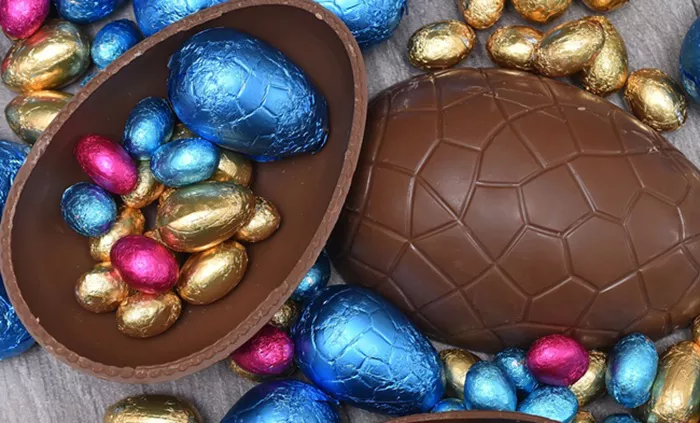
Easter is a time of joy and celebration, marked by various traditions and customs. Among the most iconic symbols associated with the holiday is the Easter egg, and more specifically, the chocolate egg. These delightful treats are seen everywhere in the lead-up to Easter: in stores, advertisements, and Easter egg hunts. But have you ever wondered how this sweet tradition came to be? Why do we have chocolate eggs at Easter, and how did this modern custom evolve over time? In this article, we will explore the historical, cultural, and symbolic significance of chocolate eggs at Easter.
The Symbolism of Eggs in Easter
Eggs have been associated with Easter for centuries, long before the introduction of chocolate eggs. The egg is a symbol of rebirth, renewal, and new life, making it a perfect fit for a holiday that celebrates the resurrection of Jesus Christ. The connection between eggs and Easter can be traced back to ancient cultures, where eggs were often given as a gift to signify the arrival of spring and the end of winter.
In Christian traditions, the egg represents the empty tomb of Jesus after His resurrection. The hard shell symbolizes the sealed tomb, and when cracked open, it reveals the new life that emerges—just as Jesus emerged from the tomb. This powerful symbolism made eggs a fitting part of Easter celebrations.
The Historical Origins of Easter Eggs
The custom of decorating eggs for Easter can be traced to medieval Europe, particularly in the Orthodox Christian traditions of Eastern Europe. In these early days, eggs were often dyed red to symbolize the blood of Christ. It was also common to present eggs as gifts to friends and family, a tradition that continues today in various forms.
During the Lenten season, many Christians would give up animal products, including eggs. However, as Easter approached, these eggs were collected, dyed, and decorated as a way of celebrating the end of the fasting period. The egg, once a symbol of sacrifice, was now a symbol of joy and celebration.
In addition to the symbolism, eggs played a practical role. They were one of the few foods that could be preserved during the Lenten fast, and by Easter, they were abundant and ready to be enjoyed once again.
The Evolution of Chocolate Eggs
While eggs had already been associated with Easter for centuries, it wasn’t until the 19th century that the idea of the chocolate egg emerged. The early 1800s saw the rise of chocolate as a popular treat in Europe, and with the growth of the chocolate industry, chocolatiers began to experiment with creating hollow chocolate eggs. The first chocolate eggs were likely made in France and Germany in the early 1800s, using traditional chocolate-making techniques. These early eggs were often filled with other sweets, such as candies or marzipan.
One of the first documented instances of chocolate eggs being produced commercially was in 1873 by the British company, Fry’s. Their chocolate eggs were sold as a luxury item, a far cry from the simple, decorated eggs of earlier Easter traditions. As the years passed, the production of chocolate eggs became more widespread, and the tradition of giving and receiving chocolate eggs at Easter became a common practice.
Why Chocolate? The Appeal of Sweet Treats at Easter
The choice of chocolate for Easter eggs is not just a random one; it is tied to both tradition and the widespread popularity of chocolate itself. Chocolate is a universally loved treat, and its association with Easter likely stems from the desire to combine the symbolism of the egg with the indulgence of sweet treats during a time of celebration.
Chocolate, especially in its solid form, represents a treat that is rich, satisfying, and luxurious. The sweetness of chocolate offers a contrast to the more somber nature of Lent, making it a fitting indulgence after a period of fasting. Furthermore, the rich, dark color of chocolate also adds to the aesthetic appeal of Easter eggs, creating a sense of decadence and celebration.
The Rise of Easter Egg Hunts and Chocolate Egg Gifts
The tradition of Easter egg hunts, where children search for hidden eggs, is closely linked to the arrival of chocolate eggs. This fun and festive activity, which is popular in many countries around the world, adds a playful element to the Easter celebration. The origins of the Easter egg hunt are thought to have been inspired by the fertility rituals associated with spring, a time of renewal and growth.
As the custom of chocolate eggs gained popularity, it made sense for chocolatiers and parents alike to hide chocolate eggs for children to find. The excitement of searching for eggs—whether they are filled with candy, toys, or, of course, chocolate—has become an integral part of the Easter experience. In many households, Easter egg hunts are a central part of the celebration, bringing families together to enjoy the spirit of the season.
Modern Chocolate Eggs and Their Commercialization
In the modern era, chocolate eggs have become a multi-billion-dollar industry. Major chocolate companies, such as Cadbury, Lindt, and Ferrero, produce a wide variety of chocolate eggs, from small, individually wrapped eggs to large, elaborate hollow eggs filled with even more chocolate or toys. The commercialization of chocolate eggs has turned them into a symbol not just of religious observance, but of consumerism and modern festive celebrations.
The marketing of chocolate eggs often begins well before Easter, with advertisements and promotions geared toward both children and adults. The commercial nature of chocolate eggs has led to the creation of new traditions, such as the Easter egg roll, where large chocolate eggs are rolled down hills, or the design of extravagant chocolate eggs for display rather than consumption. While some may see the commercialization of Easter as diminishing the religious meaning of the holiday, for many, the chocolate egg has become a beloved part of the overall Easter experience.
Easter Eggs and Cultural Differences
While chocolate eggs have become a global phenomenon, different cultures around the world have their own variations of the Easter egg tradition. In some countries, chocolate eggs are exchanged, while in others, they are decorated and displayed. In countries like Germany and Austria, the Easter Bunny is said to hide colorful, decorated eggs for children to find. In Italy, a large chocolate egg filled with smaller chocolates is often given as a gift to family members.
In the UK, Cadbury’s famous “Creme Egg” has become a beloved part of Easter celebrations, and many people associate the brand with the holiday. Meanwhile, in France and Belgium, chocolate eggs are often filled with praline, marzipan, or other gourmet fillings, showcasing the rich culinary traditions of these countries.
The Environmental Impact of Chocolate Eggs
As the demand for chocolate eggs has grown, so too has the environmental impact of their production. From the sourcing of cocoa beans to the packaging of individual eggs, the production process can be resource-intensive. Many chocolate manufacturers have recognized the need to address sustainability concerns and are working toward more eco-friendly practices, such as using Fairtrade-certified cocoa and reducing plastic packaging.
The rise in demand for artisanal and handmade chocolate eggs has also led to an increased focus on the environmental footprint of smaller, independent chocolatiers. While the mass production of chocolate eggs may pose environmental challenges, there is a growing movement toward more sustainable, ethical chocolate consumption.
Chocolate Eggs as a Symbol of Modern Easter
Today, chocolate eggs are far more than just a delicious treat; they have become a symbol of modern Easter itself. Whether enjoyed by children during an Easter egg hunt, gifted to loved ones, or used as a centerpiece in holiday displays, chocolate eggs represent both the religious and secular aspects of the holiday. They embody themes of renewal, joy, and indulgence, while also connecting to the rich traditions of the past.
In conclusion, the tradition of chocolate eggs at Easter is the result of a long history of symbolism, cultural evolution, and commercial innovation. From ancient fertility rituals to modern-day Easter egg hunts, chocolate eggs have come to symbolize the renewal and celebration that Easter represents. Whether you view them as a sweet indulgence or a way to connect with the deeper meanings of the holiday, there’s no denying that chocolate eggs are an integral part of Easter traditions worldwide.
Related topics: