
Christmas in Germany is a deeply cherished holiday that blends rich traditions, festive celebrations, and heartfelt family gatherings. The German Christmas season, known as “Weihnachten”, is one of the most eagerly anticipated times of the year. It’s a season filled with warmth, joy, and centuries-old customs, where communities and families come together to celebrate the birth of Jesus Christ.
Germany is known for its Christmas markets, its Advent traditions, and its delicious Christmas foods. The way Germans celebrate this holiday reflects the country’s long-standing customs and love for family-oriented festivities. As one of the key countries that shaped many modern Christmas traditions, such as the Christmas tree, Germany plays a central role in spreading the magic of the season worldwide.
In this article, we will explore how Germans celebrate Christmas, from the beginning of Advent to the climax of Christmas Eve, and through to the festive period of the New Year. Whether you’re planning a visit or simply curious about German culture, you’ll find this exploration of German Christmas traditions both informative and delightful.
The Advent Season: Anticipating Christmas
In Germany, the Christmas season doesn’t begin with December 25th; it starts with Advent. The period of Advent, which spans four Sundays before Christmas, holds great significance in German culture. It’s a time of preparation, reflection, and anticipation.
Advent Calendars are one of the most beloved German traditions during this period. These calendars, filled with small surprises behind each door, are a fun way for children (and adults!) to count down the days until Christmas. While the modern versions of Advent calendars are often filled with chocolates or small toys, the tradition dates back to the 19th century, originating in Germany.
Advent Wreaths, or “Adventskranz,” are another cherished custom. Made from evergreens, these wreaths are adorned with four candles. One candle is lit each Sunday of Advent, symbolizing hope, peace, joy, and love. The lighting of the candles is often accompanied by family prayers or quiet moments of reflection, adding a serene, peaceful atmosphere to the household.
Christmas Markets: A Festive Tradition
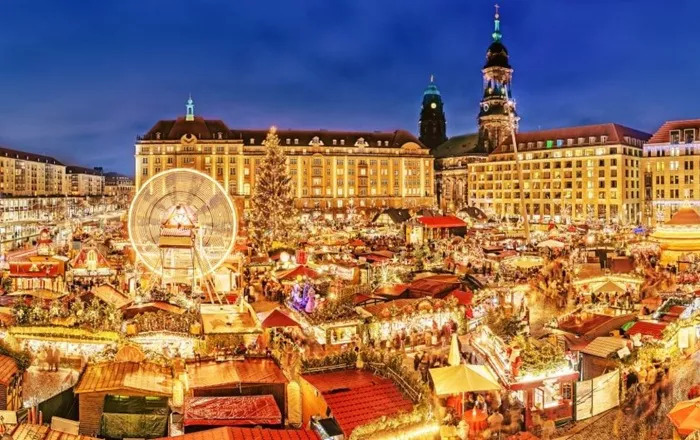
One of the most magical aspects of Christmas in Germany is the Christmas Market, or “Weihnachtsmarkt”. These festive outdoor markets spring up in cities and towns across the country, offering a rich sensory experience filled with the smells of mulled wine, roasted chestnuts, and gingerbread.
Germany is home to some of the world’s oldest and most famous Christmas markets. The Nuremberg Christkindlesmarkt and the Dresden Striezelmarkt are among the most well-known, attracting millions of visitors every year. These markets are often located in the heart of the city, near cathedrals or town squares, creating a warm and inviting atmosphere that fills the streets with holiday cheer.
At these markets, visitors can browse stalls selling handmade ornaments, wooden toys, and other artisanal goods. A key highlight is the wide variety of seasonal foods and drinks available, such as Lebkuchen (gingerbread), Stollen (fruit bread), and Glühwein (mulled wine). The markets provide not only a place for shopping but also a space for socializing and enjoying the festive ambiance.
Decorating the Christmas Tree
The Christmas tree, or “Weihnachtsbaum”, is a central feature of German Christmas celebrations. Although the tradition of decorating a Christmas tree is now common worldwide, it has its origins in Germany. The first documented use of a Christmas tree in Germany dates back to the 16th century in the city of Strasbourg (now part of France).
By the 19th century, the custom of decorating a Christmas tree had become widely popular in Germany and spread to other parts of Europe. In Germany, it is common for families to decorate their trees on Christmas Eve, just before the holiday celebrations begin.
The tree is usually adorned with beautiful ornaments, including candles (modern-day electric ones), angels, stars, and homemade decorations. Tinsel and baubles are also common, while many families incorporate personal touches such as dried fruit, nuts, and ribbon. In some regions, a small “Krippe” (nativity scene) might also be placed underneath the tree.
Christmas Eve: The Heart of German Celebrations
In Germany, Christmas Eve (Heiligabend) is the most important day of the Christmas season. Unlike in many countries, where Christmas Day is the main celebration, Germans typically celebrate on the evening of December 24th. This is the time when families come together for a festive meal, share gifts, and attend church services.
The Christmas Dinner is often a central part of the celebration. The meal varies depending on the region but typically includes a variety of hearty, traditional dishes. In many families, roast goose or roast duck is the main dish, accompanied by side dishes such as red cabbage, potato dumplings, and gravy. Some regions, especially in southern Germany, might opt for fish dishes, such as carp.
After dinner, families gather around the Christmas tree to exchange gifts. In German culture, the exchange of gifts is often a more intimate and meaningful affair compared to the grandiosity seen in some other countries. Gifts are usually placed under the tree ahead of time, and children eagerly anticipate the moment when they can open them.
The Christkind is the figure who delivers presents in many parts of Germany. Unlike the well-known Santa Claus, the Christkind (Christ Child) is often depicted as a young, angelic figure who brings gifts to children on Christmas Eve. In some regions, parents might even stage a little “appearance” of the Christkind, making the moment even more magical.
Midnight Mass: A Spiritual Tradition
For many Germans, attending Midnight Mass (Mitternachtsmesse) is an essential part of Christmas Eve. This religious service, which takes place around midnight, is a deeply spiritual tradition for Catholics and Protestants alike.
The Midnight Mass often includes the singing of Christmas carols, a sermon, and a reading from the Bible about the birth of Jesus. After the service, many families will return home to continue their Christmas celebrations with festive food, drink, and quality time together.
Christmas Day: A Time for Relaxation and Family
Christmas Day (Weihnachtstag) in Germany is a more relaxed affair, dedicated to spending time with family and reflecting on the true meaning of the holiday. It is often a quieter day, as many Germans will have already celebrated on Christmas Eve.
The day is often spent enjoying a festive breakfast with family, followed by a leisurely meal. While Christmas Eve might feature a grand dinner, Christmas Day is typically marked by a more relaxed meal, which could include cold cuts, cheeses, and Christmas breads like Stollen. Many Germans will also enjoy a traditional “Kaffee und Kuchen” (coffee and cake) in the afternoon, accompanied by conversation and games.
The Feast of St. Stephen’s Day
St. Stephen’s Day, on December 26th, is also an important holiday in Germany, especially in the southern regions. It is a day of continued celebration, often marked by family gatherings, outdoor activities, and further feasting. Some people will attend a second church service or spend time enjoying winter activities such as skiing or tobogganing.
Conclusion
Christmas in Germany is a truly special time of year. From the anticipation of Advent and the magic of Christmas markets to the heartwarming family celebrations on Christmas Eve, German traditions bring a deep sense of joy and connection. The focus on family, faith, and community is what makes the German Christmas experience so meaningful. Whether it’s the simple joy of a shared Christmas meal, the festive lights of the Christmas tree, or the quiet reflection during Midnight Mass, the German way of celebrating Weihnachten is something that captivates and inspires.
Through its many customs and practices, Germany keeps the spirit of Christmas alive, honoring both the traditions of the past and the joy of coming together with loved ones.
Related topics: