
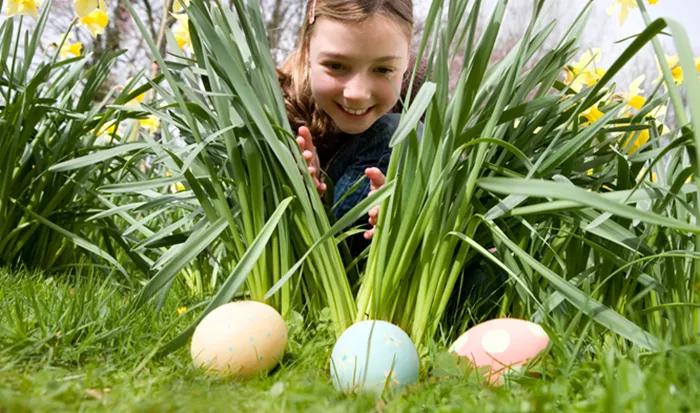
Easter is a joyful holiday celebrated by many families around the world. One of the most popular traditions is the Easter egg hunt. Children and sometimes adults search for hidden eggs filled with surprises. A key question many parents and organizers ask is: what do I put in Easter eggs for hunting? The right fillings can make the hunt exciting, safe, and memorable. In this article, we will explore a wide range of options for Easter egg fillings, considering different age groups, dietary needs, and creativity.
Traditional Candy Fillings
The most common choice for Easter eggs is candy. Candy is colorful, sweet, and easy to place inside plastic eggs. Popular options include:
Chocolate
Mini chocolate bars, chocolate coins, or chocolate eggs are always favorites. They can be wrapped individually for hygiene and freshness. Chocolate is especially popular for children.
Gummies
Gummy bears, gummy worms, and other fruit-shaped gummies are fun and chewy. They come in bright colors and can make the hunt more visually appealing.
Jelly Beans
Jelly beans are small and perfect for filling eggs. They come in a variety of flavors, from sweet to sour, and are easy to portion.
Healthy Alternatives
Not everyone enjoys sugary treats, so healthy fillings are a great option. Parents often seek alternatives to sugar-heavy candy. Consider these options:
Fruits
Small dried fruits like raisins, cranberries, or apricots fit easily into plastic eggs. You can also use fresh fruits like grapes or blueberries if the eggs are found quickly after hiding.
Nuts
Almonds, cashews, or peanuts are nutritious and can provide energy during the hunt. Be sure to consider allergies before adding nuts.
Snack Packs
Mini packs of crackers, cheese cubes, or granola can be used for older children or adult hunts. These are practical and tasty.
Small Toys and Trinkets
Toys are a fun alternative or complement to candy. They make the hunt exciting and provide lasting enjoyment. Some examples include:
Stickers
Stickers come in many themes, from animals to superheroes. They are easy to roll and place inside eggs.
Mini Figures
Small plastic animals, action figures, or dolls are perfect for filling eggs. They encourage imaginative play after the hunt.
Temporary Tattoos
Temporary tattoos are safe and fun for children. They can feature festive designs or popular characters.
Educational Fillings
For families who want to combine fun with learning, educational items are excellent. They make the hunt both entertaining and beneficial:
Puzzle Pieces
Place one piece of a small puzzle in each egg. Once all eggs are found, the child can assemble the puzzle for an added surprise.
Flashcards
Mini flashcards with letters, numbers, or simple words can be used for older children. This encourages learning while playing.
Math or Trivia Challenges
Write simple questions or challenges on small pieces of paper and place them inside the eggs. This can be a fun way to encourage problem-solving skills.
Creative and Unique Fillings
Sometimes you want to go beyond candy and toys. Creative fillings can make your Easter egg hunt truly memorable. Consider these options:
Mini Art Supplies
Small crayons, colored pencils, or miniature paint sets are excellent for young artists. They encourage creativity after the hunt.
Jewelry or Accessories
Beaded bracelets, rings, or hair clips can be placed in eggs for older children or teens. These small treasures make the hunt exciting.
Coins or Money
Placing small coins or folded bills in eggs can make the hunt feel special and rewarding for children. Ensure safety with age-appropriate coins.
Seasonal or Themed Fillings
You can match the fillings with the theme of your Easter celebration. Themed eggs make the hunt more cohesive and visually appealing:
Animal-Themed Fillings
Use small farm animal figures, stickers, or animal-shaped candies. This is perfect for young children fascinated by animals.
Spring-Themed Fillings
Fill eggs with items representing spring, such as flower seeds, miniature watering cans, or butterfly stickers.
Religious-Themed Fillings
For families celebrating the religious aspect of Easter, small crosses, Bible verse cards, or faith-based stickers can be meaningful.
Considerations for Age Groups
When choosing Easter egg fillings, consider the age of participants. Age-appropriate options ensure safety and enjoyment:
Toddlers
Use soft, large items like fruit snacks, chunky toys, or stickers. Avoid small items that could be a choking hazard.
Young Children (Ages 3-7)
Candy, small toys, stickers, or temporary tattoos are ideal. Bright colors and recognizable characters make the hunt more fun.
Older Children (Ages 8-12)
Consider puzzle pieces, coins, small gadgets, or craft supplies. These items challenge their curiosity and creativity.
Teens and Adults
Include gift cards, small gadgets, jewelry, or novelty items. This keeps the hunt interesting for all ages.
Safety and Practical Tips
Safety is important when filling Easter eggs. Keep these tips in mind:
Check for Allergies
Ask parents about allergies before using candy or nuts. Consider sugar-free or allergen-free options if necessary.
Use Non-Toxic Materials
If using small toys, crayons, or paint, ensure they are non-toxic and safe for children.
Balance Size and Fillings
Eggs should be easy to open and not overstuffed. Small, lightweight items work best for hiding.
Mix It Up
Use a combination of candy, toys, and educational items to make the hunt exciting and varied.
Conclusion
Choosing what to put in Easter eggs for hunting requires creativity, thoughtfulness, and planning. From traditional candy to healthy snacks, toys, educational items, and themed surprises, there are endless possibilities. Consider the age of participants, safety concerns, and the overall goal of the hunt. A well-prepared Easter egg hunt creates joyful memories, encourages exploration, and brings families together. By carefully selecting fillings, you can ensure that your Easter celebration is fun, safe, and unforgettable.
Related topics: