
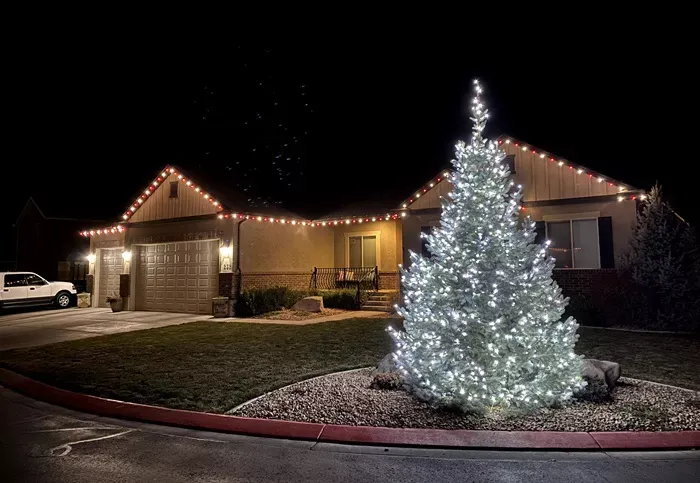
The holiday season brings a vibrant display of lights to homes and public spaces around the world. Christmas lights, in particular, have become a symbol of festive cheer and celebration. However, many wonder: How long do Christmas lights actually last? This article explores the factors affecting their lifespan, the differences between types of lights, and tips to maximize their longevity.
Understanding Christmas Lights
Christmas lights are available in various styles, including incandescent and LED varieties. Incandescent lights have been used for decades and are known for their warm glow. LED lights are a more recent innovation, offering brighter colors and greater energy efficiency. The type of bulb significantly influences how long the lights will last.
Lifespan of Incandescent Christmas Lights
Incandescent Christmas lights generally have a shorter lifespan compared to LEDs. On average, these bulbs last between 1,000 and 2,000 hours of use. If used for several hours each day during the holiday season, they may only last for a few years before needing replacement. Factors such as voltage fluctuations and exposure to moisture can further shorten their usable life.
Lifespan of LED Christmas Lights
LED Christmas lights are designed to last much longer than traditional incandescent bulbs. Most LED strands can operate for 25,000 to 50,000 hours under ideal conditions. This means they can be reused for many seasons without significant dimming or failure. LEDs also generate less heat, which reduces the risk of damage from overheating.
Factors Affecting Longevity
The durability of Christmas lights depends on several key factors:
- Quality of Manufacture: High-quality lights from reputable brands tend to last longer due to better materials and construction.
- Usage Patterns: Lights used continuously or exposed to harsh conditions may fail sooner than those used sparingly.
- Environmental Exposure: Outdoor lights face more challenges such as rain, snow, and temperature changes, which can reduce their lifespan.
- Storage: Proper storage after the holiday season helps prevent damage to wires and bulbs.
- Power Source: Using stable power sources and surge protectors helps prevent electrical damage.
Maintenance Tips for Longer Life
To maximize the lifespan of your Christmas lights, consider these maintenance practices:
- Inspect strands for broken or missing bulbs before use.
- Avoid overloading electrical outlets with too many light strands.
- Store lights in cool, dry places during the off-season.
- Use outdoor-rated lights for exterior decorations.
- Replace damaged wires or sockets promptly.
Signs That Lights Need Replacement
Even with careful maintenance, Christmas lights will eventually wear out. Common signs that it is time to replace them include:
- Flickering or dim bulbs that do not respond to replacements.
- Frayed wires or cracked insulation on the strands.
- Burnt-out sections that cannot be repaired easily.
- Persistent electrical issues such as tripped breakers or blown fuses when in use.
Environmental Impact and Disposal
When replacing old Christmas lights, consider their environmental impact. Many communities offer recycling programs for light strings to reduce waste. LEDs are more environmentally friendly due to their longer lifespan and lower energy consumption. Proper disposal ensures that harmful materials do not end up in landfills.
Cost Considerations
While LED lights may cost more upfront than incandescent varieties, their longer life and lower energy usage often result in overall savings. Homeowners may find that investing in quality LED strands reduces replacement costs over time.
Conclusion
How long do Christmas lights last? The answer depends on the type of light, usage habits, and care taken during storage and operation. Incandescent bulbs typically last a few years while LED varieties can illuminate your holidays for a decade or more. By choosing high-quality products and following maintenance best practices, you can enjoy bright and cheerful decorations season after season.
Related topics: