
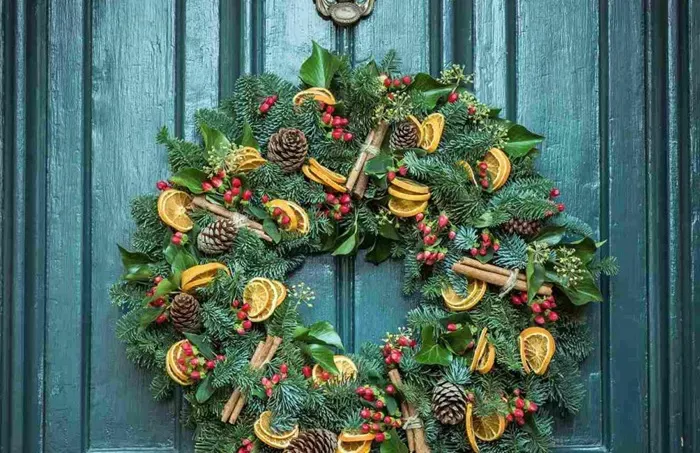
The Christmas wreath is a familiar sight during the festive season. Hung on doors, displayed above fireplaces, or used as table centerpieces, wreaths have become an enduring symbol of Christmas. But when did this tradition begin? Understanding the origins of the Christmas wreath provides insight into its cultural and spiritual significance, showing how a simple arrangement of greenery became a universal sign of holiday cheer.
Ancient Roots: Pre-Christian Wreaths
Wreaths have been used since ancient times, long before the celebration of Christmas. In ancient Greece and Rome, wreaths made of laurel or olive branches were worn as crowns by victors in athletic competitions or given to honored individuals. These circles symbolized victory, eternity, and honor. The shape itself—a continuous loop—represented life’s unending cycle. Over time, the practice spread across Europe, with various cultures incorporating wreaths into rituals and celebrations.
Advent Wreaths: The Christian Connection
The direct connection between wreaths and Christmas began with the Christian tradition of the Advent wreath. This custom started in Germany in the 16th century. Christians constructed circles of evergreen branches to mark the four weeks leading up to Christmas. Candles were placed around the wreath—each candle representing one week of Advent. The evergreens symbolized everlasting life and hope, while the circular shape reminded believers of God’s infinite love.
By the 19th century, the Advent wreath had become popular in Lutheran churches and homes throughout Germany. It gradually spread to other denominations and countries, including America, where it became part of many families’ holiday traditions.
Victorian Era: Wreaths as Decor
The use of wreaths as decorative items gained momentum during the Victorian era in England. As Christmas celebrations became more elaborate, people began adorning their homes with greenery, ribbons, and ornaments. Wreaths made from holly, pinecones, and berries appeared on doors and mantels as symbols of hospitality and goodwill.
Queen Victoria’s reign marked a period when many modern Christmas customs took shape—including sending cards, decorating trees, and displaying wreaths. Magazines from the late 1800s show illustrations of festive homes featuring large green wreaths, confirming their status as a seasonal must-have.
Modern-Day Wreaths: A Global Tradition
Today, Christmas wreaths are crafted from a wide variety of materials—pine branches, artificial greenery, flowers, ribbons, and lights. While their designs may vary by region or personal taste, their meaning remains rooted in tradition: they welcome guests and announce the spirit of celebration.
In some cultures, wreaths are placed on graves or memorial sites during Christmas to honor loved ones who have passed away. In others, they are part of public displays or community events that bring people together to celebrate.
Symbolism Behind the Wreath
The symbolism behind Christmas wreaths has evolved but remains powerful. The circular shape signifies eternity—without beginning or end—mirroring beliefs about eternal life or unending love. Evergreens stand for hope through winter’s darkness; red berries often represent Christ’s sacrifice; pinecones symbolize renewal.
For many families, crafting or hanging a Christmas wreath is an annual ritual that marks the start of the festive season. Whether made by hand or bought from a store, these decorations carry centuries-old meanings into modern celebrations.
Conclusion
While wreaths have ancient origins dating back to Greece and Rome, their association with Christmas began in 16th-century Germany through Advent traditions. Over centuries, they evolved from religious symbols to decorative icons found around the world during the holiday season. The enduring appeal of Christmas wreaths lies in their ability to connect past customs with present-day celebrations—reminding us each year of hope, unity, and everlasting joy.
Related topics: